On Seeing Modigliani at Tate Modern

Bad stone sculpture.  By what criteria are these considered not just good but great? If they had been arrived at after a long exploratory study of the female head and neck then they might be of passing interest.  However they are fine examples of a painters understanding of 3D form. Detail stuck on flatness. This is not arrival at or inclusion of the  primitive or the addition of mask to classical but basic failure of technique or understanding of anatomy forcing form. Something I deal with  when students attempt to carve or model the human head. So he tries to find movement in approaching the block from the corner or edge or by extending the length or height resulting in a kind of cod Easter island cliché. Style over content and no real form at all. No intent. Just absence of ability.

After the movement and tension of the Caryatid drawings the rest of the exhibition shows, to me, a lack of any technical ability or adventure, demonstrated by the lengths he goes to to avoid painting or drawing hands and feet, which results in curtailment and incompletion with some figures feet cut off by the frame like bad photographs- all energy bleeding out into nothingness. Where he does attempt feet and hands they’re weird and sausage like, self conscious and embarrassed. Love the eyes. Like the cylindrical necks. Interesting pallet. But where’s the fervour, energy, direction, experimentation of the world in which he was living?  A caricaturist and illustrator.

LOOK AGAIN

A ferocious Modernist mind unencumbered by academy protocols and deliberately adrift from classicism and the strictures of anatomical accuracy. Paintings about paint and sculptures about stone, and both about his own psychological involvement in the process and with the subject matter as represented by the blind but seeing eyes. The deceptively playful colours, long necks and reptilian eyes serve to expose humanity as viewed by the artist. We are seeing the subjects not through the artists eyes but from inside the artists mind.

On seeing Rachel Whiteread

the casts of the beehive undersides of chairs is beautiful and some how evocative of my childhood – translucent colours of exotic soaps or perspex skateboard decks and wheels full of trapped light – desperate to touch them but the non-touching is a type of touching.

But once in I spent very little time in front of each piece. I marvelled at the craftpersonship of the casts of course and at the technical audacity and ambition. I think the sheer density of the effect of the holocaust memorial is overwhelming. The demolished house cast joyous, magnificent and tender.

But mattresses and hot water bottles whilst fun are less demanding of my time and i find myself outside after 10 minutes thinking that she needed to diversify somehow.

The idea of flipping void and solid, representing space as object

Rob Smith Lecture

Screwing up the map  and chucking it i then had to include that map in the next map and the those in the next and so on. This suggested a third space  and voice as the map simplified and transferred its attention away from the furniture and towards a concept.

The 2 dimensions to screwed up 3d, back to 2, drawn onto,image tracing creases, is a useful way of visualising our place in the world and its place in us. Lines, sets, subsets, mesh.

Im interested in non-linear, non-dialectic possibilities at least as a mind game (eg in eternity everything occurs simultaneously? etc) and the screwed up ball is a useful symbol of this.

Just finished reading Dr Faustus (Thomas Mann), that has at its core a nasty case of toxoplasmosis, as metaphor for the creative process, where the Faust character is driven by his unconscious to contract syphilis which lends him the mad genius to compose extraordinary music, but at a terrible price.

Robs lecture was very good. His mad lime based art works smacked of Professor Brainstorm does Royal Academy Xmas Lecture.

His leaking pinhole camera photographing the instant water mixed with light makes contact with photo paper is wondrous. Like recording the moment electricity leaps across a synapse to contact the other side

Contextual Research: Plinth

Plinth as altar for art object as sacrificial offering to be carved up by viewers

Plinth as dais for objects to be approached and worshipped in awe and wonder

Plinth as symbol of the act of generosity and emergence

Plinth for status, statue, standing

Plinth as soap box

Plinth as pulpit

Plinth to personify, lend identity, anthropomorphise

Plinth to raise object to convenient height to encourage interaction and motion

Plinth as obstacle

Plinth to involve, include

Plinth to ‘denigrate, ridicule, exclude’ (A. Rogers)

Plinth absented to involve, include (Gormsley)

Plinth as instrument to transform, elevate object into art

Plinth as art object (Brancusi’s Endless Column umbilically supporting sky from earth or earth from sky)

Plinth as masculine, penetrative symbol of power and control

Plinth as tool for negotiation

Plinth holding up object

Plinth transferring load to ground

Plinth as tabula rasa (4th Plinth Project co-opted as advertising platform for London)

Plinth left empty by torn down statues, awaiting the next tyrant, symbol of the repeated failure of utopian revolution

Plinth as stage

Plinth as sculpture

Plinth as subject of research


Making day

Worked at home in basement.

Strong coffee.

Had to go out into the cold wet morning to buy pegs.

Then up and down stairs with various sculptures.

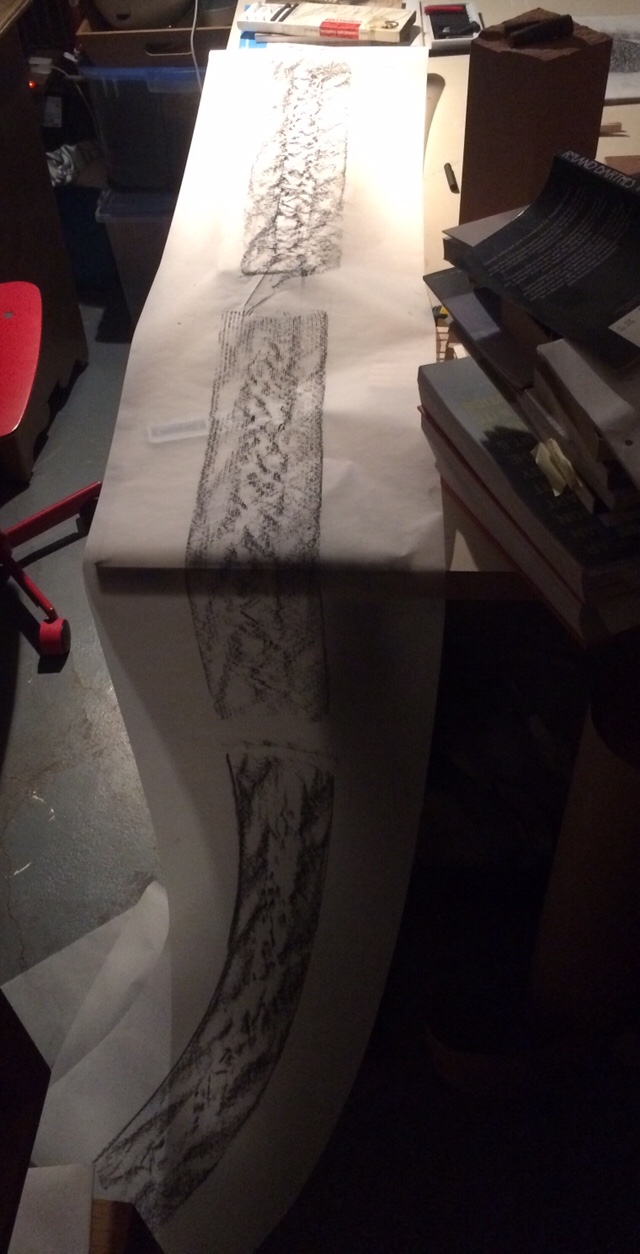
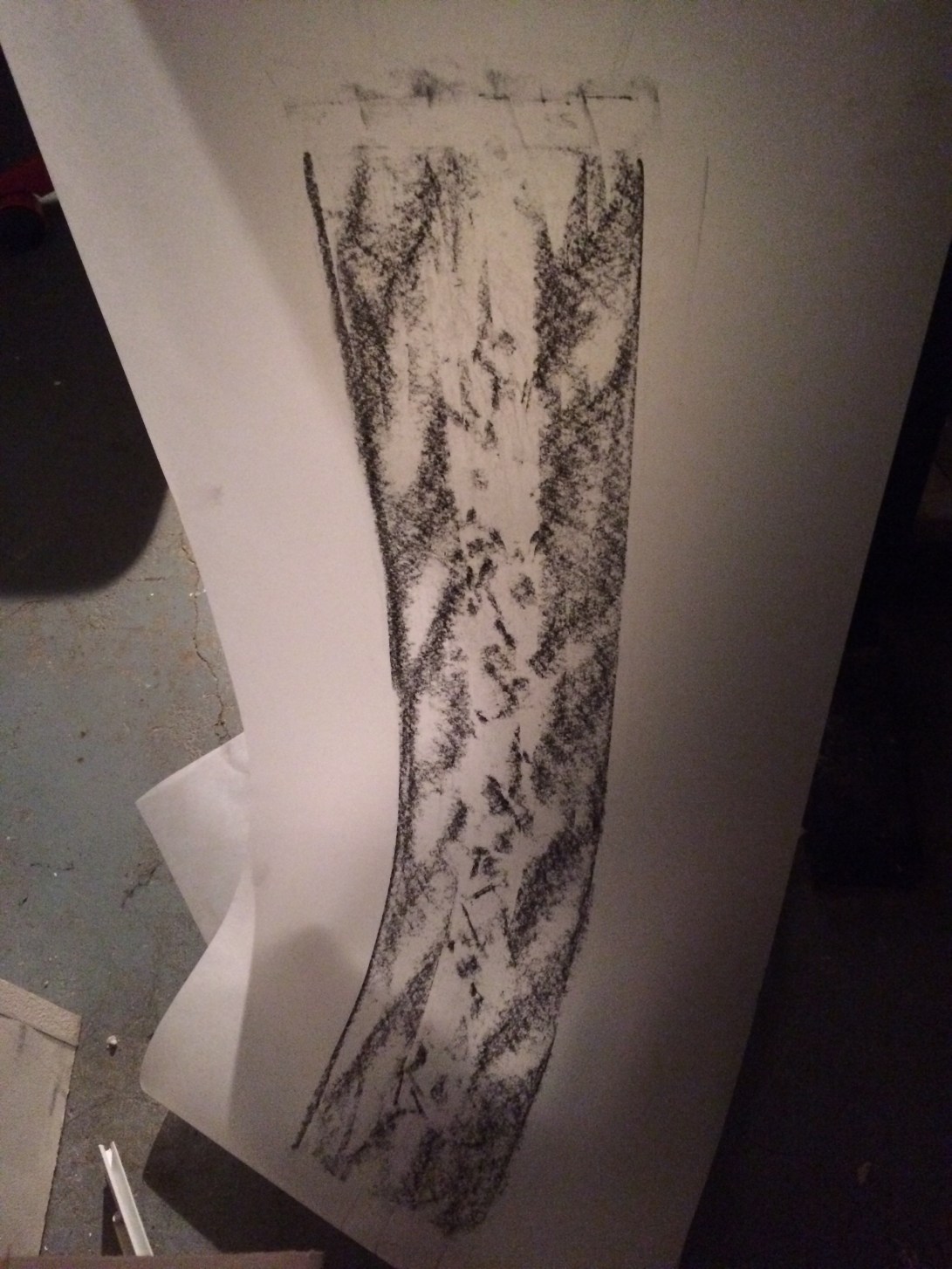
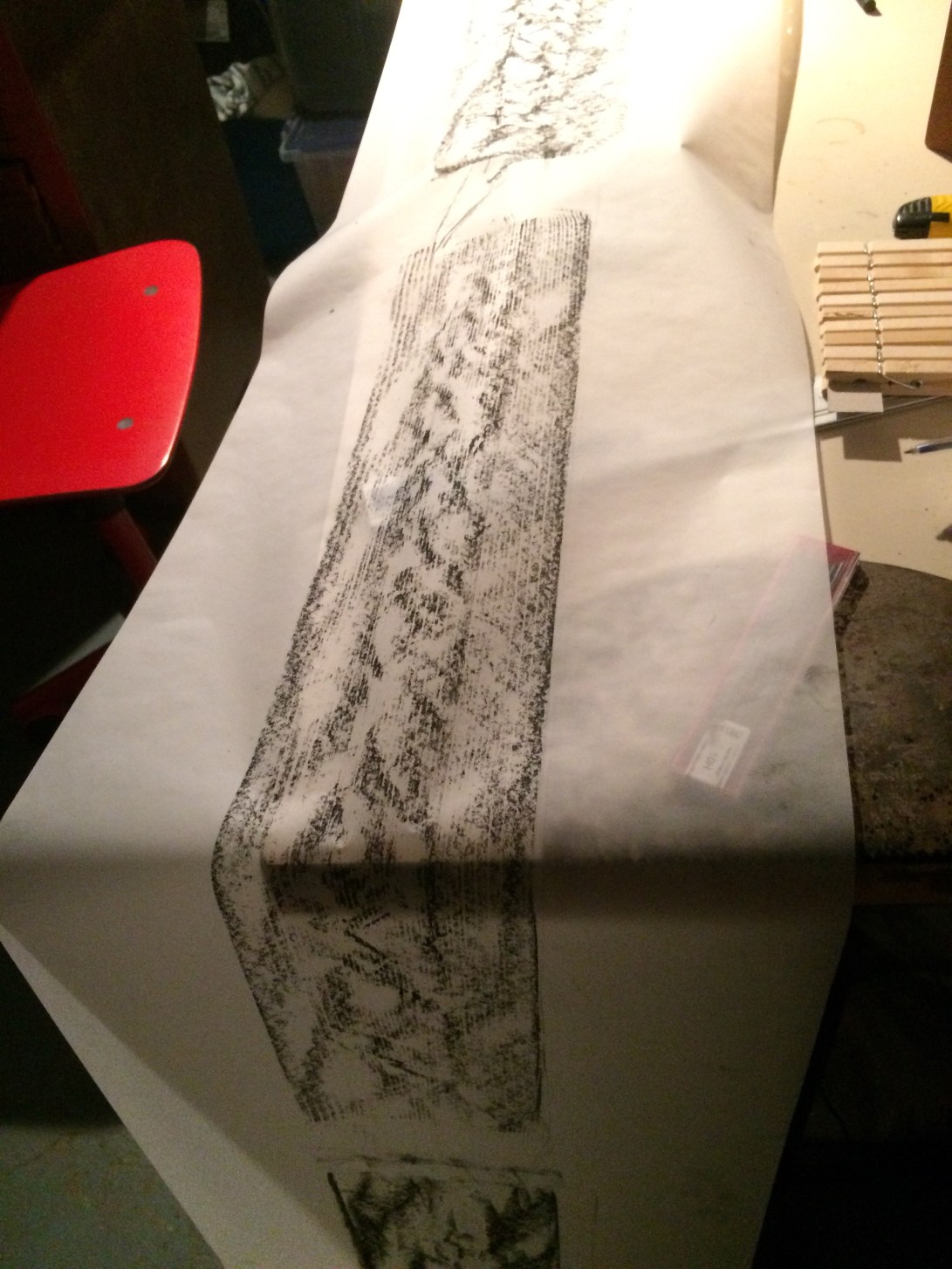
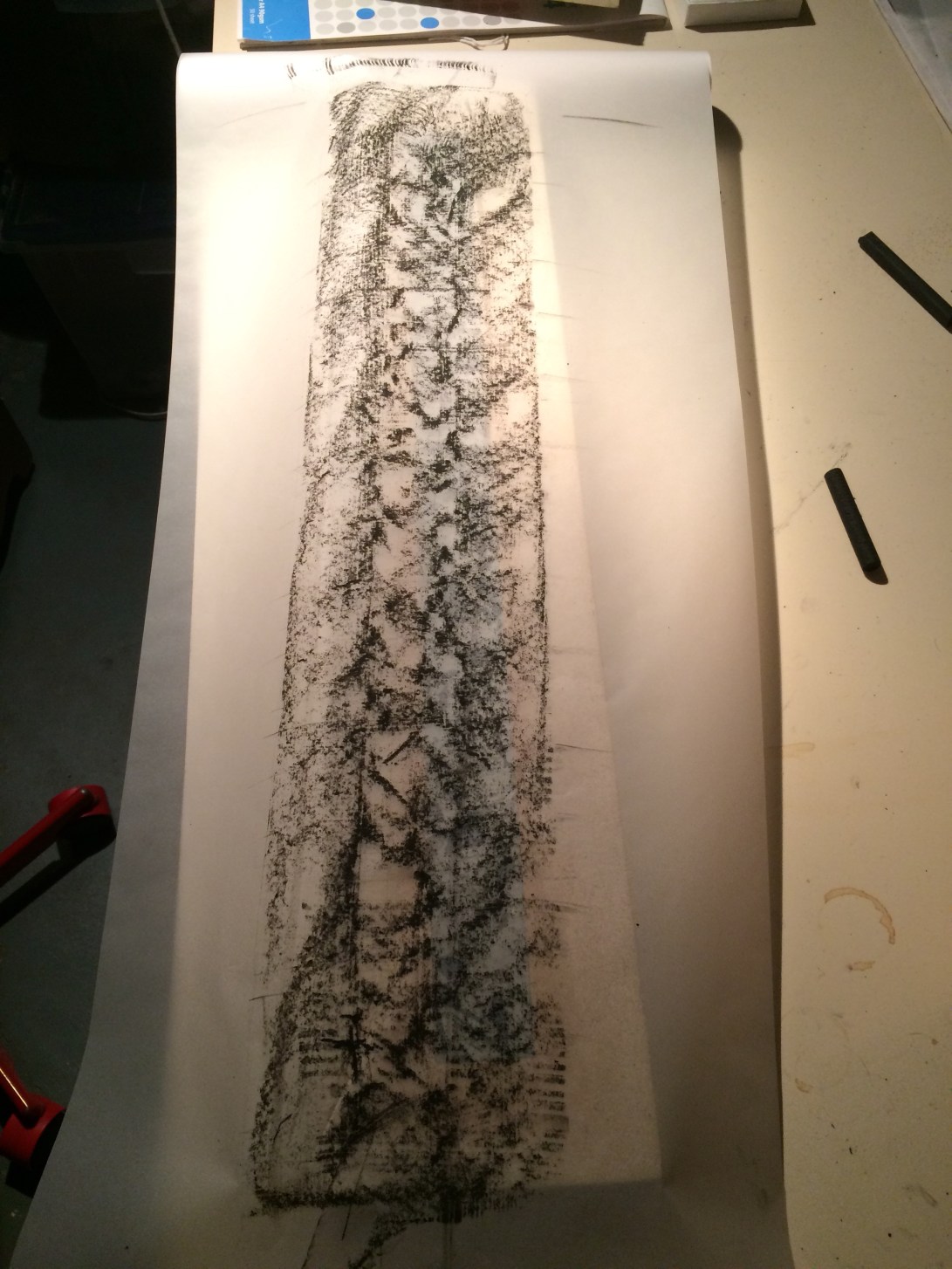
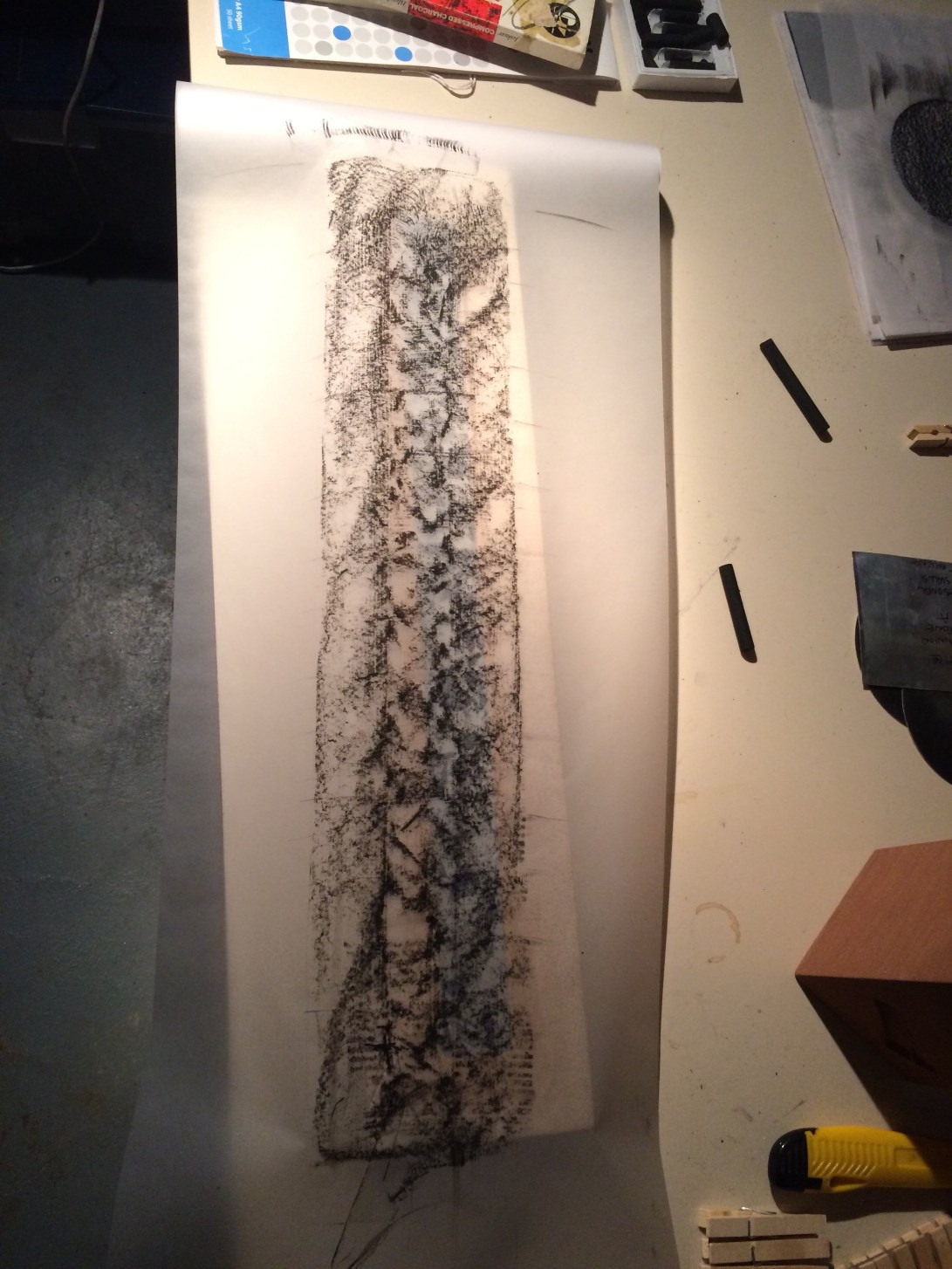
Tracing and rubbing each side with black oil pastel, sometimes carved into for texture and as a gesture to carved stone, onto 50gsm paper that has a lovely texture and sound.

Child-like sense of excitement.

Pleased with results. X-rays.

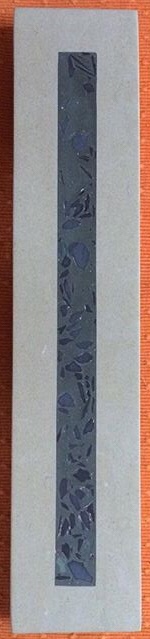
I’ve been making plinths For Found Objects.

They’re about how the unconscious and conscious communicate. I carve and sandblast the stone to create a stage for the story.

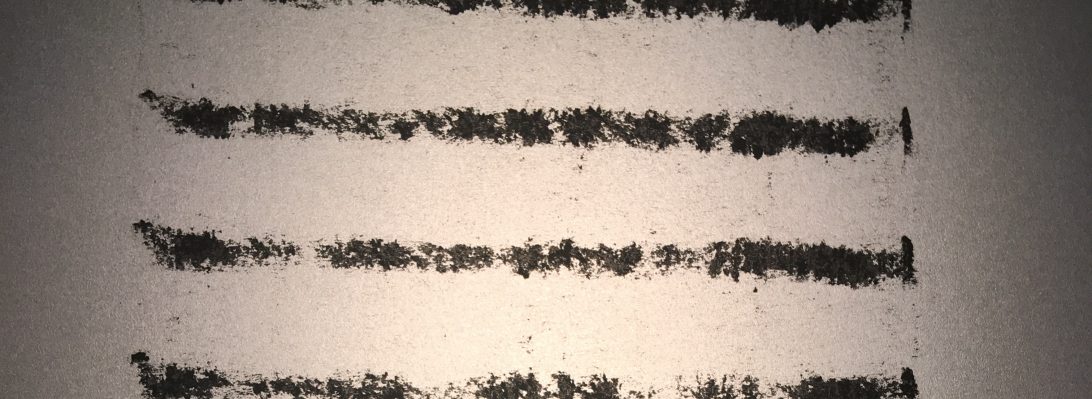
These drawings are a parody of scientific methodology searching for large and small objects as tho they might contain meaning.

They’re a parody of my own search for meaning.

They’re a comment on the impenetrability of contemporary art and its language and on the ‘scientificisation’ (necessarily ugly word) of art, how we are required to support our work with data, methodology and evidence.

They’re a rejection of making drawing for sculpture, instead making sculpture for drawing.

A probing of cause and effect, with plinth, drawing, sculpture and object all sharing equal and holistic status.


Research

Im struggling with trying to come up with an area for my research essay/project.

I think its to do with the fact that my interests, what I make art about, are internal, rarely external.

Therefore I think i need to find an external subject to challenge myself.

Im aware that my practice is self-indulgent. Im aware that art is being kept alive, relevant and valid by artists that work in the political realm (small ‘p’ political)

eg yesterday I streamed a symposium #workingacrossdivides

with Alisdair Hudson (Middlesboro Institute of Modern art) and Barby Asante (artist) at the Goethe Institute

where a whole other world (real world) of art practice was described that takes place within communities, enabling marginalised people through art.

It makes me feel old fashioned and stuckist. However I am 52 and on my own journey and I am constantly challenging myself.

However here is an opportunity to research unfamiliar territory.

The plinth and the hierarchy of art presentation? (reflecting my current explorations)

Hamada pottery? (gesture, the unconscious, alchemy, art object)

Is all art (including political) illustration? When is art not illustration? (eg when it describes, explains or reflects it is illustration so all pre-religious art, religious art and much of modern art is illustration. Discuss)

How have artists sought to address antagonistic political movements? (thinking of the failure of humour and head-on resistance art to the rise of Neo-Populism in US and here) (quite like this one).

Id love to come up with an idiosyncratic Cabinet style area that is ‘alive, relevant and valid’.

Looking at Barbaras proposals im quite awed and intimidated!


Plinths For Found Objects

I found these objects in stone that I tore apart, destroyed, replaced. These are salvage. I have polished their feet and found them a new home. On one level. A sort of anthropomorphic explanation. What really explains the history of this journey? Only the interplay of unconscious and conscious states. Despite being entirely unconnected in the material world, the male torso-like object fits inside the female objects.