


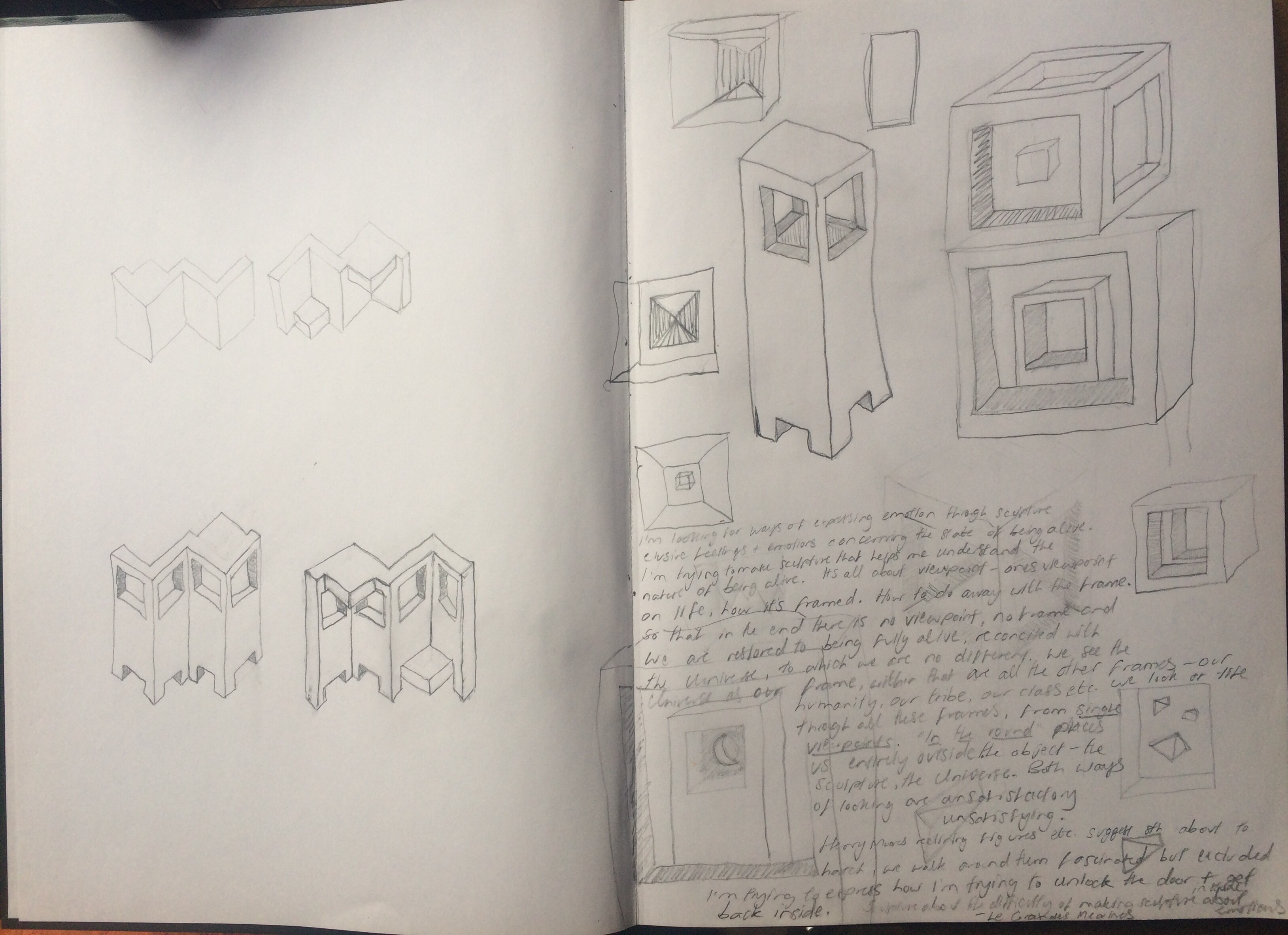
photos taken on recent trip to Kathmandu linked by openings, cubes, windows …
related to how the Conscious and Unconscious are connected and how information flows constantly between the two.


![FullSizeRender[1]](https://i0.wp.com/jonwhitbreadblog.com/wp-content/uploads/2017/04/fullsizerender1.jpg?w=352&h=352&crop=1&ssl=1 "FullSizeRender[1]")

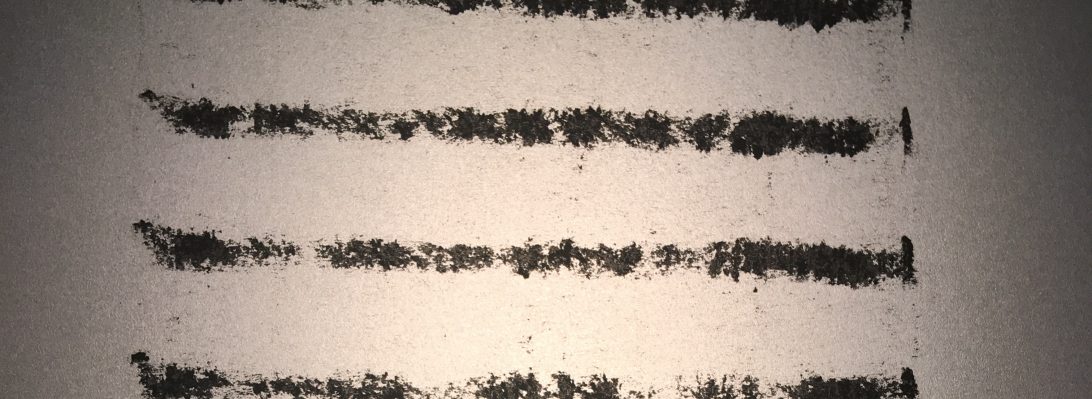
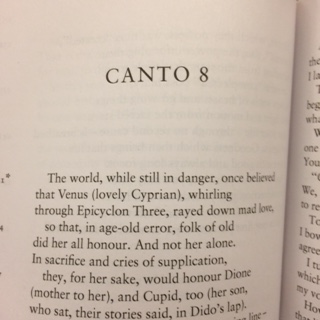
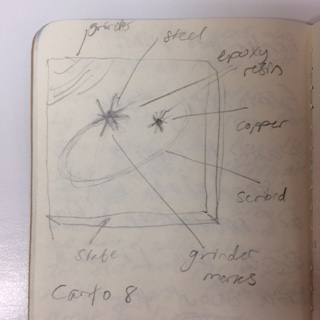
Reading Dante (see bibliography) on the tube. See interesting marks on station platform. Sketch idea
for wall hung sculpture in slate.
Popped into Damian Hirsts Newport St Gallery to see the Gavin Turk show
ttps://newportstreetgallery.com
Interesting space, if a little clichéd – impeccably restored and rejigged industrial building, brick, glass, fantastic triple pitched roof, indoors white paint, white desk, white stairs, white glazed brick, white staff. Grey floor. Restaurant (full of white women who lunch, as my mixed race companion pointed out) and white gift shop. Its all full of natural light. The space is pleasing.We are politely informed of various gallery policies. The atmosphere is informal and relaxed. Theres no hushed worshipful shuffling and whispering. One can get up close to the exhibits. Theres a lot of space.
From upstairs theres a great, galleried view of one of the downstairs spaces rather like the view into an oddly angled squash court. Turks infamous failed MA Blue Plaque looked great from the two different angles.
Gavin Turks work is Art about Art with himself as the Hero and as far as it goes is great fun. Except when he tries to be serious – the black skip and black bin bags are too obvious to be metaphor or symbol or representation (except unintentionally, perhaps as the only black objects amidst all that whiteness, apart from this Pollock pastiche comprised of Turks name painted over and over). Its a walk through the History of Art full of unsubtle nod and wink references to Warhol, Pollock, Duschamps (a car wheel so obvious that I cant even bring myself to play with tired/tyre), etc. Defiantly unprofound.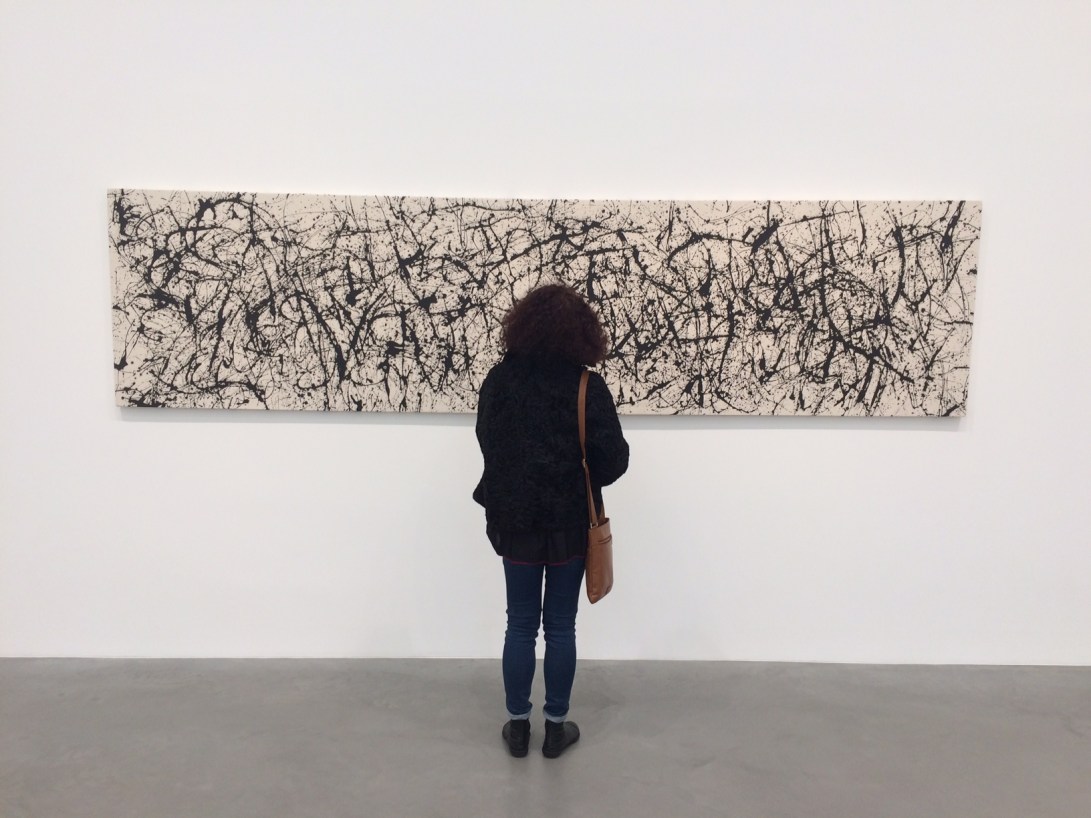
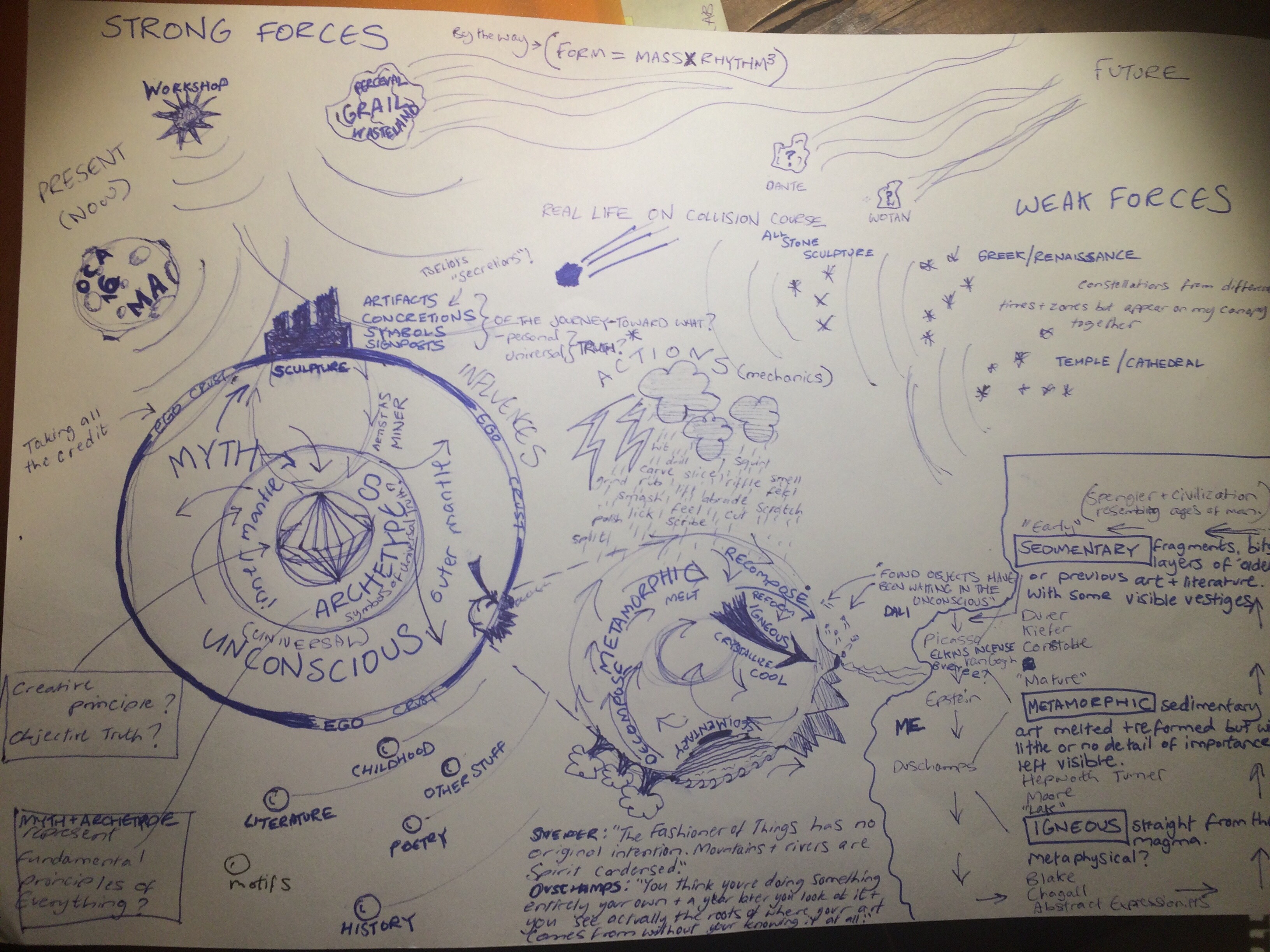
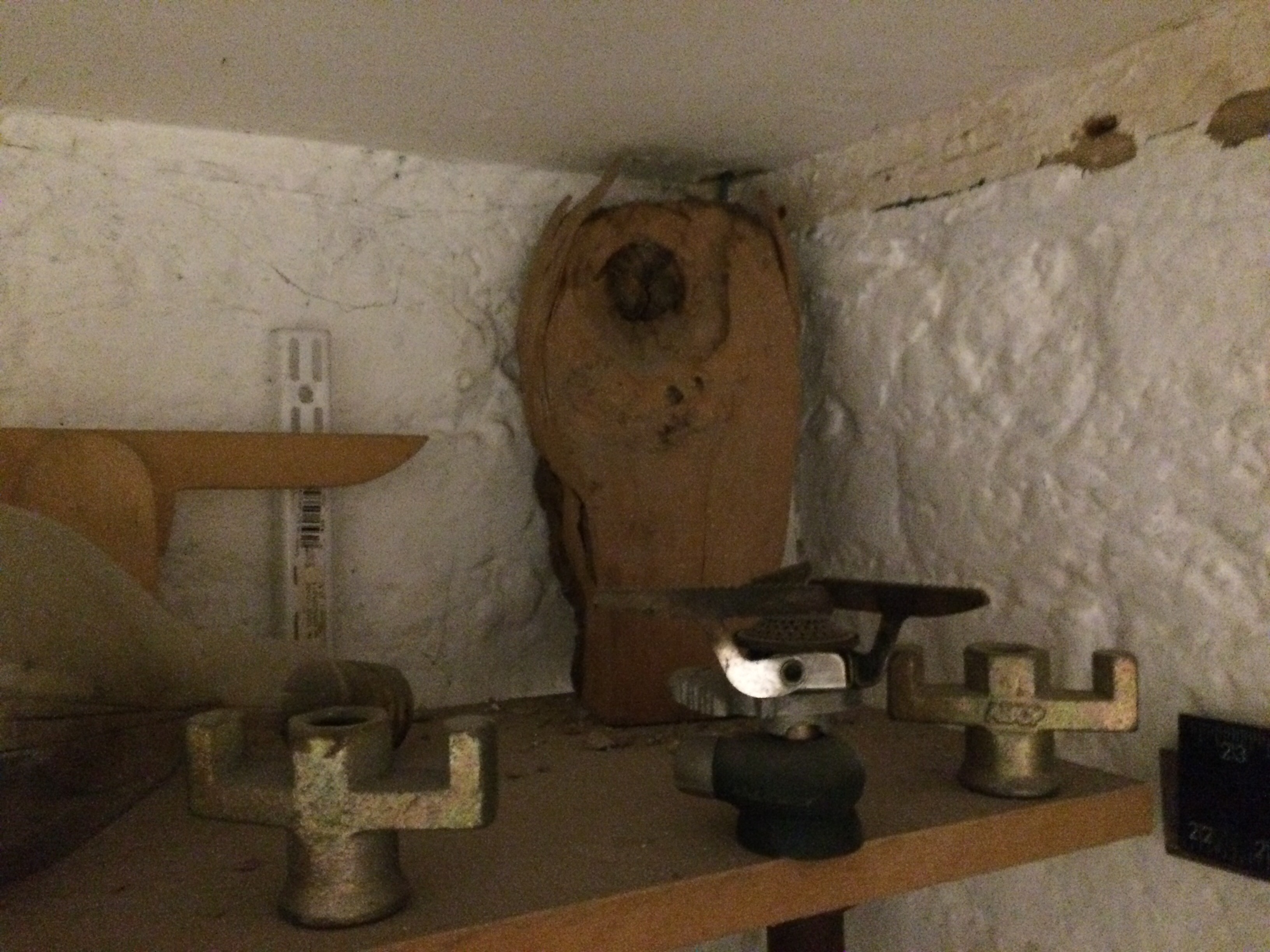
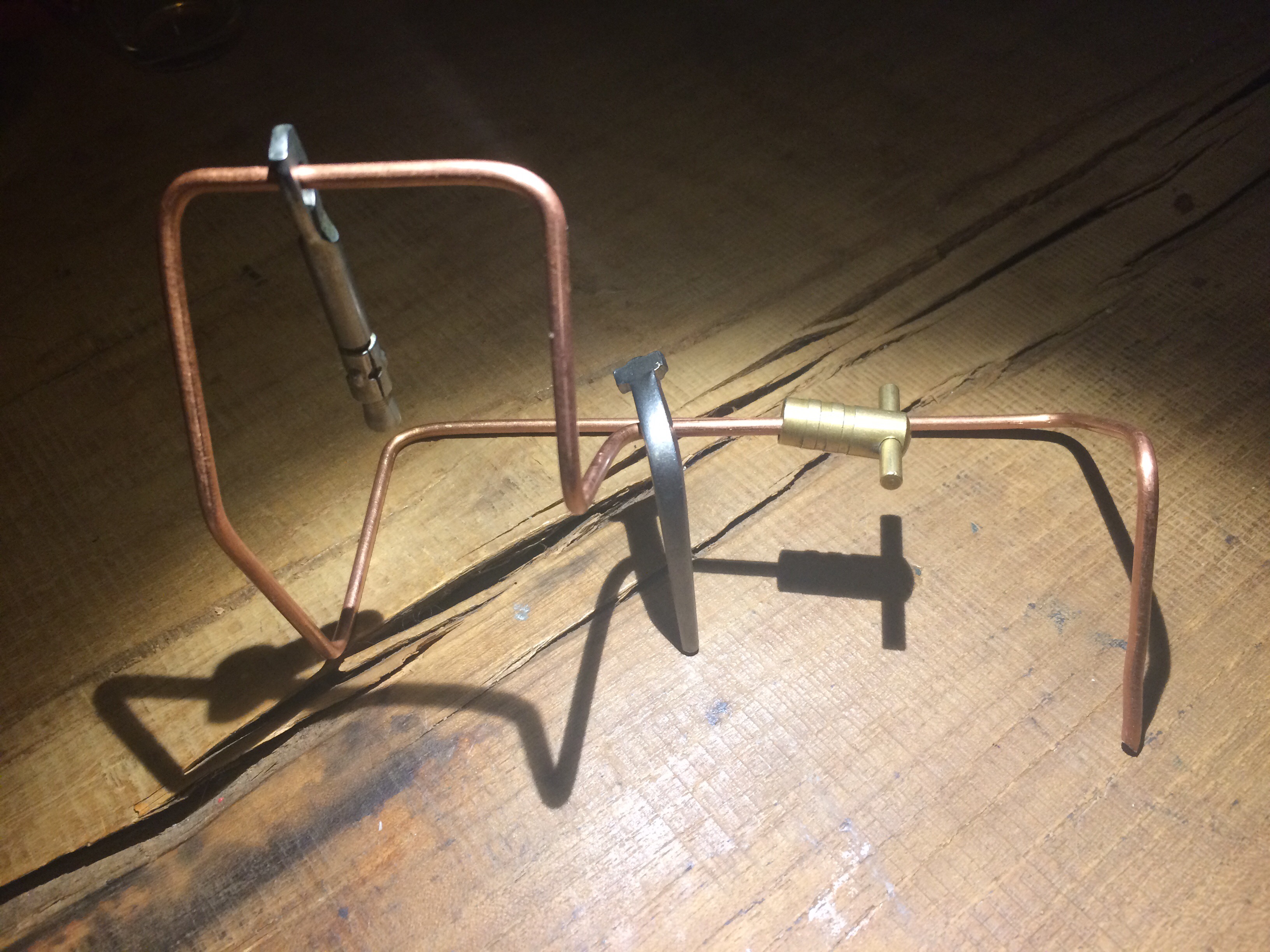
Inspired by Keffords ethic I revisited my neglected collection of artefacts found and acquired and “clumped and clustered” as he put it. During his presentation I also played with some copper wire from work and combined it with what I had been carrying around in my pockets for a while – a radiator key, bent floor board nail and wall fixing Ive used for years as a doorkey thing.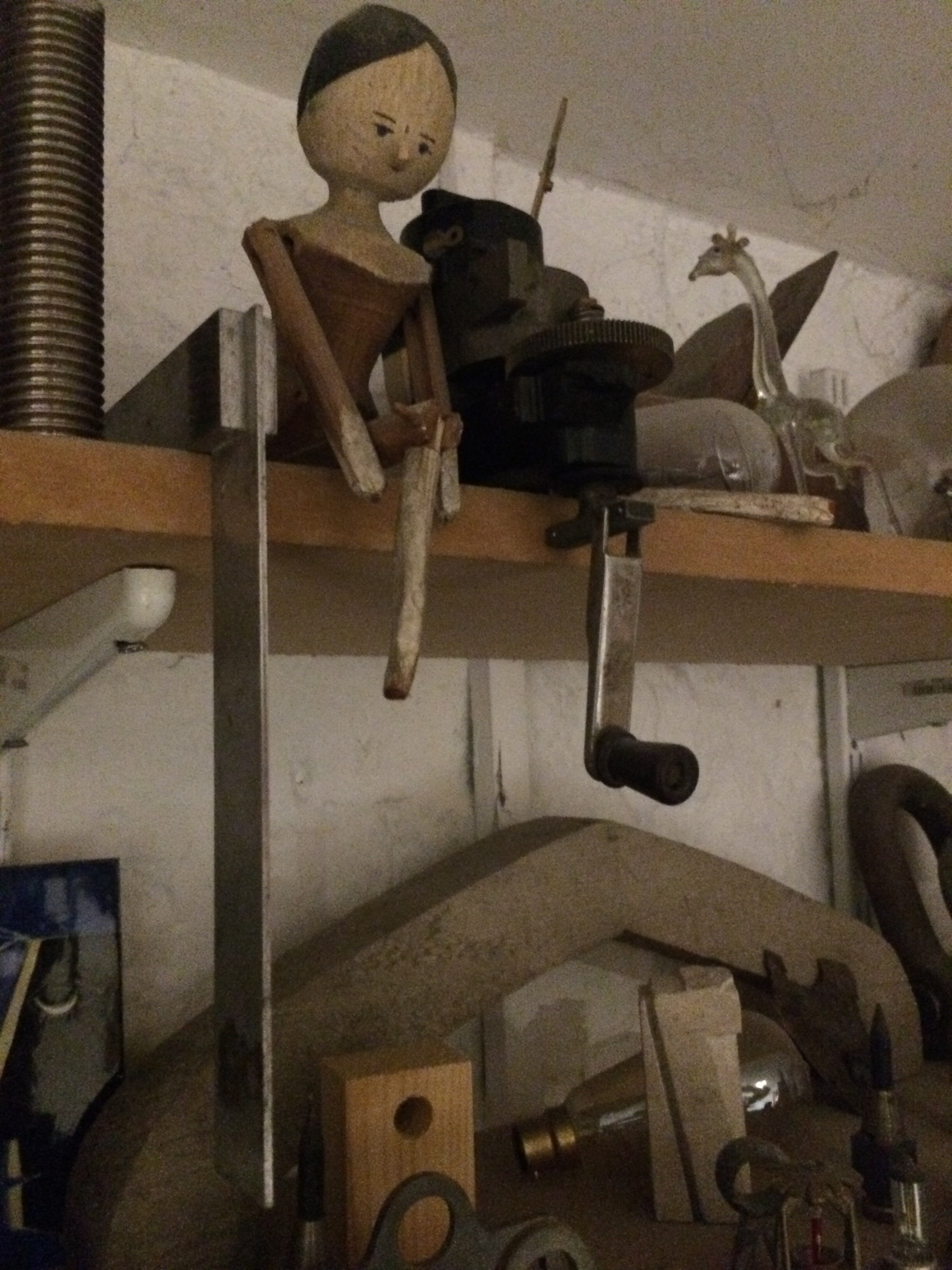
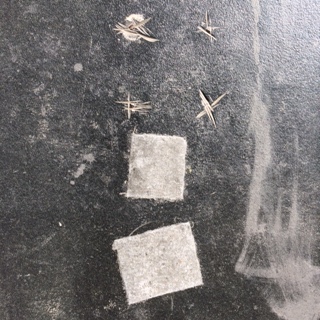
 Then at work in half term making sculpture I took the plunge and started making some mini sculptures using the off cuts of sandstone from a larger piece.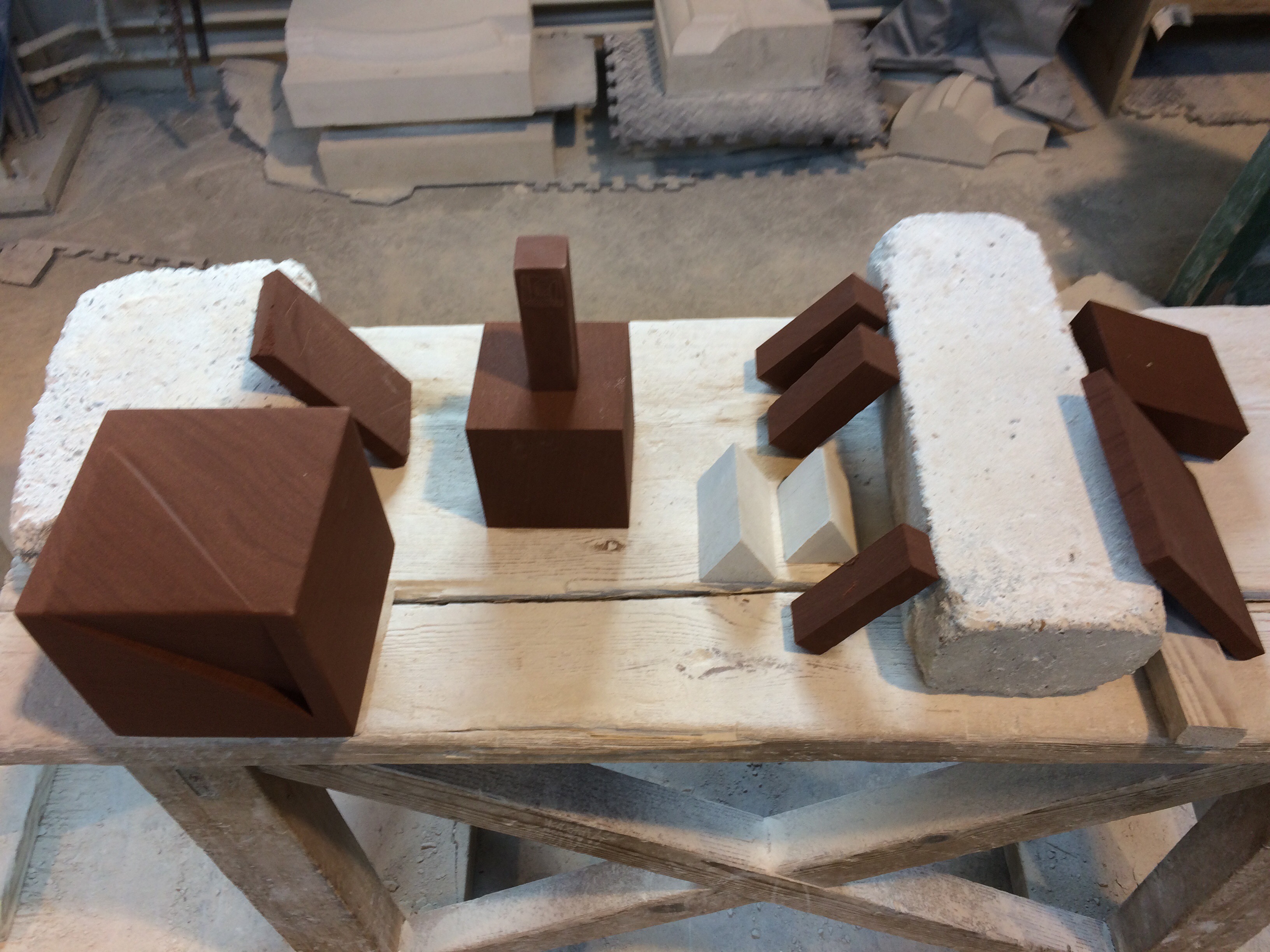
Working without squares and straight-edge!! Hugely liberating! Using a motif Ive used before in a more controlled way – a window in a tower. here a window in a tower in a window. A riff on cliches about finding the form within the block (which i reject as nonsense based on misconceptions). Here playing with the idea of St Valentine and the difficulty of getting to the heart of things etc.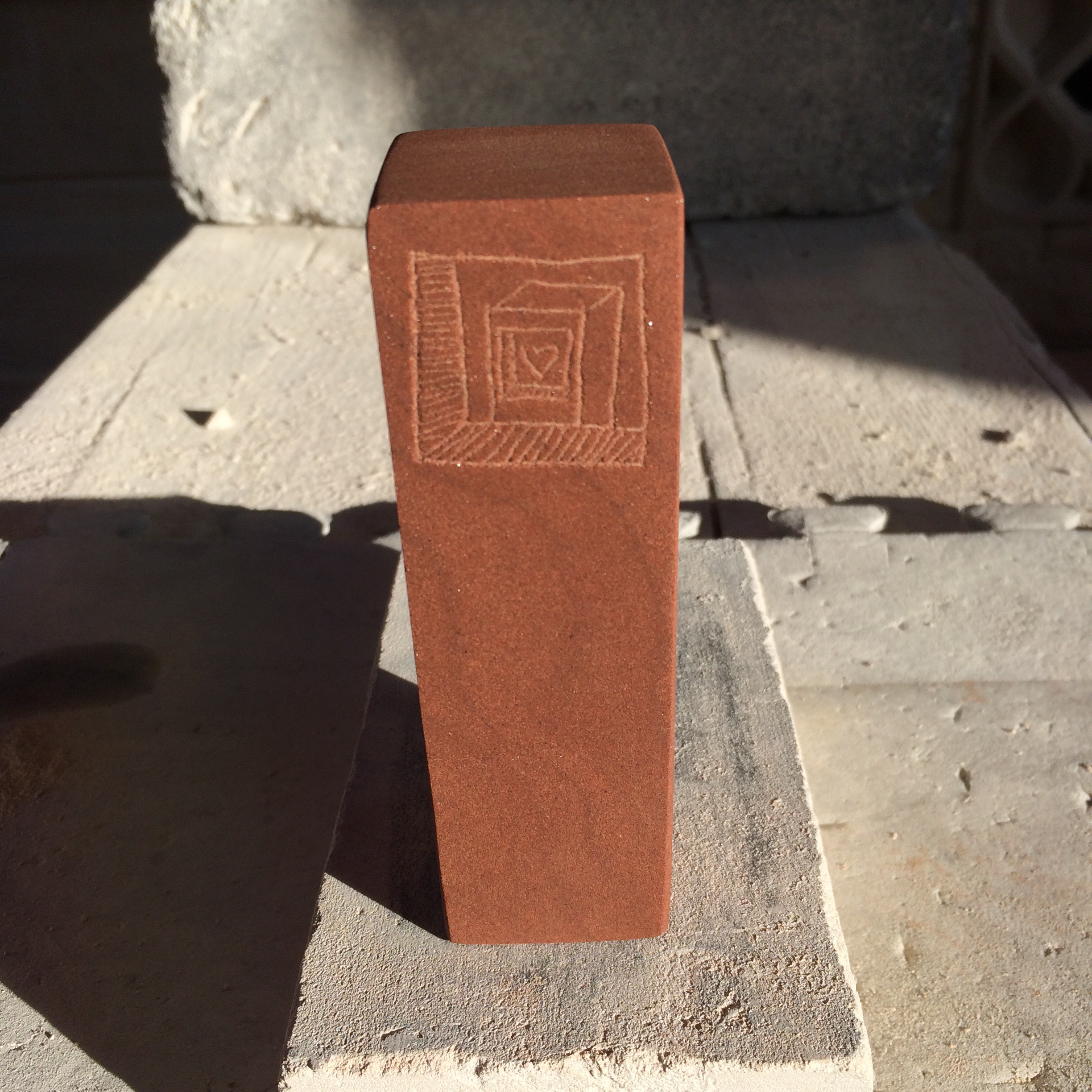 .
.
 JON WHITBREAD ART