Exploratory Project

The start of the Exploratory Project coincided, for me, with the end
of a 3-year project making 15 sculptures influenced by my reading
of The Wasteland by TS Eliot at an earlier stage in my life and the
research I pursued as a consequence, into the Romance tales of
Perceval and their reinterpretation in a Jungian context. The series
concluded with a sub-series based on the Grail, which found my
work becoming increasingly minimal in terms of my intervention,
and I was aware of a growing obsession with the cube and what I
perceived to be the sculptural purity of its form. I became aware
that this was constraining me and that at some point I needed to
free myself up and reintroduce complexity into my work.
As the end of the series approached I began thinking about what
to do next and found myself planning a new series based perhaps
on Dante’s Commedia or an exploration of Germanic myth.
However tutorials on my Professional Practice Plan helped me
realise that I would be further constricting myself at a moment
where I could be freeing myself up. Having a large body of work
that I feel belongs together as part of a narrative limits my ability to
exhibit them in, for example, group or collaborative shows. Also it
makes presenting them to potential clients or Galleries a bigger,
clunkier task where a quick, punchier presentation is more
appropriate.
Lectures by David Kefford and Les Bicknell then followed which
were very helpful in nudging me away from what were becoming
restrictive working practices. Keffords ‘mini-sculptures’ inspired me
to act more quickly and spontaneously, while Bicknells lecture and
then tutorial were so helpful I have printed part of my Tutorial
Report below.
‘We discussed the puzzle-like nature of some of my work and he mentioned
Chillida and how he visualised some of his metal sculptures undoing. I knew
some of his stuff but have looked further and am a little irritated by how much
I like his work. You know that feeling when you see someone’s work and you
think “damn!”. Im very interested in his 2d image making. Inspiring. Thinking
Exploratory Project.
Also very interested in Carl Andre’s strange typed red and black word images.
we touched on how to combine text and sculpture (Text and Texture!! I
neverconnected those two words before!) I hand cut letters but don’t much
enjoy it. Also it’s very niche, trad and craft -y. I will soon have access to a
sand blaster and template cutter which will suit my sculpture more. Hmm.
Possibilities.
Les pointed me towards getting over my “no one understands stone sculpture
and i’m on a mission to change that” gripe. It’s not helpful. In fact I should
embrace and absorb that gap in knowledge and use it. Mystery is Good.
He also suggested making multiples of a piece and working more in clay. It’s
true I’m a bit militant in my direct anti maquette approach. Something to think
about…’ (See Contextual Study essay).
During Keffords lecture (prior to which we were asked to bring
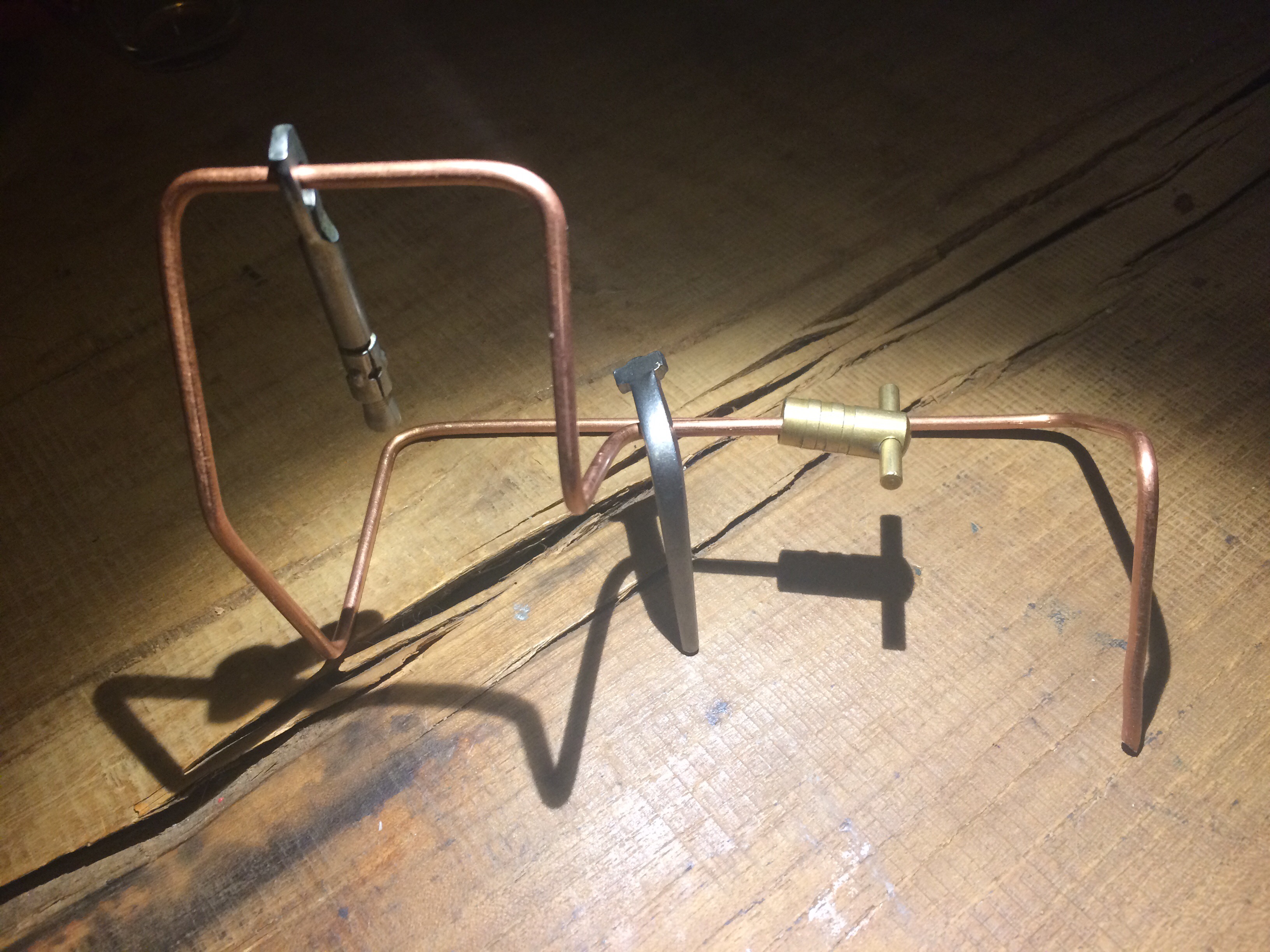
some objects for a sculpture) I bent copper wire to make a frame
for some bits and pieces I had been carrying around. This in itself
required me to take a plunge into the unknown. Assemblage is not
part of my usual practice. I followed this up in the workshop by
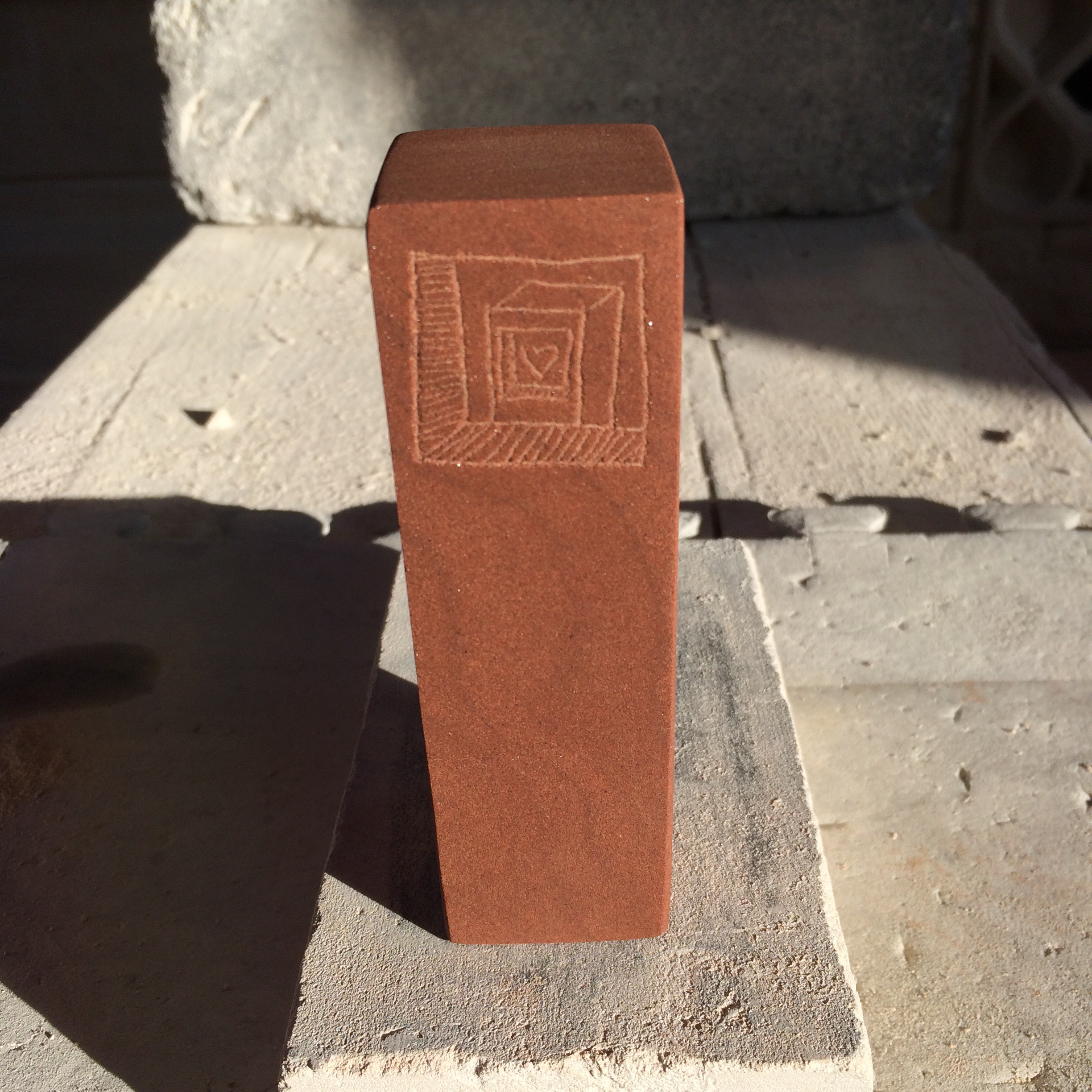
attempting some rapid ‘mini-sculptures’, drawing freehand with a
scribe directly onto the surface of 3 small stones, and made a
short film of another mini-sculpture using trompe l’oeil to render the
opaque stone transparent.
Whilst I was trained in life and still-life drawing at art school my
interest in direct carving means that I rarely draw before I work. In
an attempt to explore other ways of working I picked up a pencil
and opened a sketchbook. I wanted to find a way to move my work
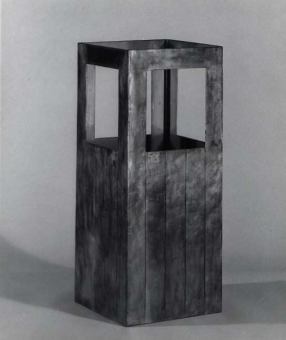
on. I had recently seen an article in The Paris Review which had
an image of a wastebin
.https://www.theparisreview.org/blog/2017/02/08/i-found-this-waste
basket-for-you/
wastebasket.jpg

which I found fascinating. I began sketching it from memory, but
soon realised it was too similar to my previous work to be
sufficiently developmental for my purposes. Whilst reflecting on
this and my need to escape the cube, to open up, to explore, I
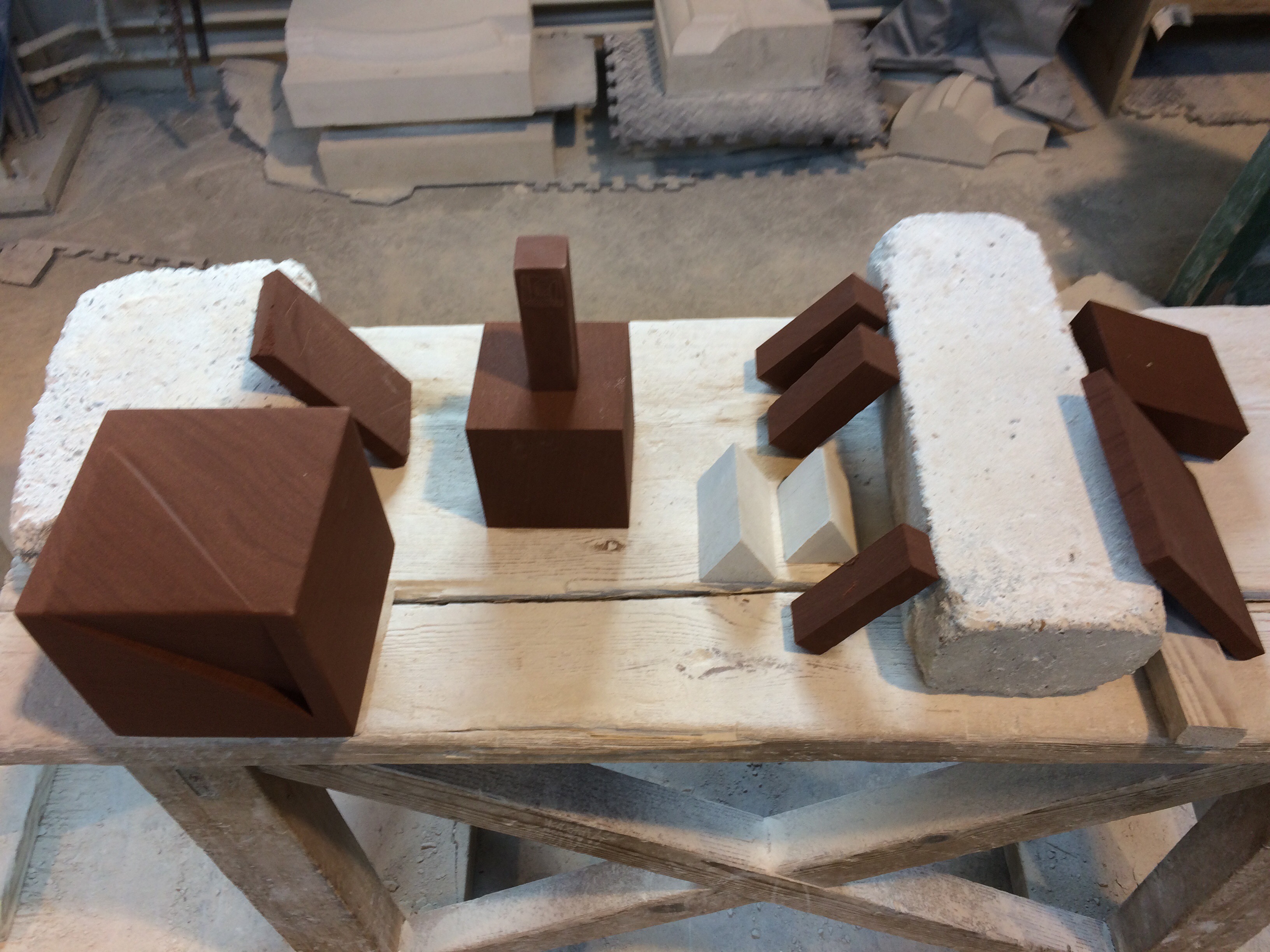
sketched how it might look if I literally took that sculpture and
opened it up, unfolded it. And rather than just suggesting the
openings or windows by drawing them on, I actually carved them
open, creating multiple viewpoints and confusing the whole
relationship between inside, outside and through: blurring
boundaries.
I am pleased with the result but feel it is a transitional piece and I
am currently working on two other strands in my exploration of new
work.
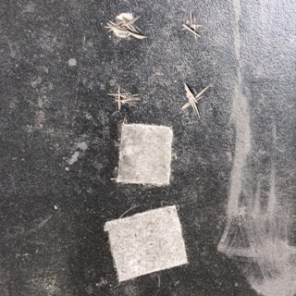
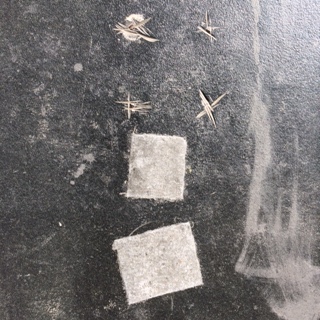
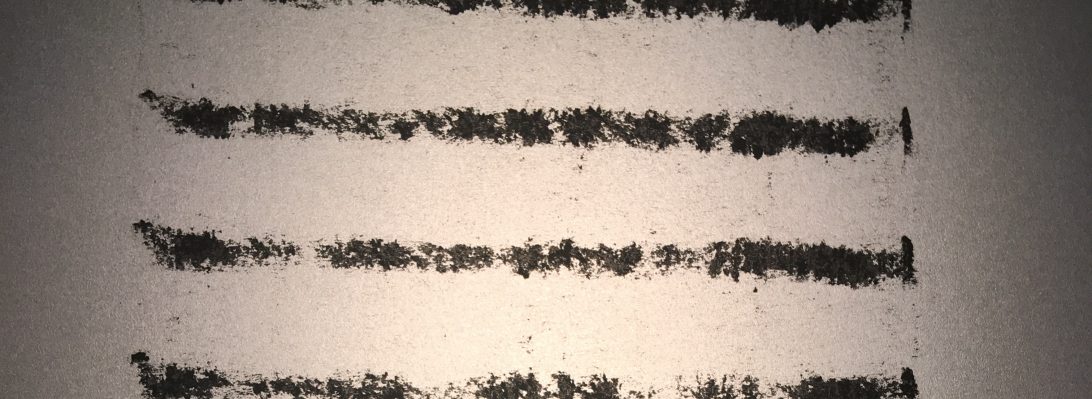
One involves sand-blasting (a kind of accelerated erosion) and I
have done a couple of trials to experiment with what to me is an
entirely new process, rather like spray painting that eats the
surface rather than coating it. This has the potential to significantly
add to my list of Actions as described by Bicknell and included in
my Map of Territory.
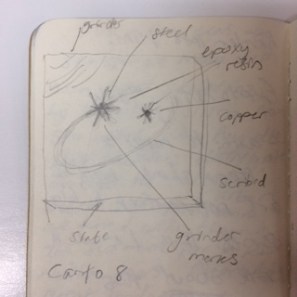
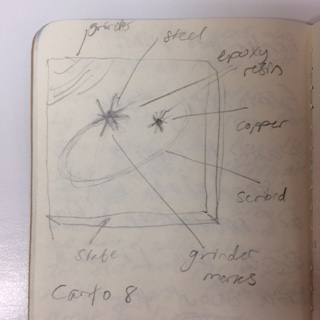
The other will include using steel and copper dowel, epoxy resin
and slate worked with angle grinders and scribe to produce a wall
mounted piece that will allow me to incorporate what is already
part of my Stonemasonry practice into my art work and allow me to
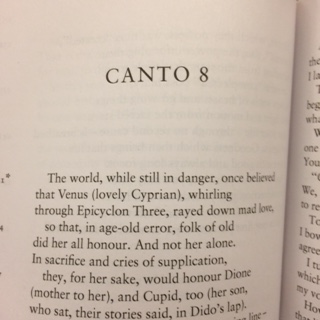
explore a more pictorial dimension. It was conceived after reading
Dante (ref) on the tube and then seeing marks left by repair work
to the station platform. (Working Title – Epicyclon 3). I hope to use
this project to experiment with a freer, more gestural style.
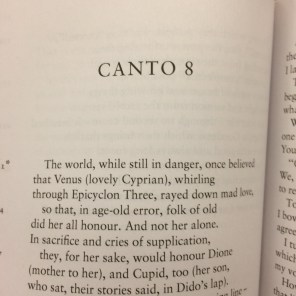
img_6484-1

IMG_6482

IMG_6485


Gallery visit

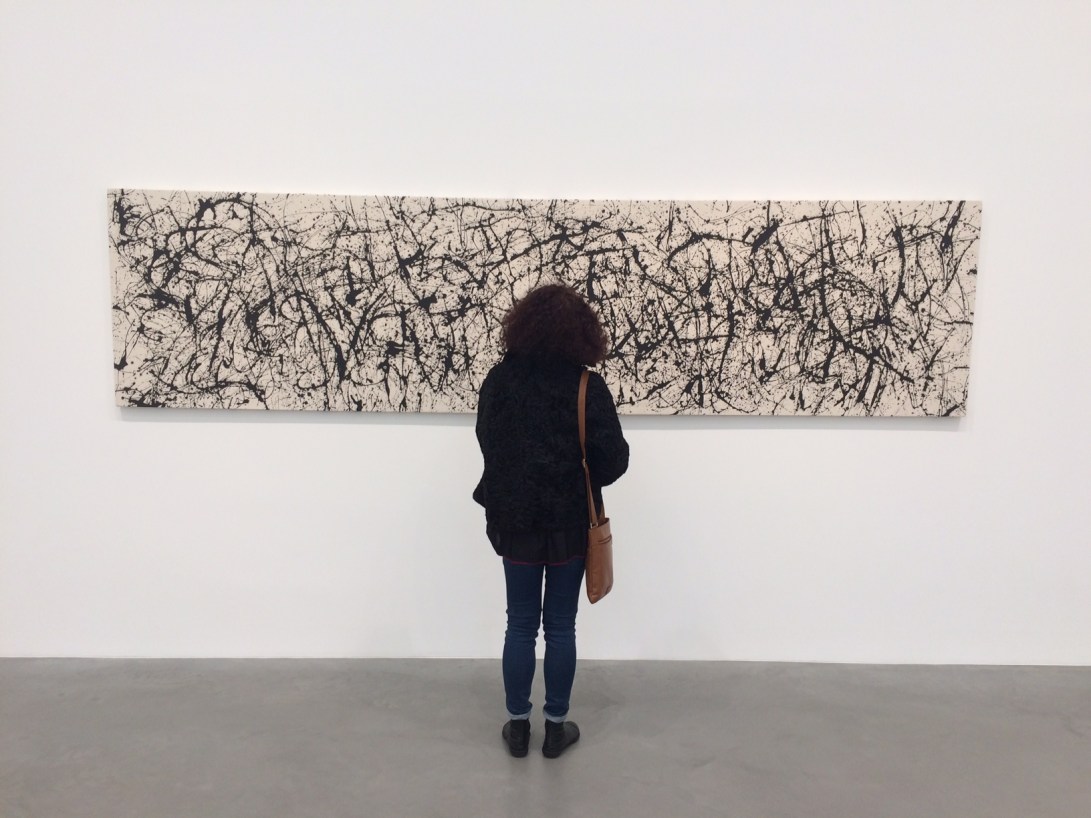
Popped into Damian Hirsts Newport St Gallery to see the Gavin Turk show

ttps://newportstreetgallery.com

Interesting space, if a little clichéd – impeccably restored and rejigged industrial building, brick, glass, fantastic triple pitched roof, indoors white paint, white desk, white stairs, white glazed brick, white staff. Grey floor. Restaurant (full of white women who lunch, as my mixed race companion pointed out) and white gift shop. Its all full of natural light. The space is pleasing.We are politely informed of various gallery policies. The atmosphere is informal and relaxed. Theres no hushed worshipful shuffling and whispering. One can get up close to the exhibits. Theres a lot of space.

From upstairs theres a great, galleried view of one of the downstairs spaces rather like the view into an oddly angled squash court. Turks infamous failed MA Blue Plaque looked great from the two different angles.

Gavin Turks work is Art about Art with himself as the Hero and as far as it goes is great fun. Except when he tries to be serious – the black skip and black bin bags are too obvious to be metaphor or symbol or representation (except unintentionally, perhaps as the only black objects amidst all that whiteness, apart from this Pollock pastiche comprised of Turks name painted over and over). Its a walk through the History of Art full of unsubtle nod and wink references to Warhol, Pollock, Duschamps (a car wheel so obvious that I cant even bring myself to play with tired/tyre), etc. Defiantly unprofound.IMG_5759.JPG


David Kefford

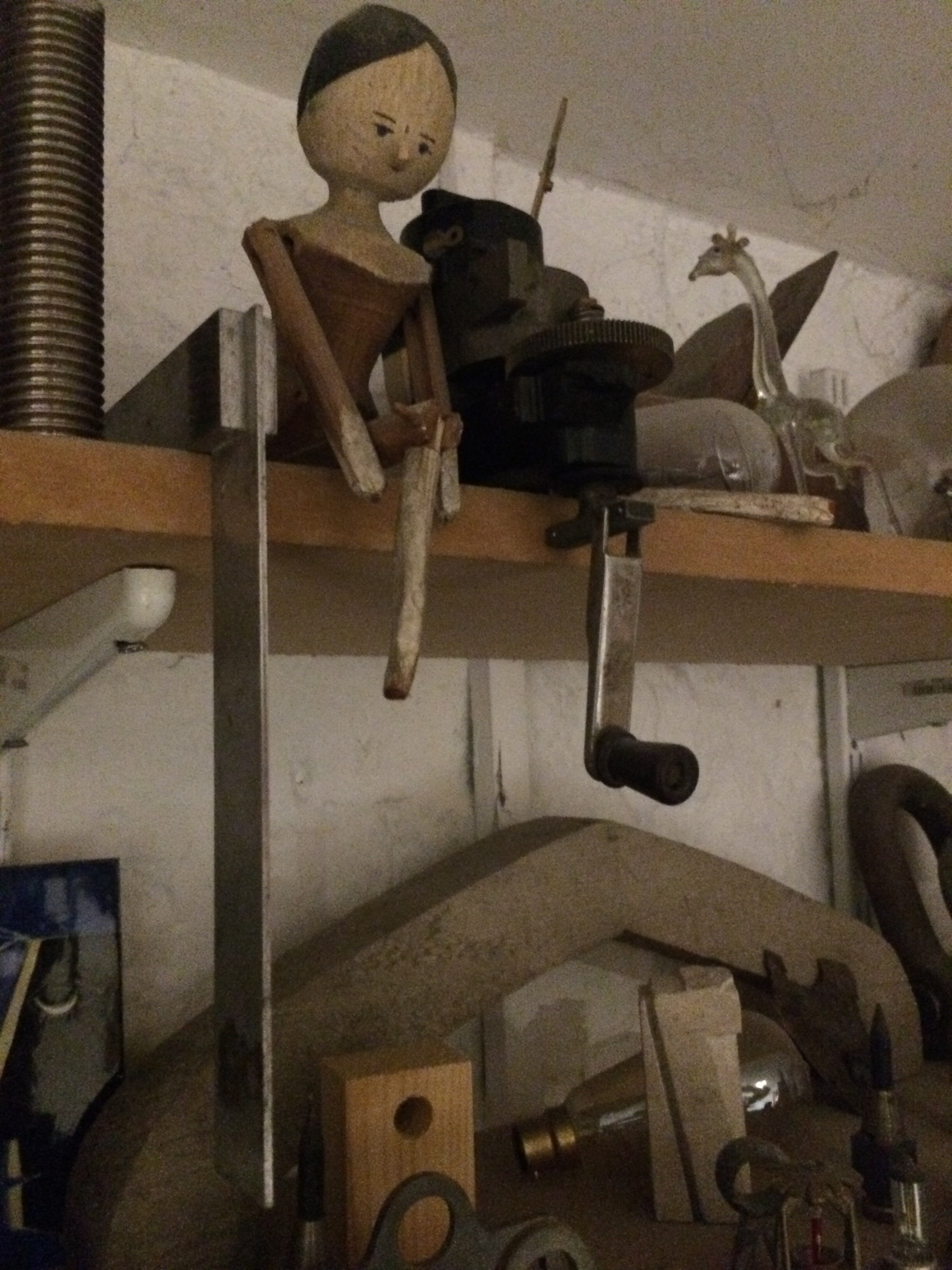
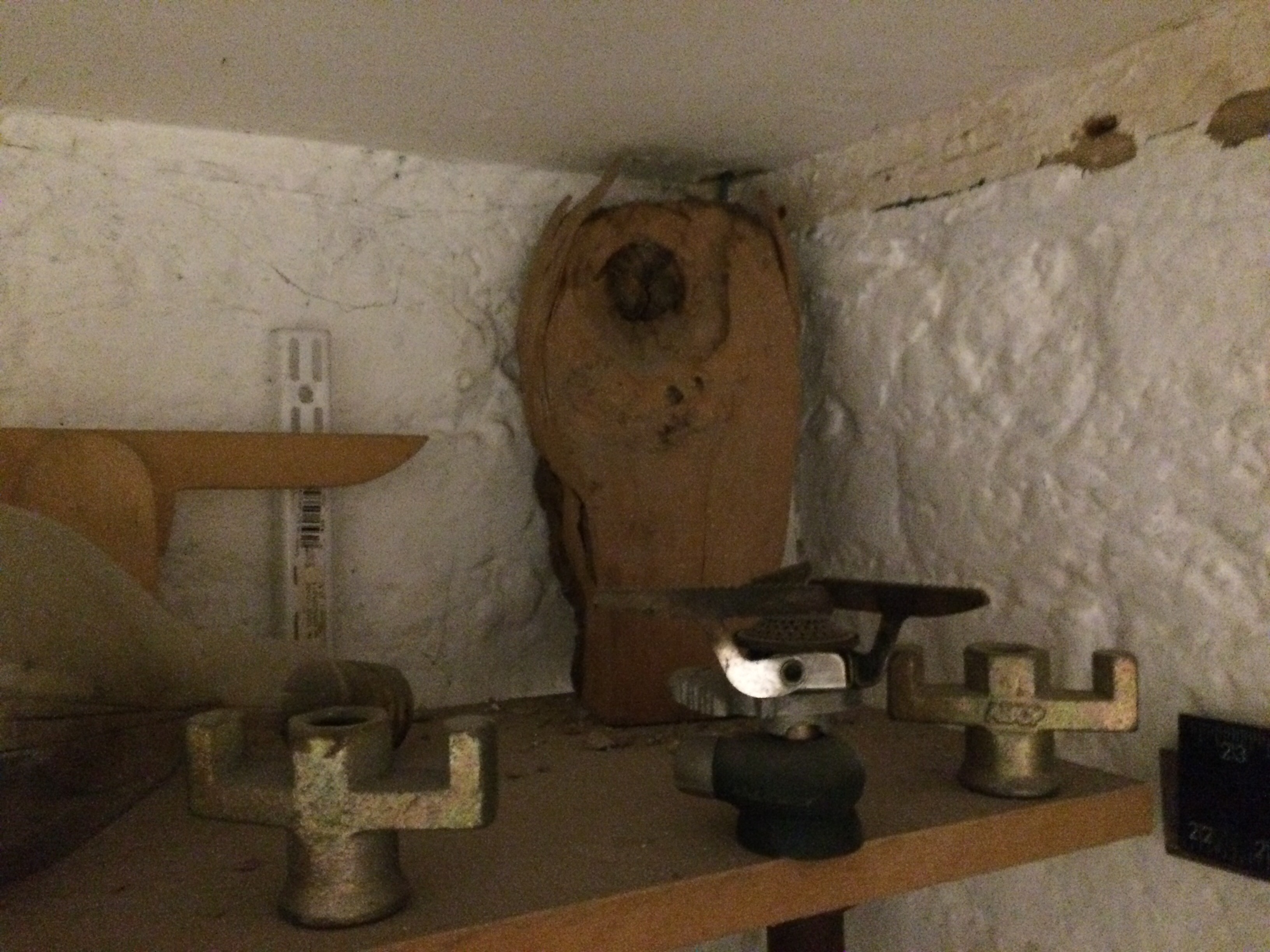
Inspired by Keffords ethic I revisited my neglected collection of artefacts found and acquired and “clumped and clustered” as he put it. During his presentation I also played with some copper wire from work and combined it with what I had been carrying around in my pockets for a while – a radiator key, bent floor board nail and wall fixing Ive used for years as a doorkey thing.Then at work in half term making sculpture I took the plunge and started making some mini sculptures using the off cuts of sandstone from a larger piece.

Working without squares and straight-edge!! Hugely liberating! Using a motif Ive used before in a more controlled way – a window in a tower. here a window in a tower in a window. A riff on cliches about finding the form within the block (which i reject as nonsense based on misconceptions). Here playing with the idea of St Valentine and the difficulty of getting to the heart of things etc..

Mapping The Territory (initial thoughts)

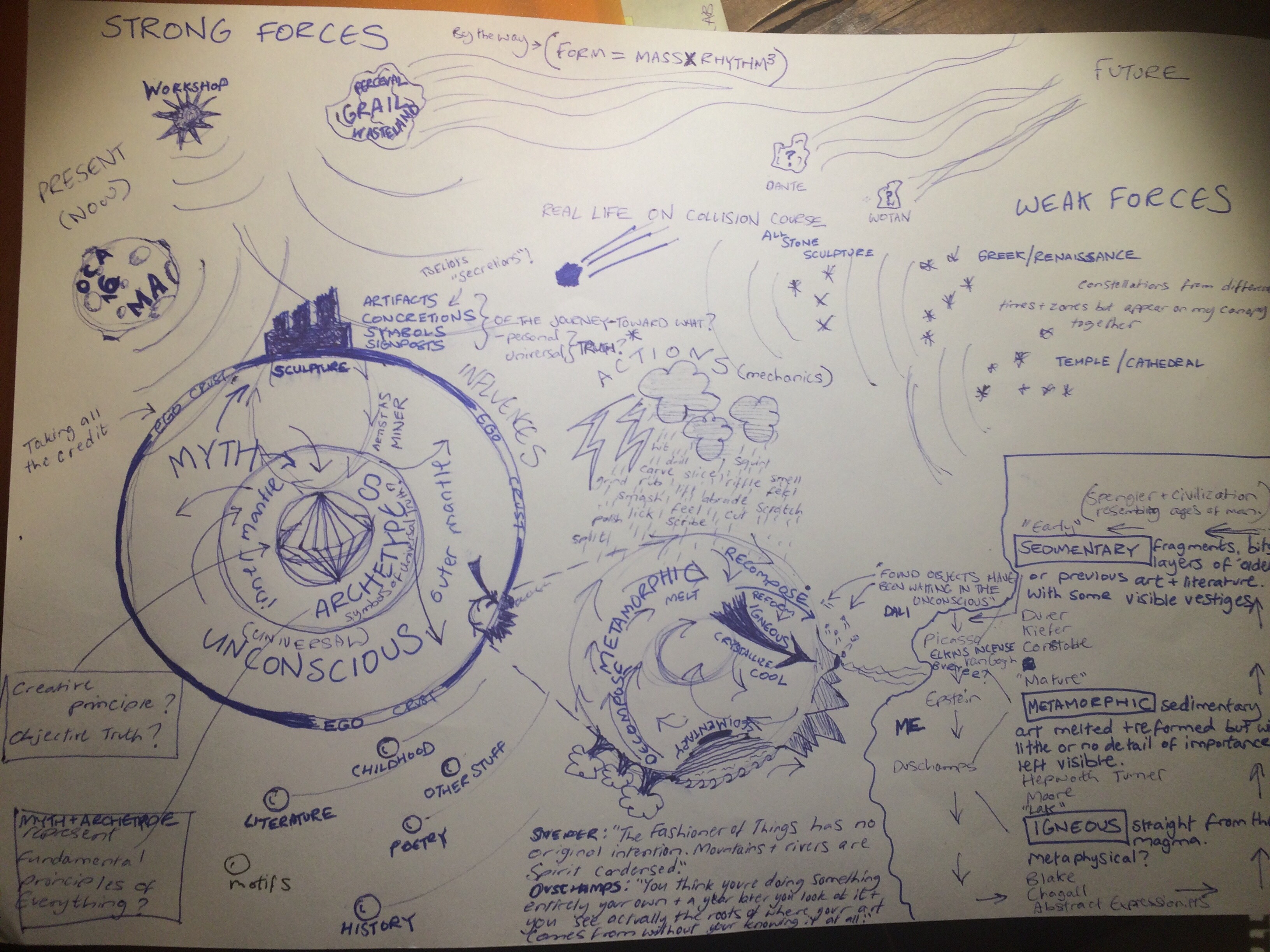
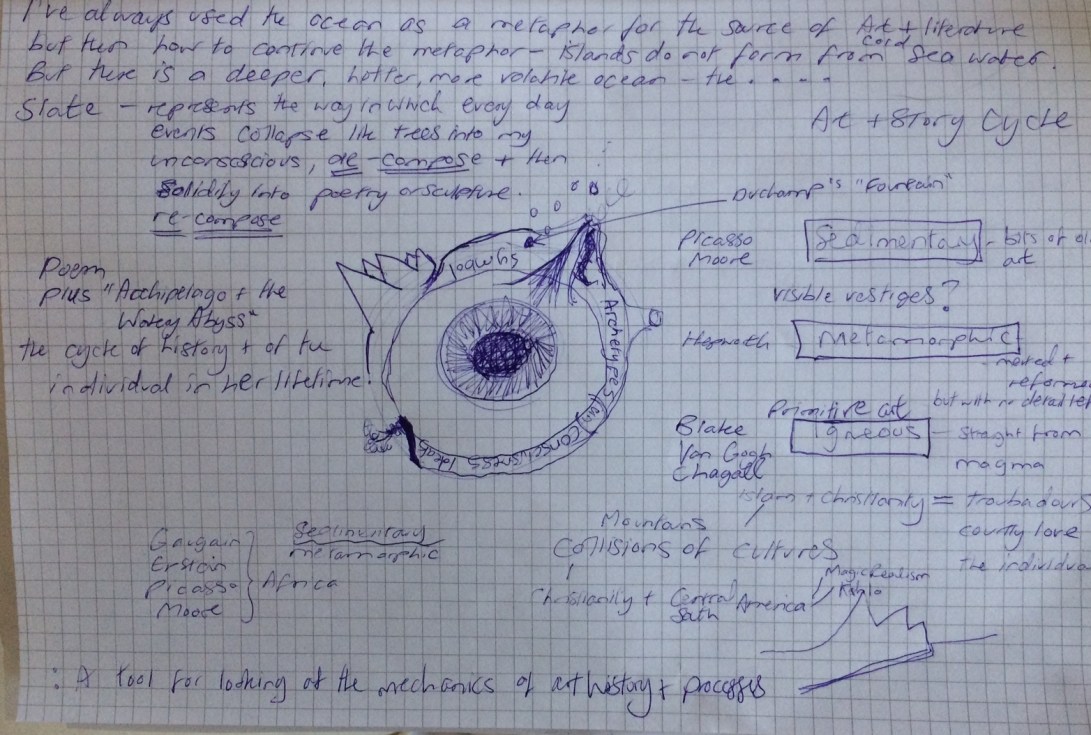
Read Elkins Stories of Art and watched Angelas presentation. Then produced this sketch.

FullSizeRender.jpg

Started thinking about the mechanics of my art and its processes and how a map would feature the ocean as the symbol or metaphor for Oceanic Consciousness from which art rises or back into which I fall but then I wondered how useful that is as a tool.

Islands dont rise from the ocean but through it.

Is there a better metaphor for the creative process that doesnt rely on a vague solidification of coldness, wetness, darkness.

I thought of the rock cycle with its Sediments of once living creatures and plant life that melt and Metamorphosize; its erupting and bubbling, cooling and crystallizing Igneous stones; and its great collisions of continental plates and mountain ranges. And the strange consequences of long vanished glaciers that dumped great stones miles from their origins.

I thought of a re-classification of art where Blake,  Van Gogh and Pollock are Igneous tapping directly into the raw magma of life and consciousness alongside Primitive Art. Art built from visible fragments of layers of older art would be Sedimentary – Monet, Picasso, Moore. Duschamps “Fountain” as some great Igneous “sarsen” stone hurled up from the magma whole and deposited in a surprising new context.  Hepworth melting the past into something new but basically chemically identical. The great mountain ranges where Cultures clash together and give rise to new ideas- Magic Realism in South America, Islam and Christianity producing the Tales of the Troubadors and Courtly Love in 12th-14th C Europe. And as with a cycle its on the move and there is a spectrum between the three classifications and artists can move from one to another as they change and mutate their practice and past artists can appear in more than one place.

Well its in its early stages. Not sure how helpful it will be as a personal tool. But it may help me get away from the Mind Map connectivity template that can be a bit rigid and structured for a subject that is forever in flux. It may even address some of the issues raised by Elkins. Not sure exactly how yet.

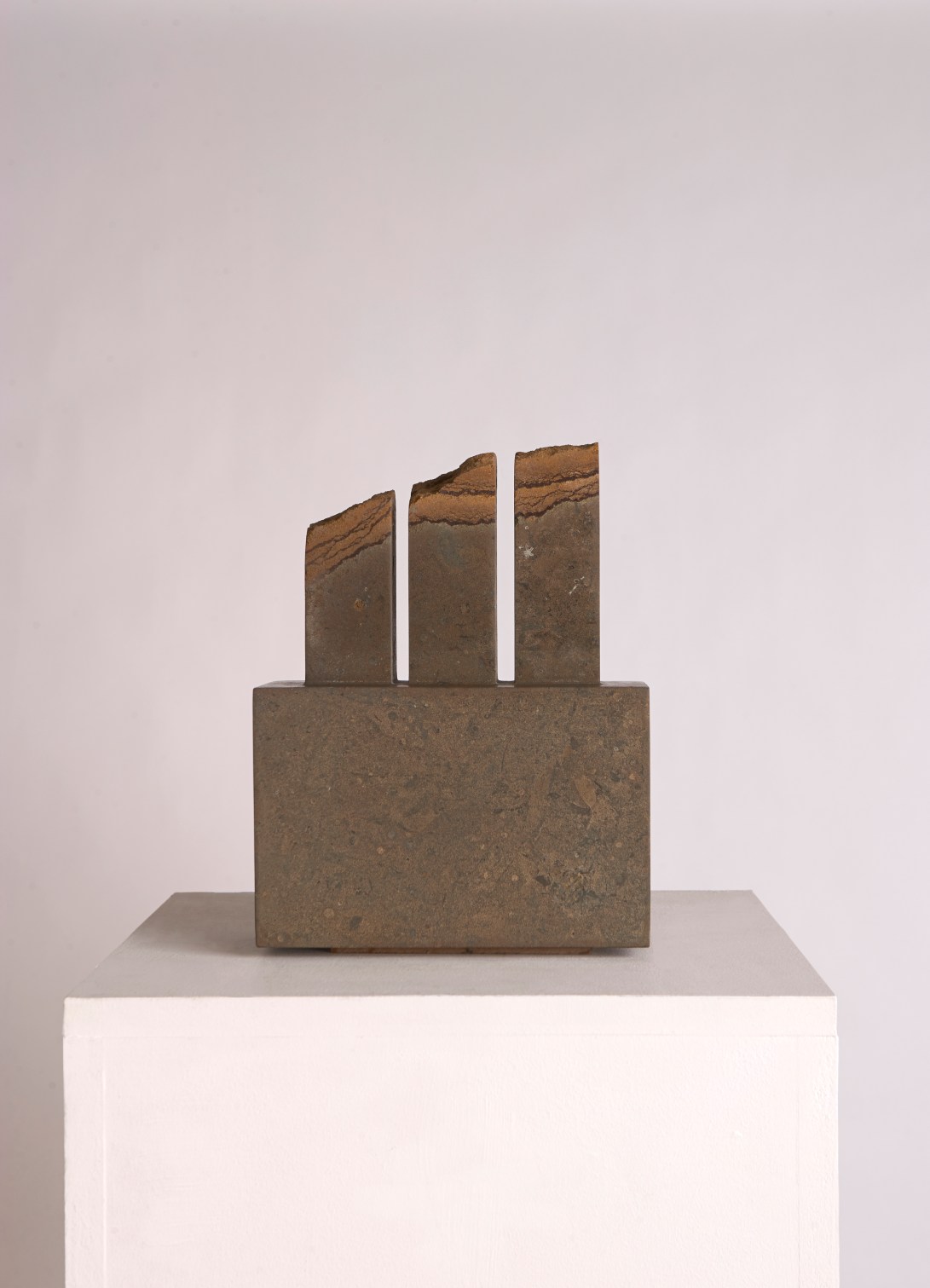
The Watery Abyss (Sedimentary Limestone 2015). This was about the surfacing of ideas from the place where ideas come from. Looking at it again while thinking about Mapping The Territory helped me reimagine ideas rising from something more molten or layered than water.The Watery Abyss.jpg

Then I thought of a poem I wrote about how things one experiences can be allowed to decompose before being re-composed rather than being used as material immediately.

Don’t Write About These Falling Leaves Just Yet

Don’t write

About these falling leaves

Just yet –

Their colours,

Their trajectories,

Their shapes.

Their patterns

Their sound.

Let them drift and mulch,

Rot and decompose,

Settle and sink

First.

Further reflections on galleries and curation

  • one of the problems I face as a sculptor in stone is that while most people have an understanding of the process of painting few have the same of stone carving. Their understanding rarely goes beyond the Michelangelo accredited cliche of ‘finding the form within the block’ and ‘what happens if you knock the wrong bit off?’ or “you must be very patient’ (Im not patient – a good stonemason isn’t necessarily patient but is highly trained – you have to work fast to make a living!).
  • this makes it hard to price one’s sculpture, find a gallery that understands stone sculpture, at least a little ( i have had work damaged by mishandling and even by wet paint), or find a market.
  • I am lucky in that I have a teaching position that enables me to make sculpture. I have decided to focus on building a body of work that expresses the things I need to express. Uncompromising but I have spent 20 years acquiring the skills I need to do so by working as a restoration mason and carver.
  • would I like to live by selling my sculpture? its not a straightforward thing. Right now I am working with tools and equipment rarely available directly to sculptors in stone. In order to make the work I want to make right now I need access to a big table saw. I am trained how to use it. Without it I would have to show my designs to others and get them to do the primary cutting. But the thrill of doing it myself, basically directly drawing in the stone in 3d and seeing whether or not it is a success or a failure, is a huge part of what I do and why I do it. If I ‘succeeded’ as an artist ie gave up the day job – I would have to do so to the extent of buying my own table saw. £80k. And hiring a space to use it. etc.  Also the tension created by balancing life, job, family, money and sculpture is part of the dynamic.
  • Would I like to sell more? Money is always welcome of course. Recognition of my work as a thing of monetary value? All good for ones ego and self esteem! But the most pleasure I can get outside of making the work is seeing it all together as a BODY OF WORK as it is intended to be and offering it to the public, with or without my guide notes, for them to have their own experience of it. (And if one sells in a gallery then the percentage cut paid to the gallery that took a chance on showing my work comes as a great relief!)
  • just listened to

    The New Curators: Who Decides What’s Culturally Important?

    On BBC Radio 4.


  • when we first discussed the curator in class I came at this with considerable prejudice which has dissipated since hearing the cohorts input. My feelings towards what i saw as an artificial layer of self-invented non-artists were of suspicion and irritation. Yet another Management Class between the worker artist and the consumer public that is not needed and in fact is a barrier to real communication. Like Gallery owners and Auction Houses commodifying creativity: not art lovers or even art understanders but niche marketeers playing percentages etc etc. 
  • I now realise that as with everything there is a spectrum of curation ranging from enabling to controlling. Helpful.