Portal

img_7194

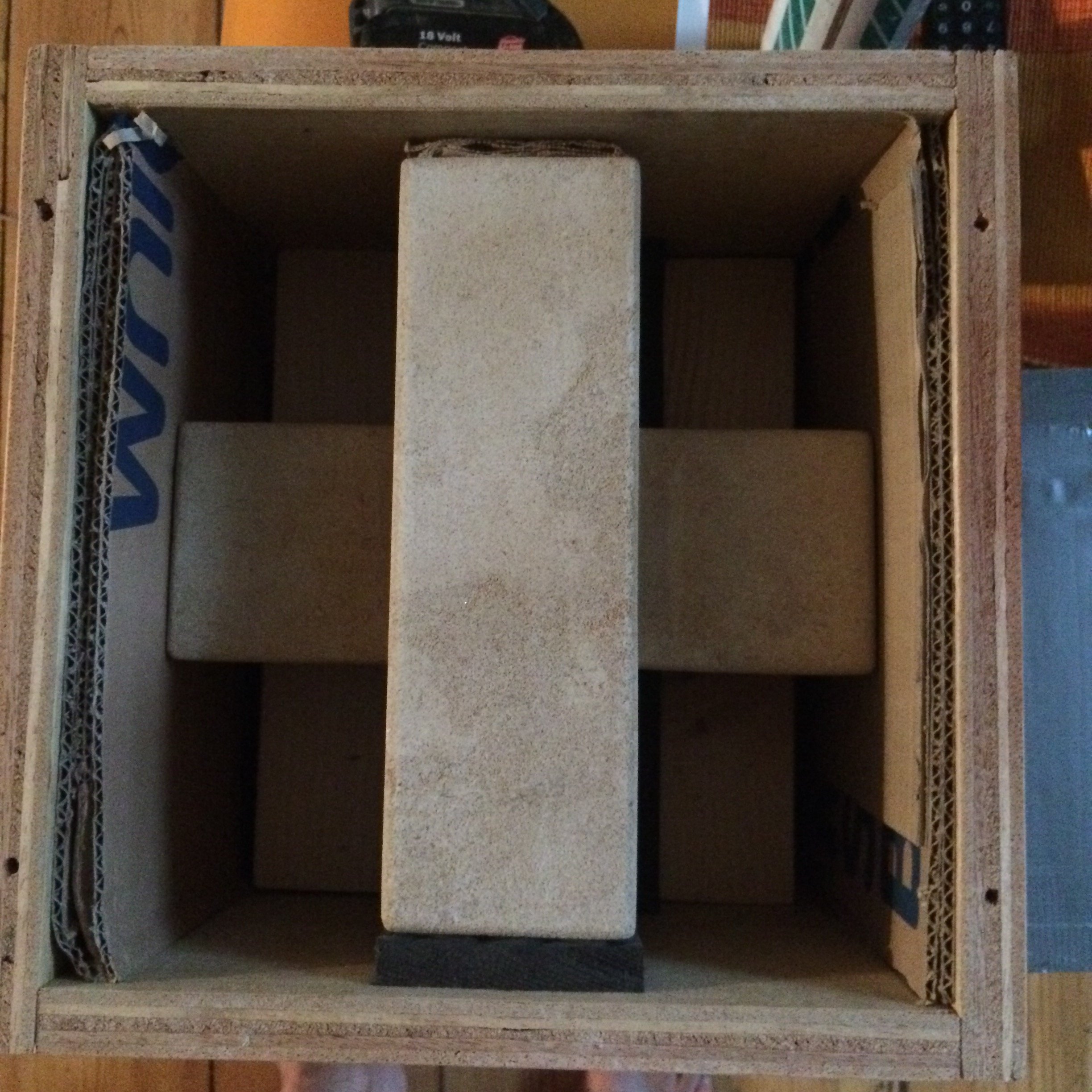
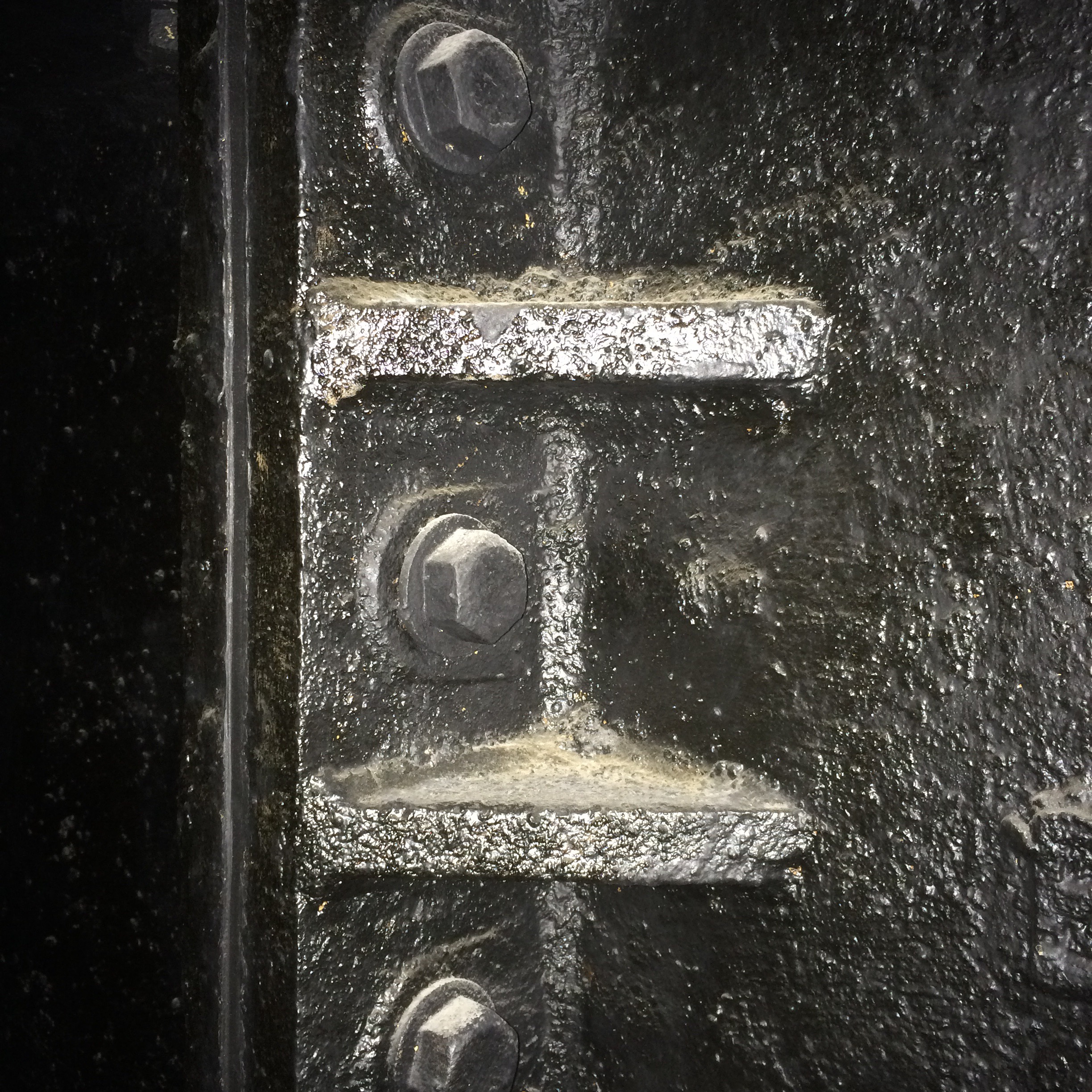
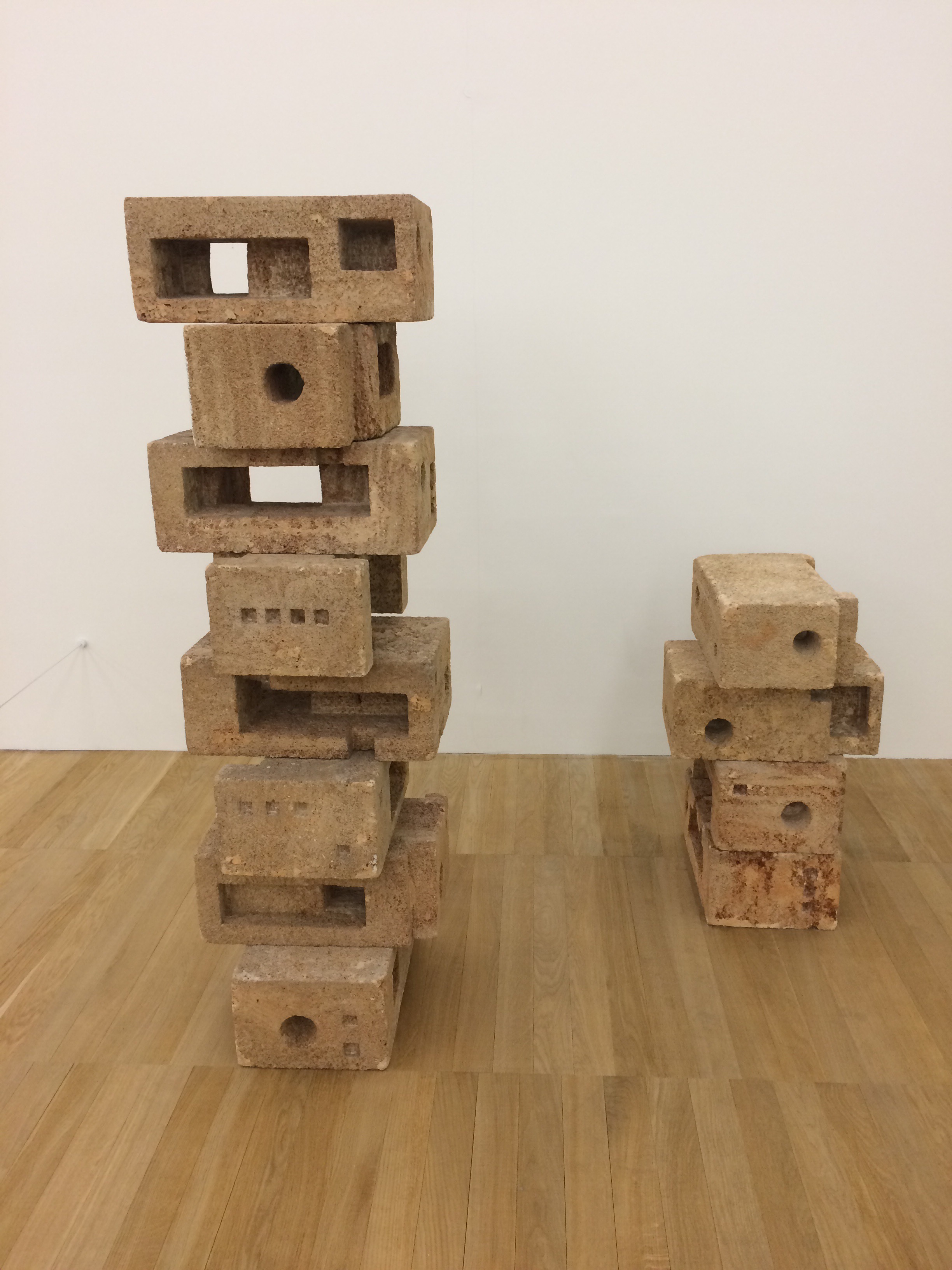
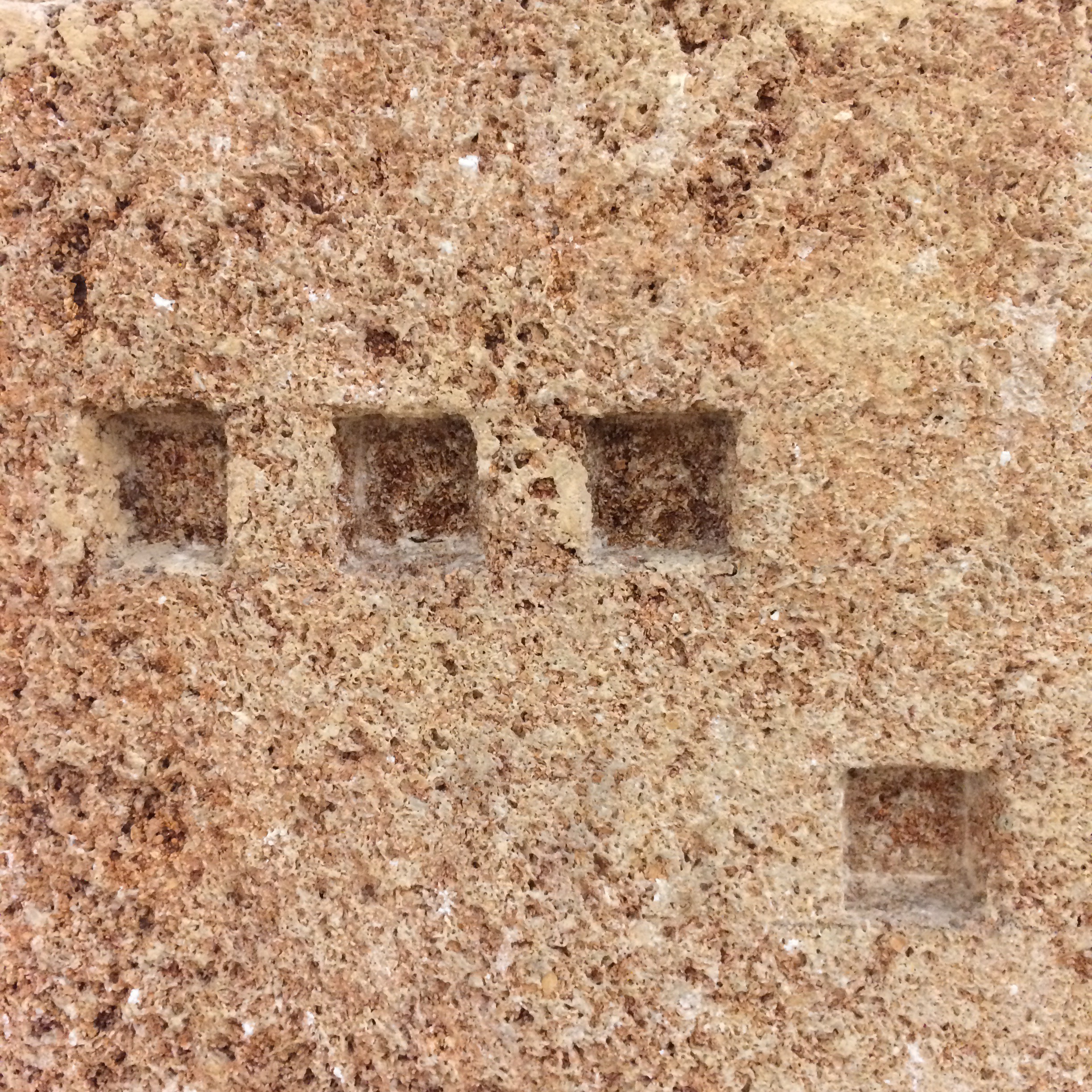
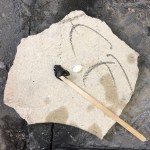
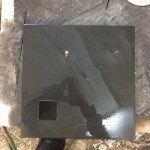
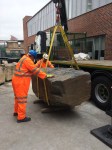
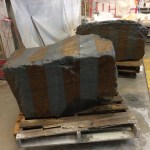
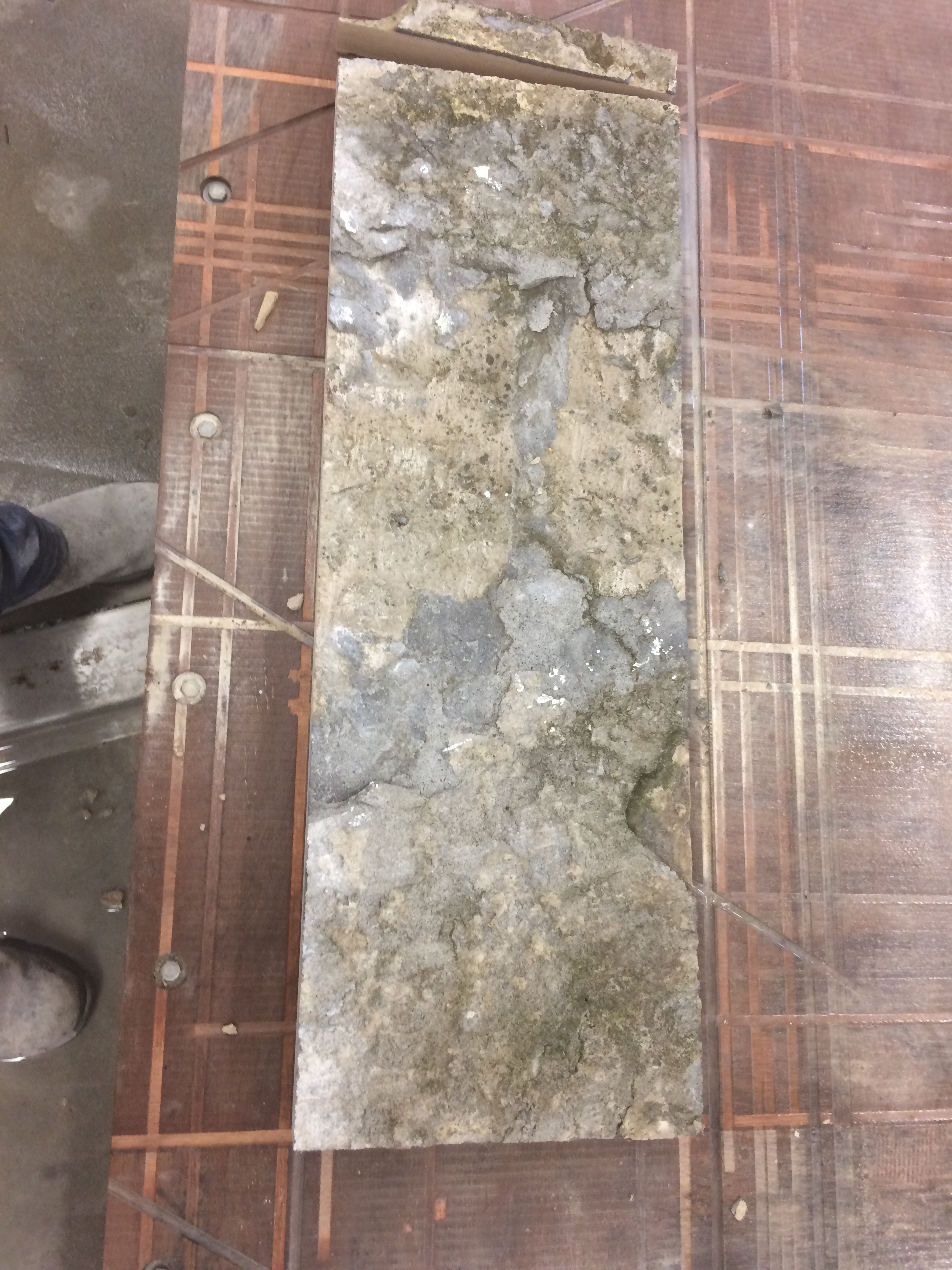
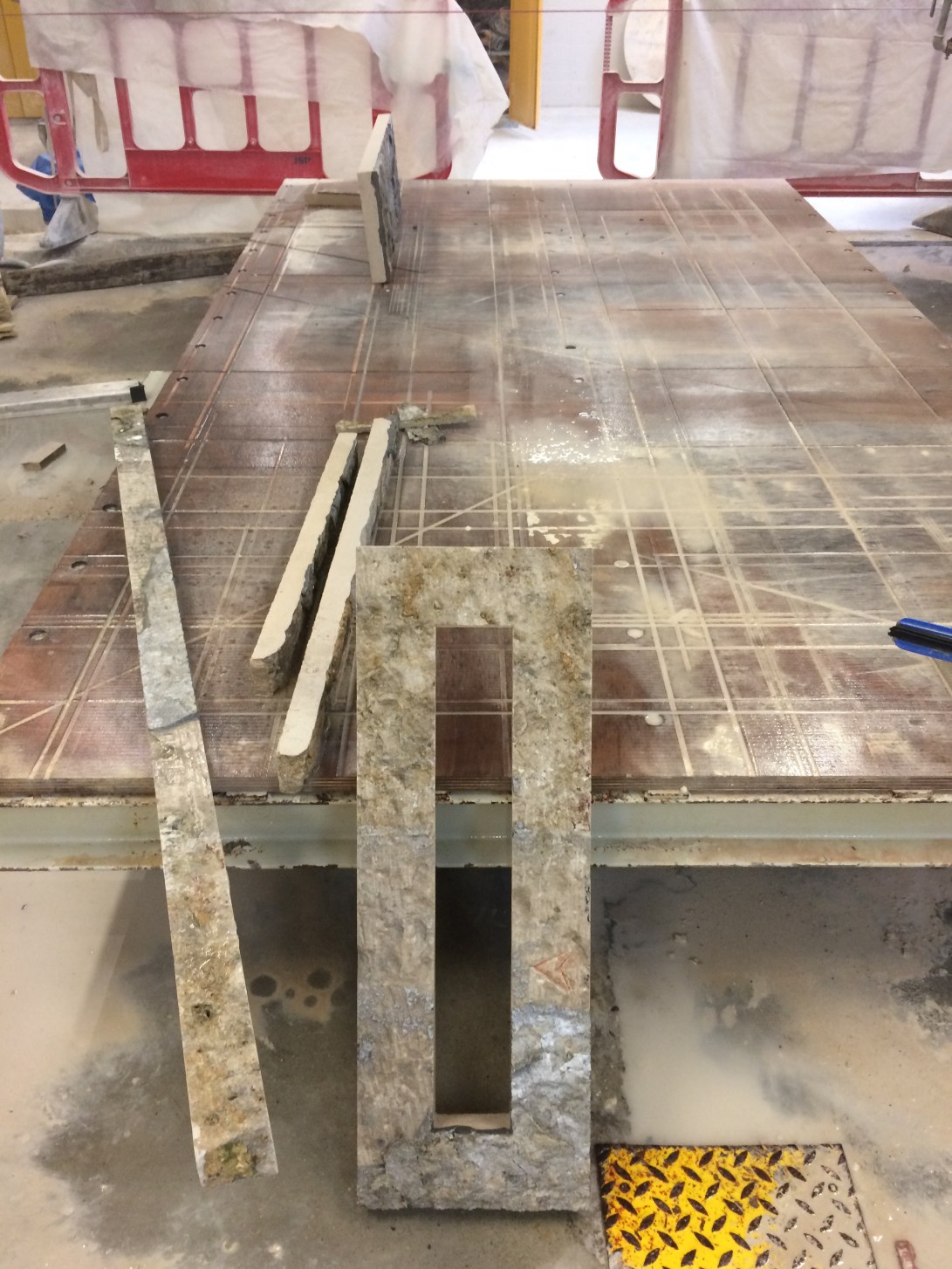
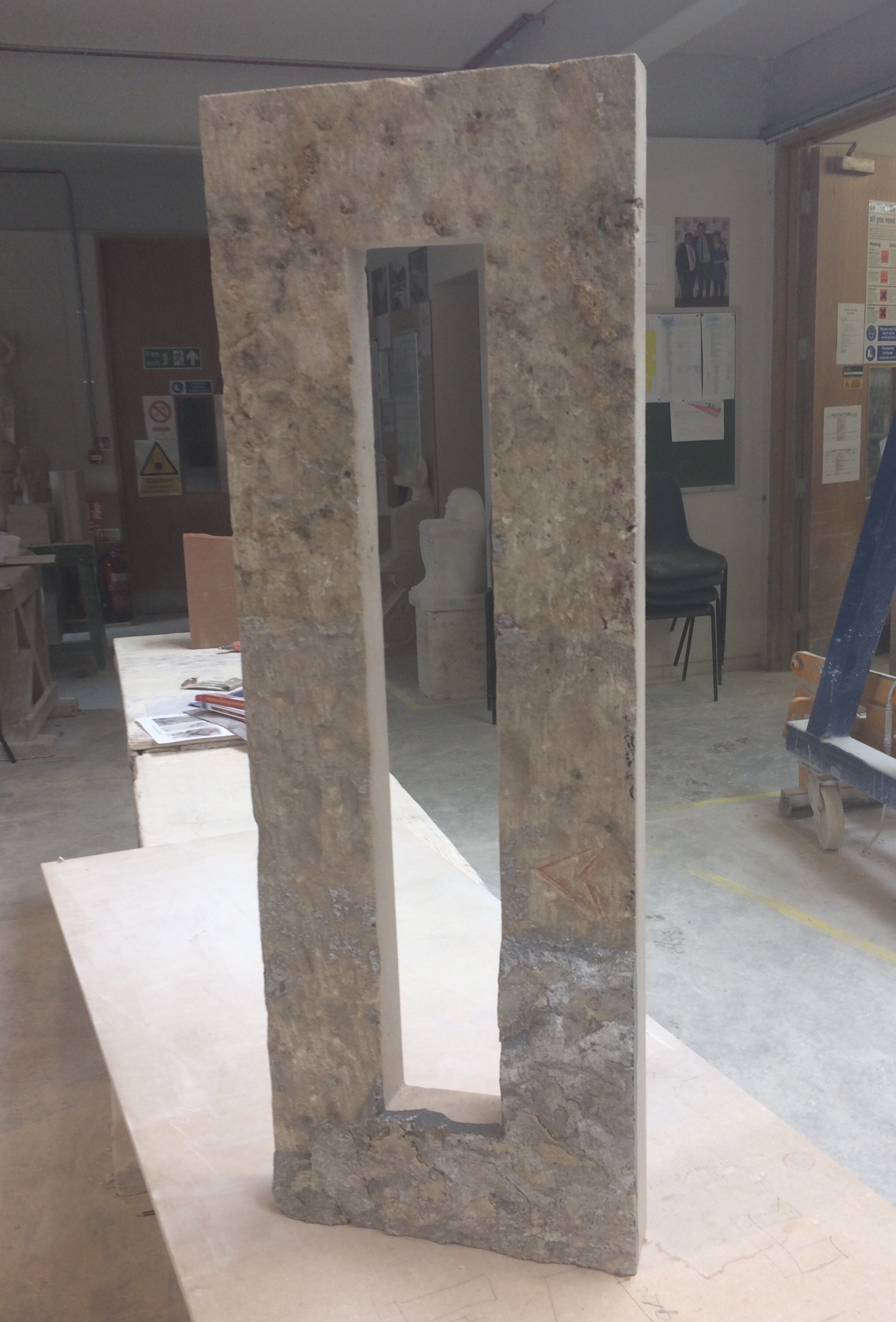
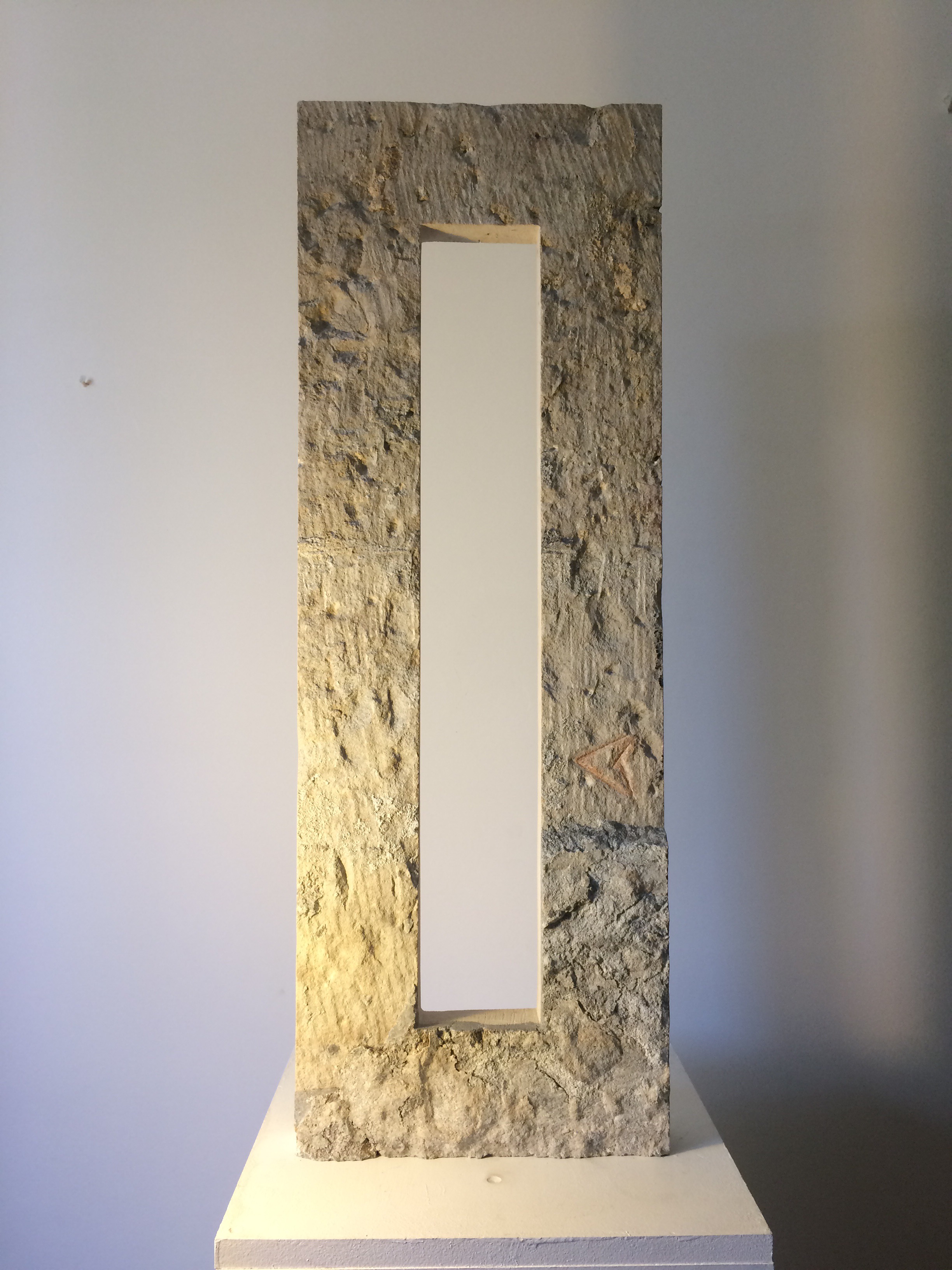
this is something I’d been wondering about for about a year. To take a piece of salvaged stone and use what would normally be discarded as waste for a sculpture. In this instance I had a large block of Portland stone salvaged from the Blackfriars Bridge regeneration project. We used the bulk of the stone for a student project (gothic tracery rounded window) and I set the off cut aside rather than chuck it in the skip. It’s covered in cementicious mortar that would have bonded it to the next stone. It was approx 2 m long coming from an original block of 2/2/1 metres that would’ve weighed around 3 tonnes.  Having been part of a bridge for around 100 years the stone increases  in hardness  and with the cement was difficult to work with. My original idea was to use the entire 2m length for one sculpture but as I assessed it on the saw table it occurred to me to use half and maybe a pair. Looking at the pattern of the cement, the absence of cement, the staining and the tool marks, inc the original masons mark (crudely carved as proof of who made it and who therefore should be paid for it),and the ratios and proportions that hinted at form, I judged the long and short cuts to be made on the table saw. then I took one half , drew on the cut out based on one third of width and used a 9″angle grinder to cut the lengths and a 5 ” on the widths. However, while the 9 cuts the depth the 5 could only part cut the depth of the width so I had to stitch drill the length and chisel one end free. Using a lump hammer to pop out the cut out in one hit was very enjoyable. The rest of the job was hard work. Drilling, chiselling, filing, riffling and hand rubbing. Final high pressure wash. Very pleased. Took home, photographed, delivered to client next day. They loved it
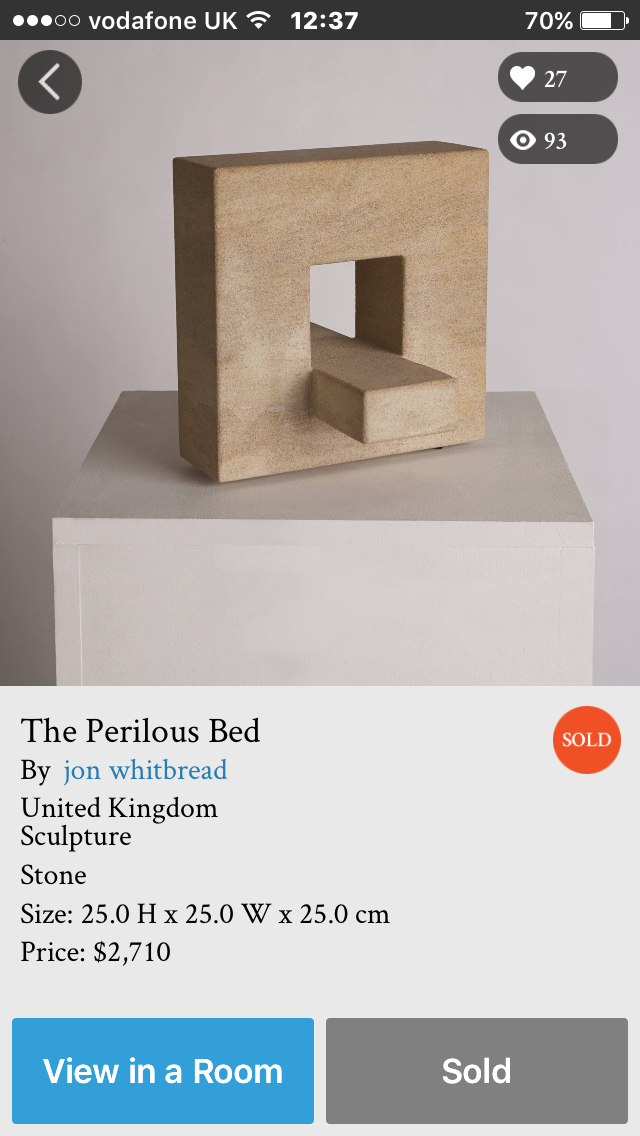
Sold

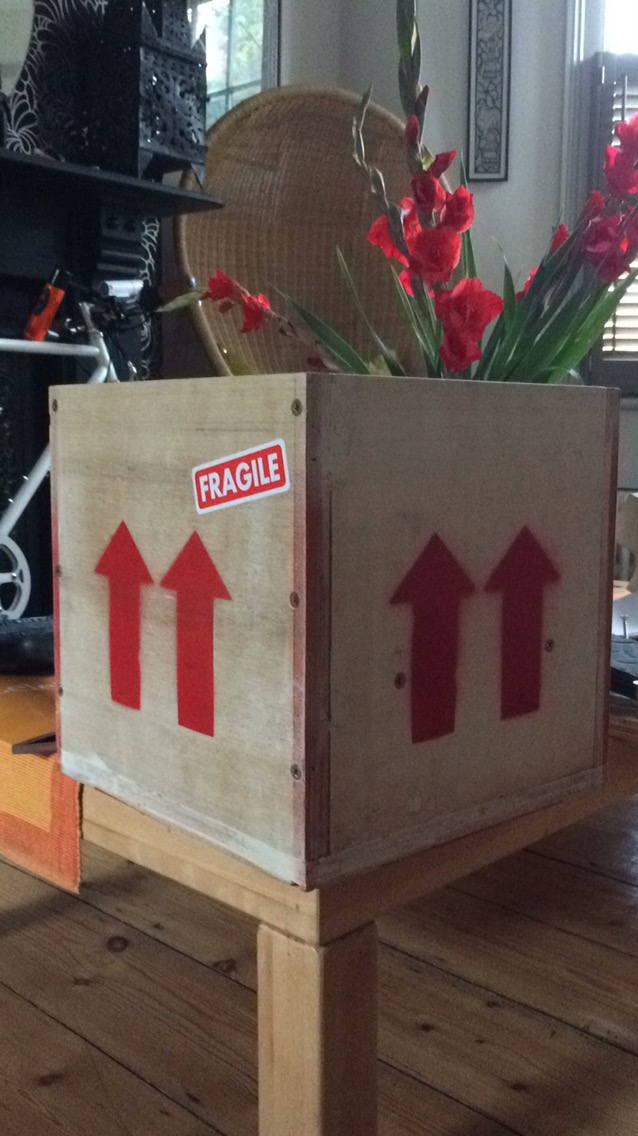
In July I received an offer for The Perilous Bed, designed a crate for shipping, filled out lots of paperwork and a courier took it to the buyer in France. The experience was surreal. I had no contact with the buyer. The money is held by the broker ( saatchiart) based in the States who take a fairly standard 35% and the buyer has a buy or return option lasting 7 days. So it’s great for them but disconcerting for the artist. The sale was completed so my sculpture is now in the collection of a person I have never met or spoken with. 

Exploratory Sandblasting

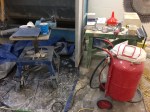
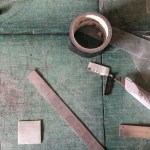
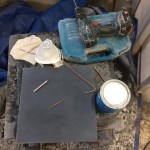
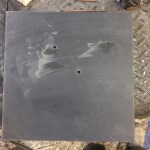
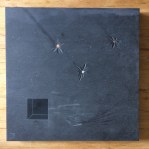
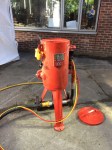
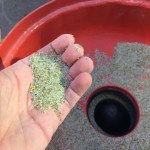
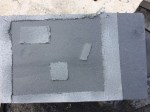
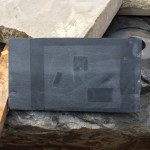
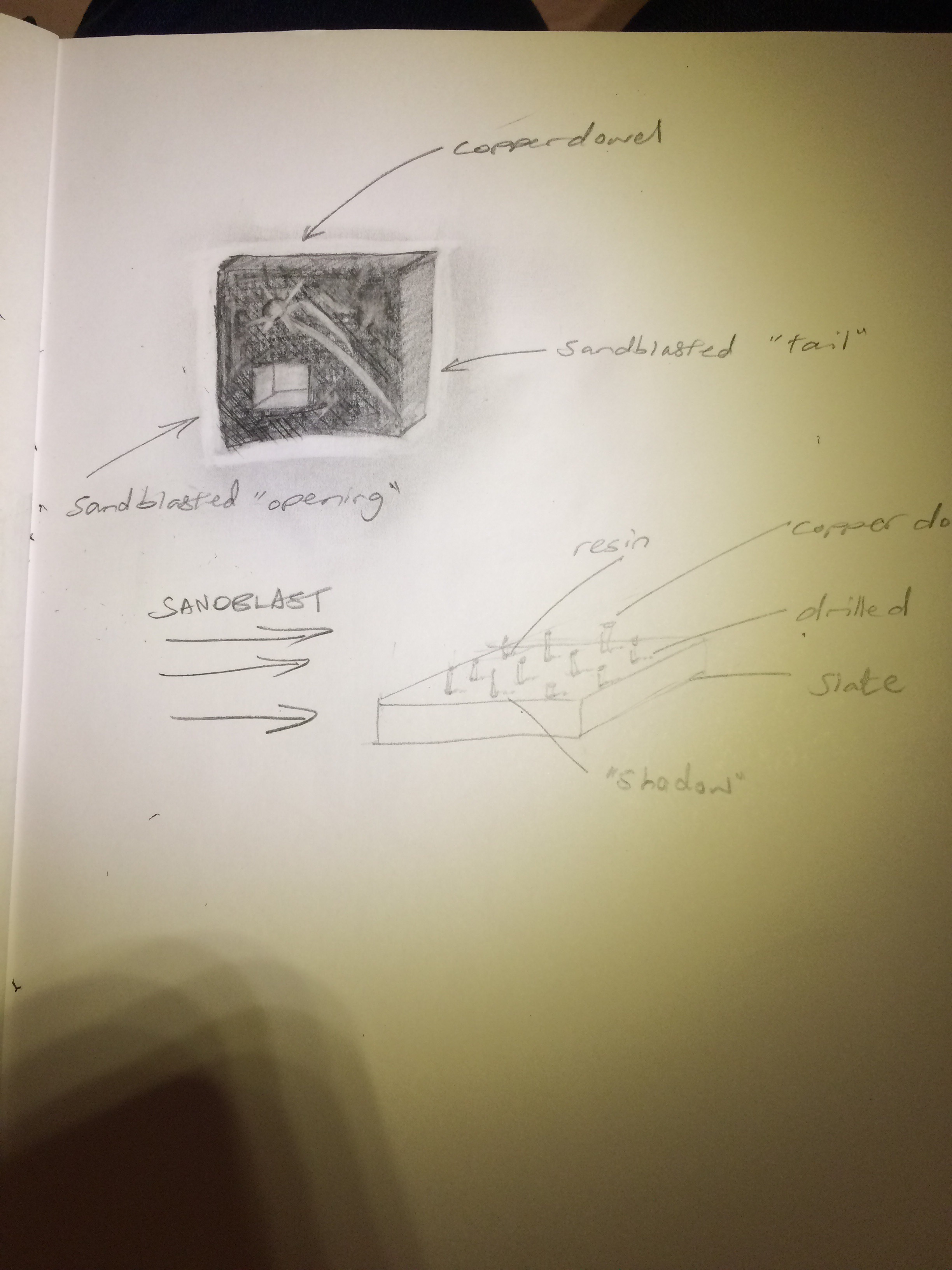
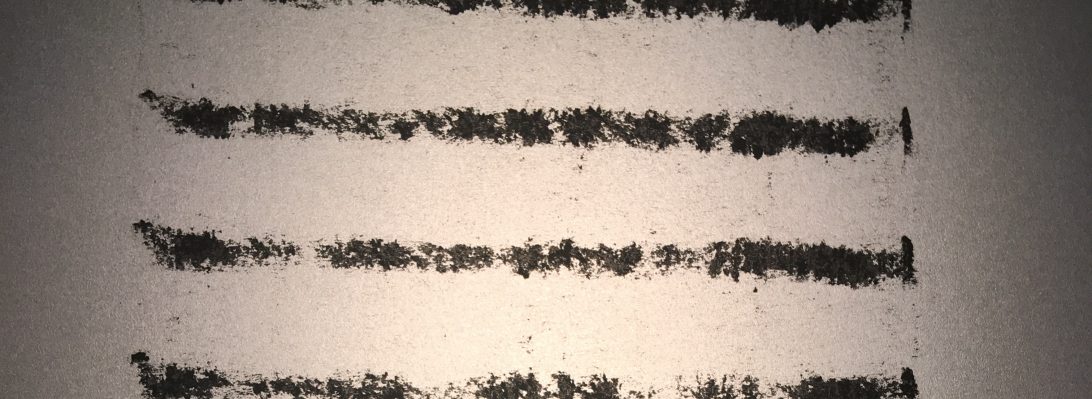
As part of a contract to produce sculptures based on the designs of MUF Architects I hired a sandblast machine and used highly aggressive glass aggregate to blast stripes onto Pennant sandstone. I conducted a quick test for my own work using slate and 3 layers of gaffer tape. The blaster obliterated the tape much quicker than I had hoped, however I liked the results. Unfortunately the machine had to be returned next day. I will continue to experiment with the smaller, less powerful machine in half term.

Exploring Appropriation

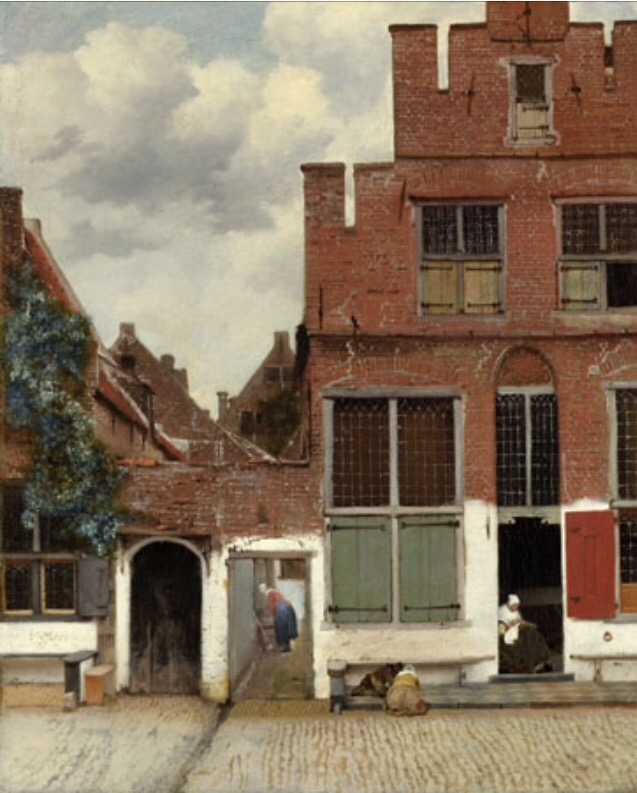
Vermeer, The Little Street (1657-58)


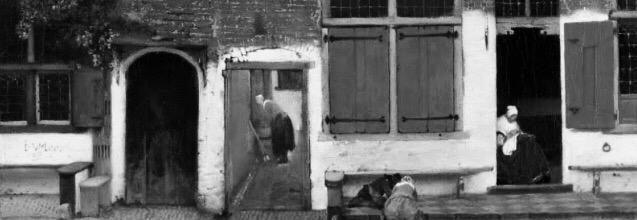
I’m thinking of deconstructing Vermeer’s urban landscape in some way. I see parallels with my own interest in portals- windows, doors, openings, viewpoints as metaphors for the way in which the unconscious and conscious communicate. I’m interested in the paintings negative and positive spaces and balance of light and shade. I want to explore it and dismantle it to better grasp its mastery. It’s rhythms and balance. I may attempt to take the central whitewashed masonry for example and make a sculpture of it. Or perhaps take the painting apart layer by layer and scribe or sandblast it onto stone panels to extract and abstract it’s representationality and explore its sculptural qualities. But also as a comment on its instant-in-time socio-economic, proto-photographic qualities. Bourgeois Vermeer depicting the servants as faceless operatives, ant-like, ornamenting his composition or scrubbing his canvas until it glistens. Sandblasting a version of this into slate, minus the servants, as a sort of black and white stone photocopy with the workers air brushed out as a way of drawing the viewer’s attention back to the original to be seen in a different way. (Berger). Or even finding a way to sandblast the figures only, without the architecture.