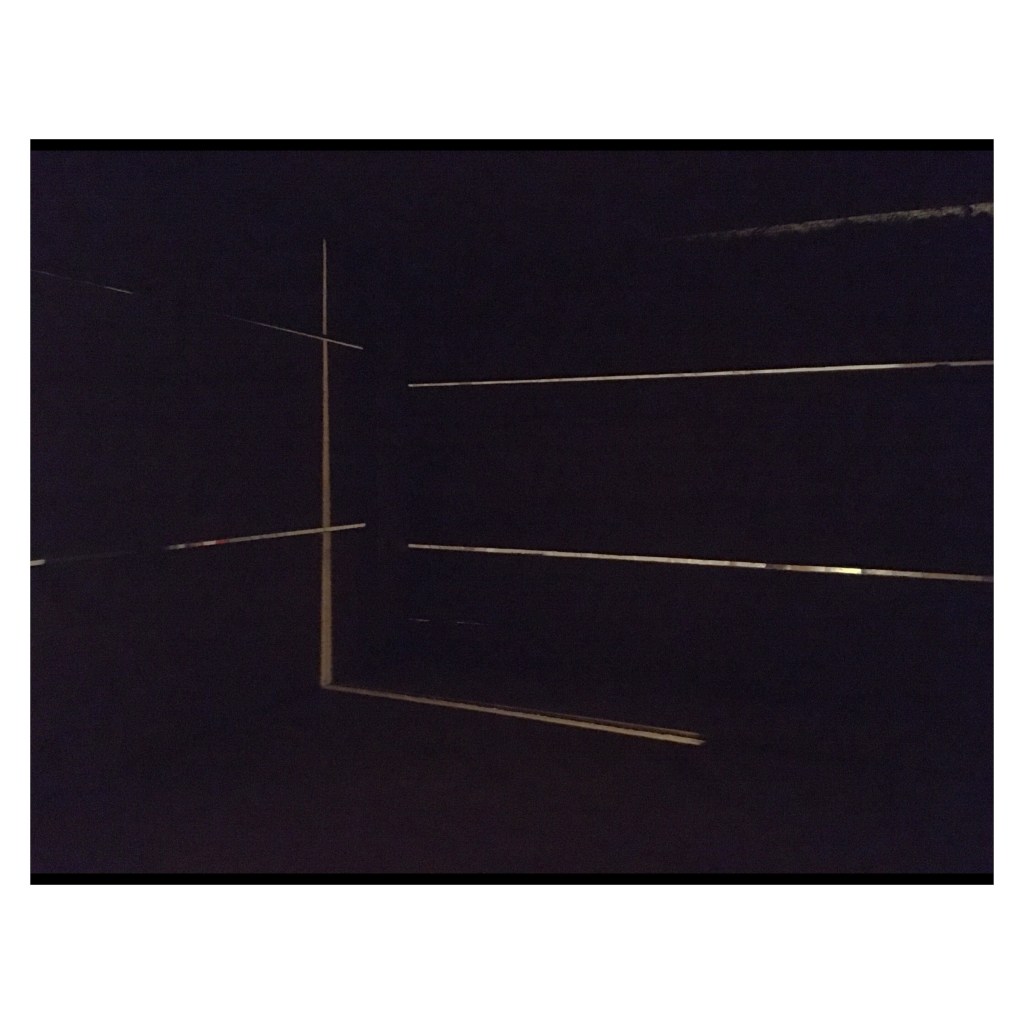
Photo of the innards of a wooden crate in the basement
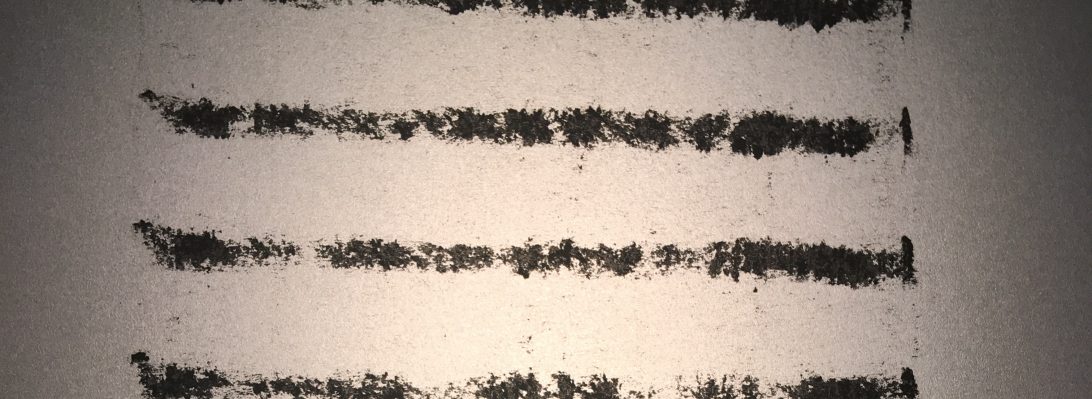
Photo of the innards of a wooden crate in the basement
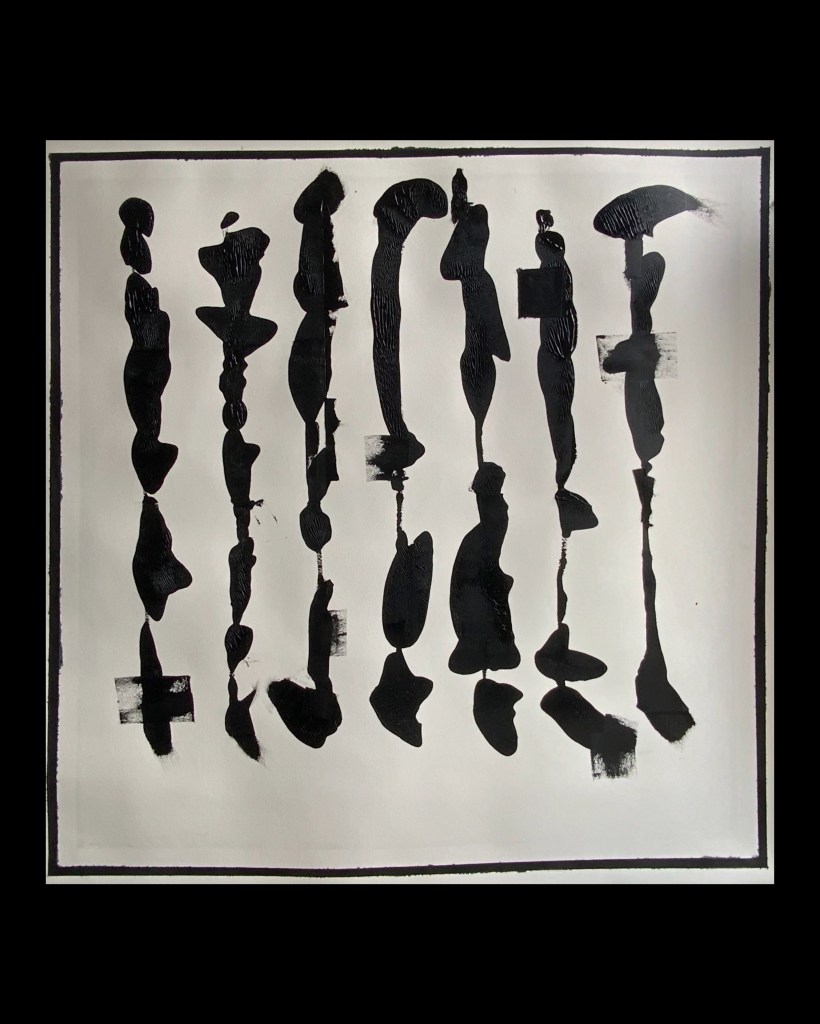
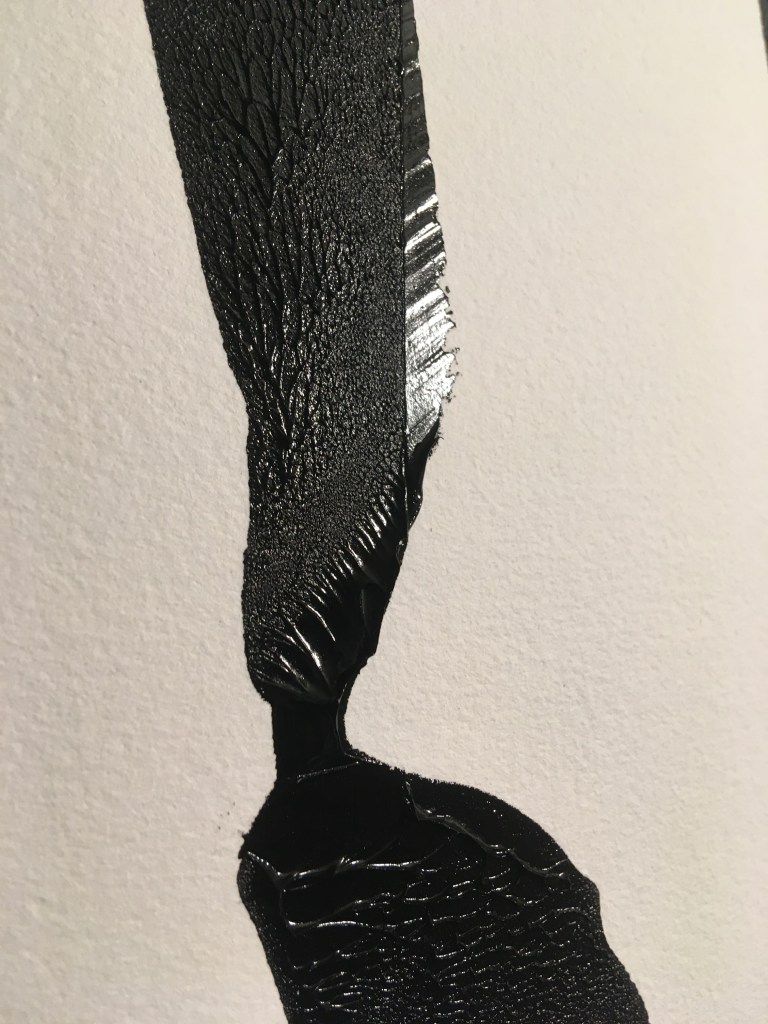
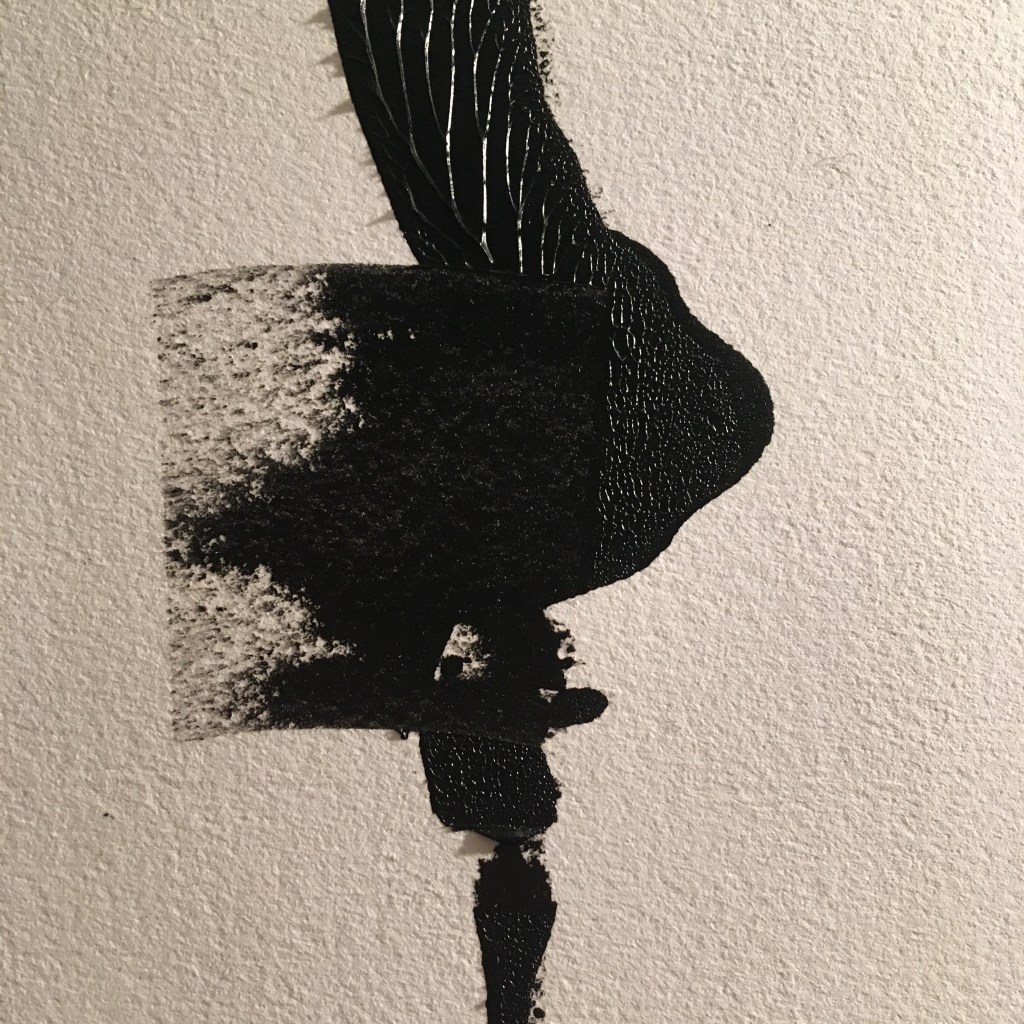
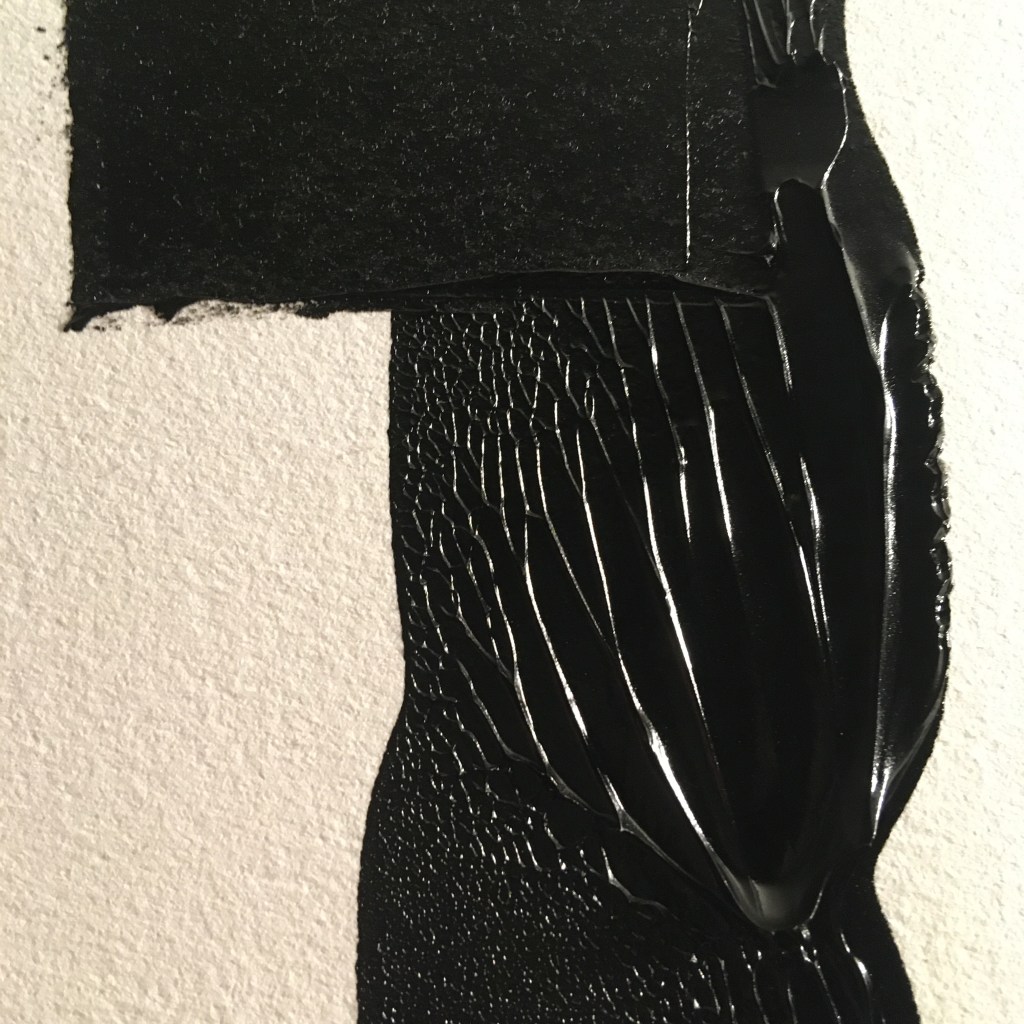
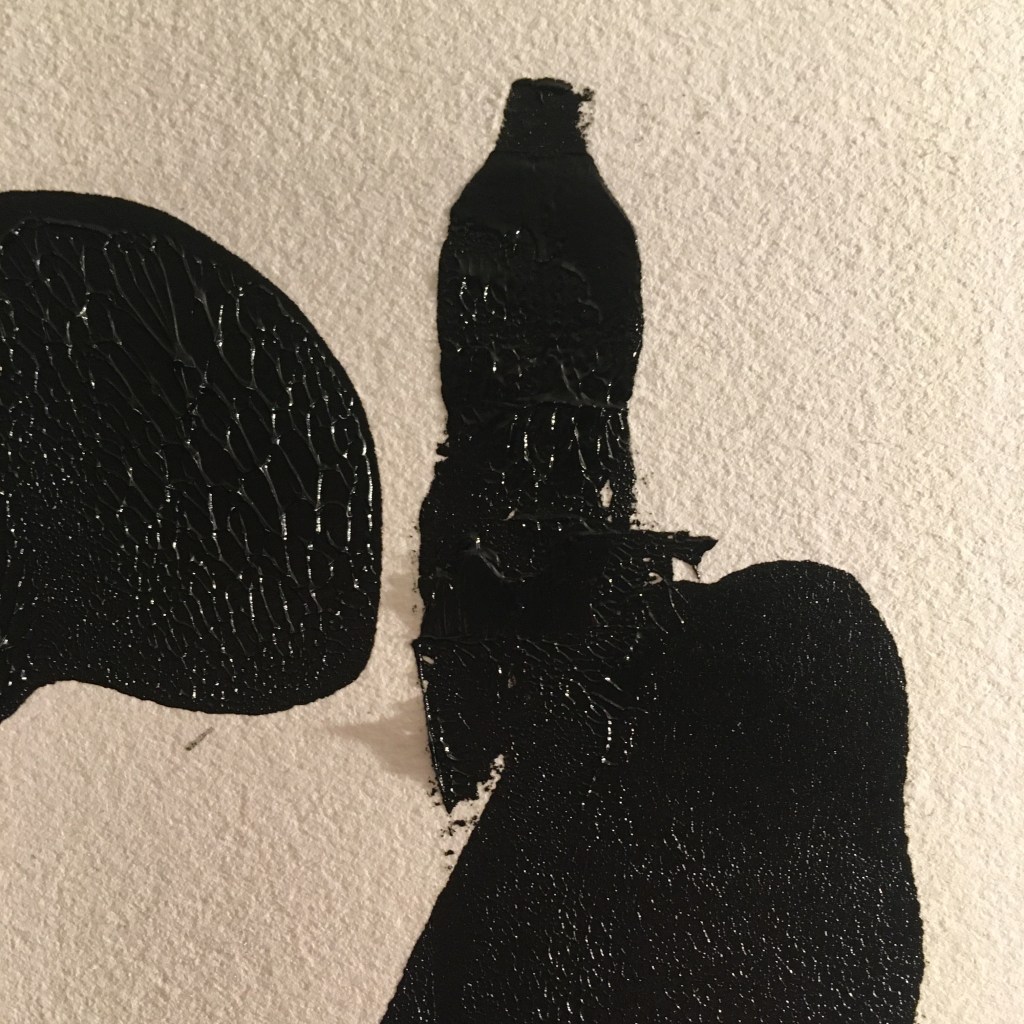
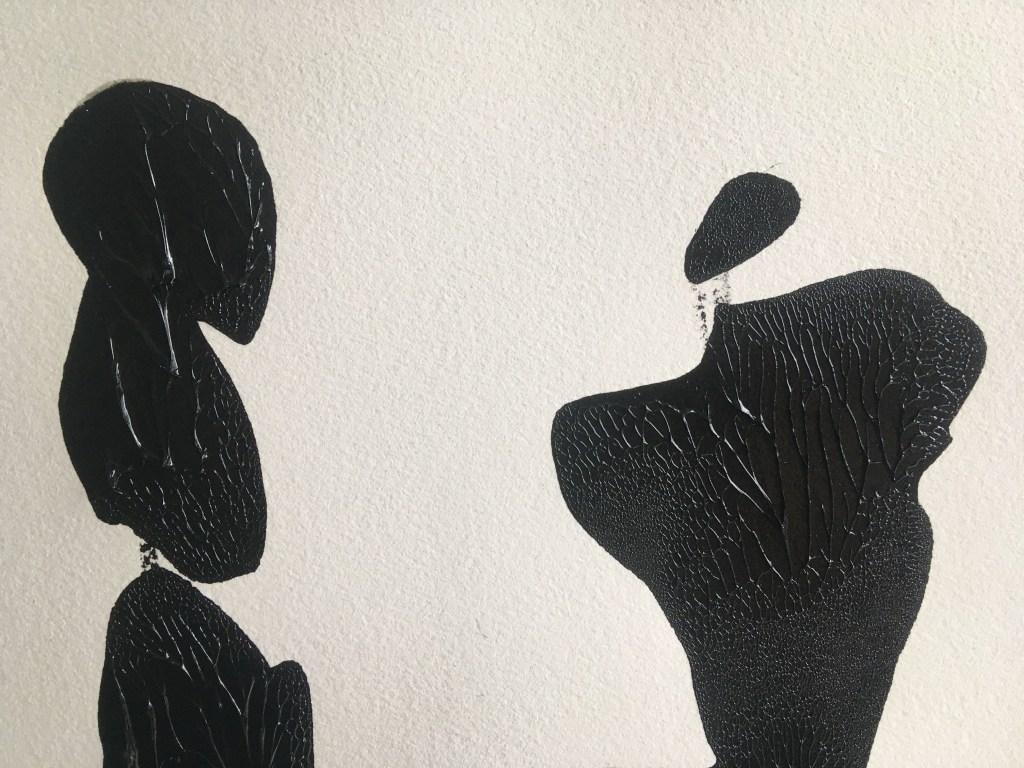
Oil paint on Arches paper to stop the oil haloing or leeching. Can be inverted.
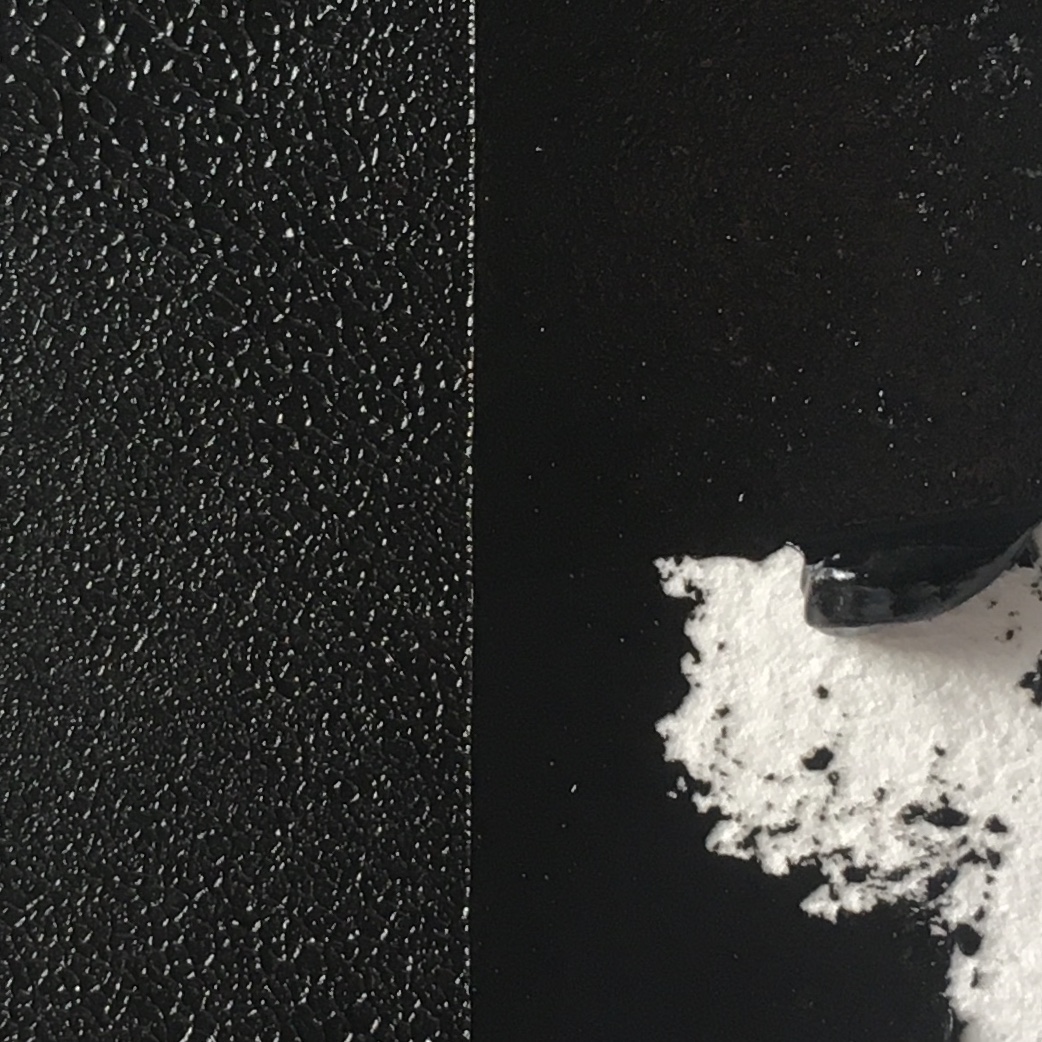
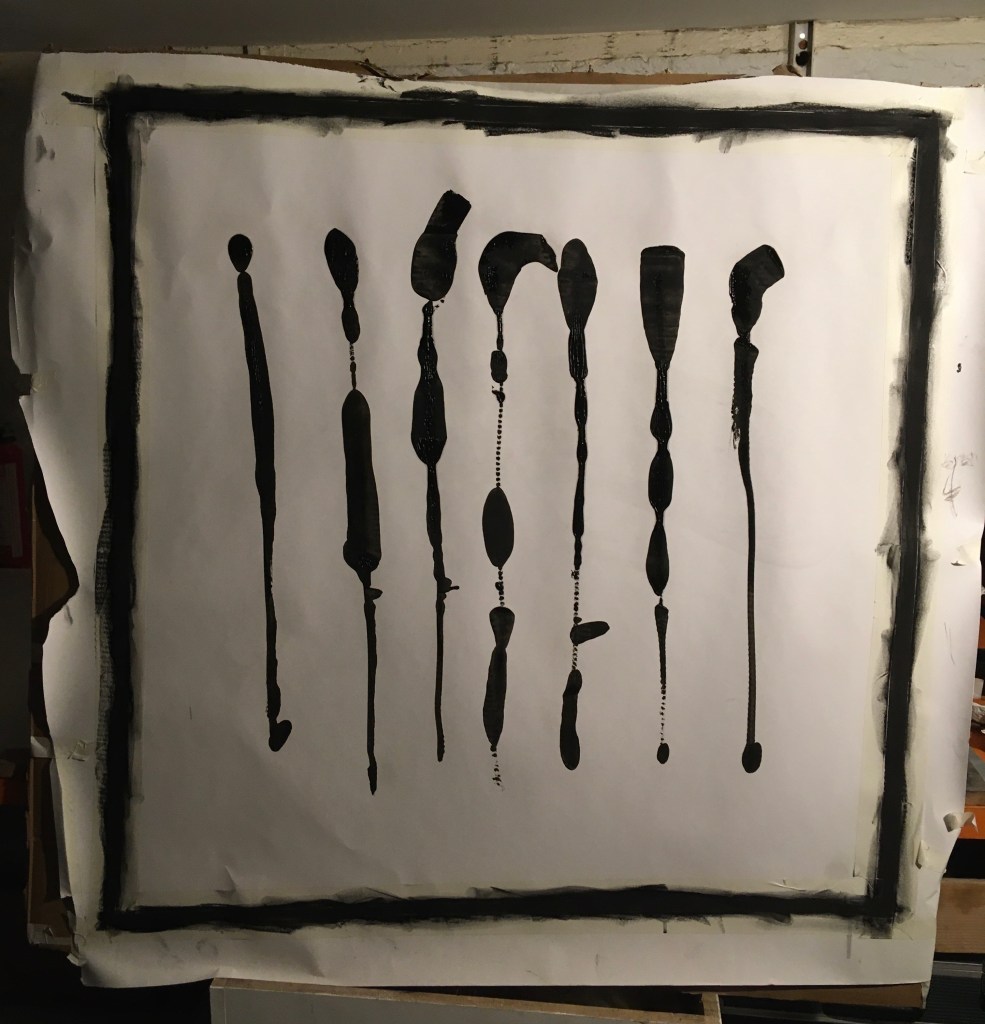
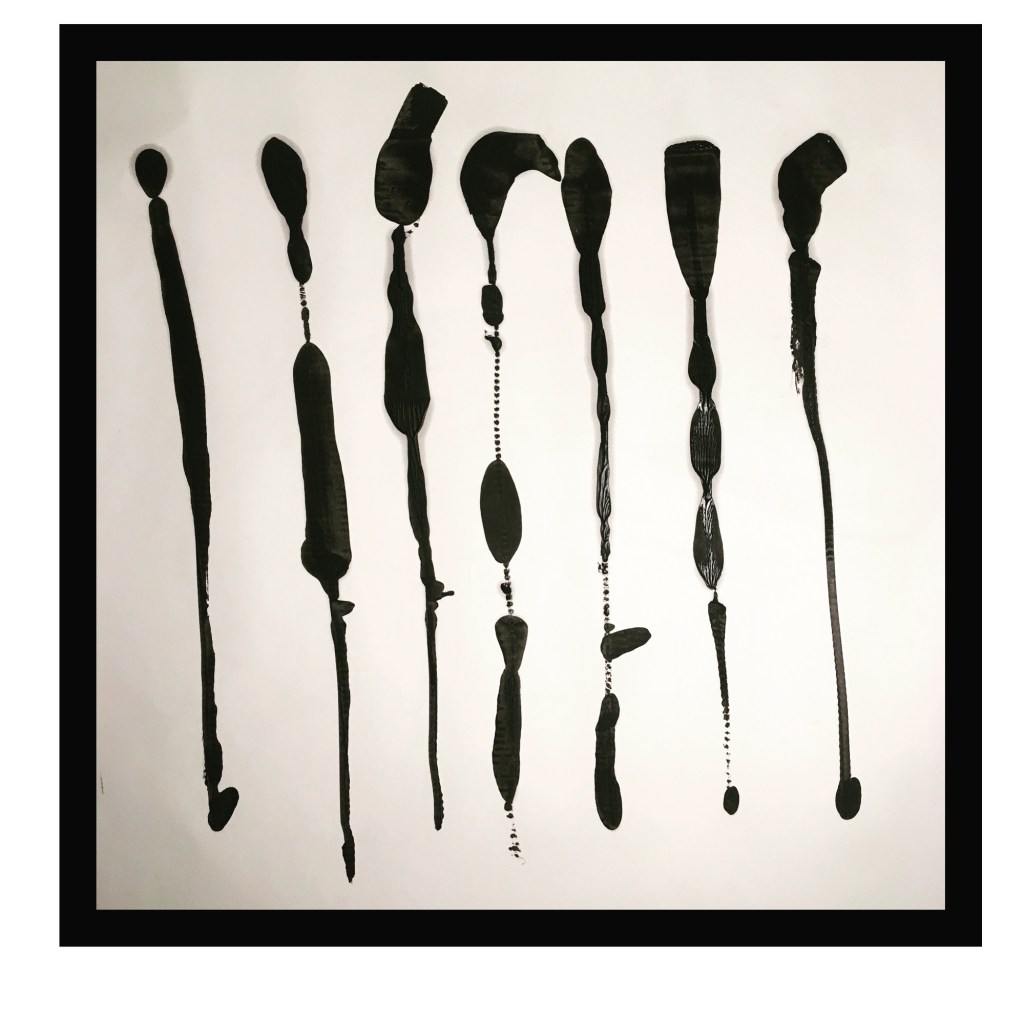
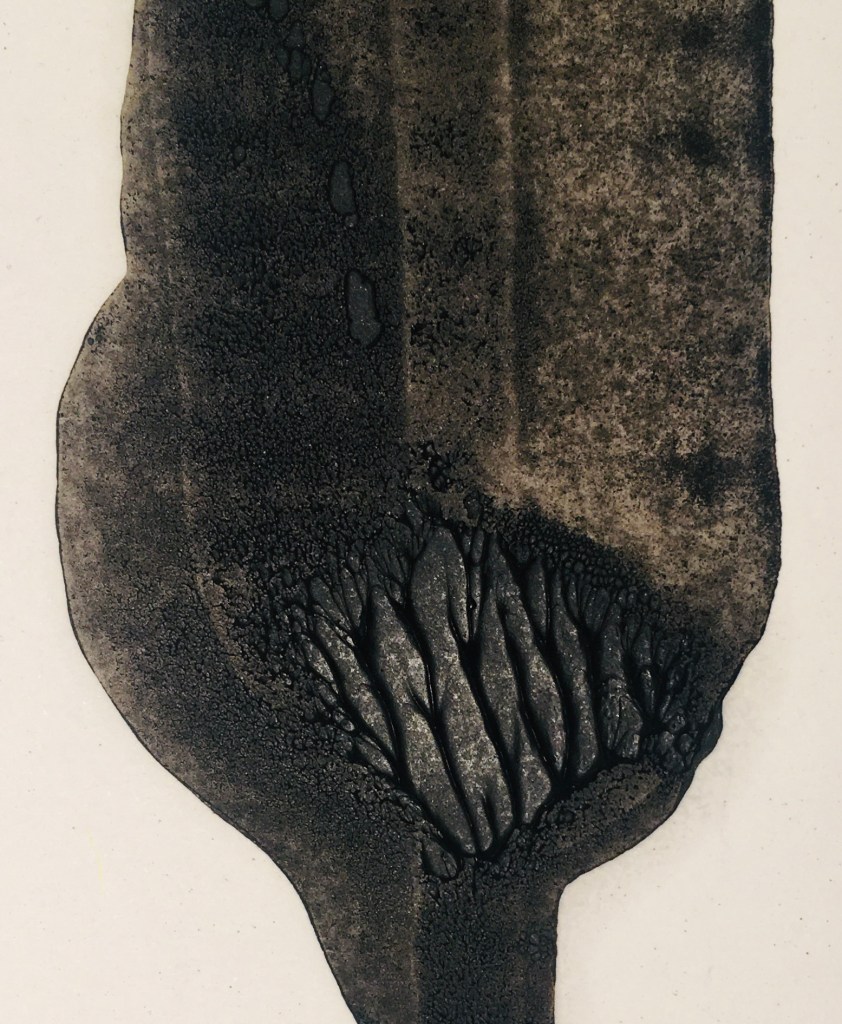


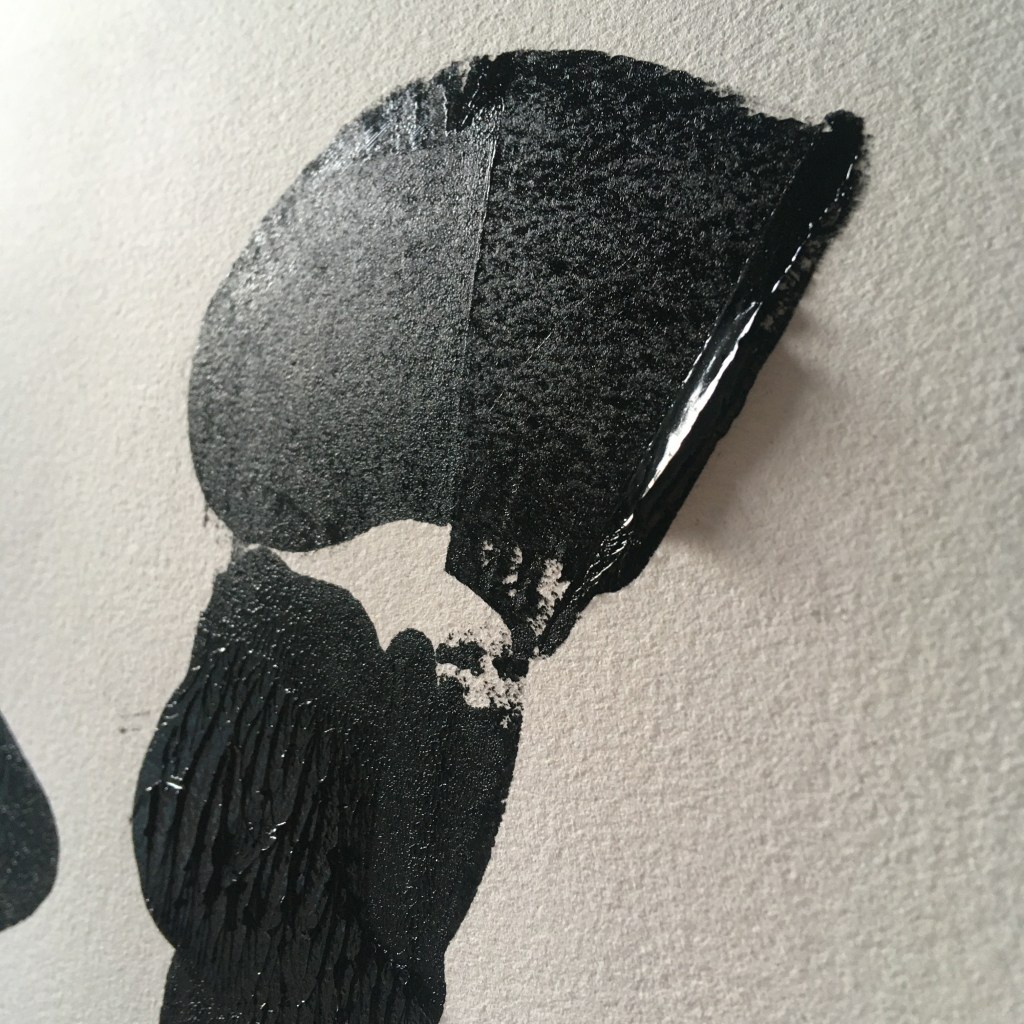
Splatting oil on from tube, squishing, scraping, peeling to reveal a line of hopping one footed creatures. I looked up monopod and sure enough they are human like creatures with one foot also known as Skiapods because, Pliny says, they like to rest using their foot as a parasol. Some of thes are clearly doing just that. Approx 140/140 cm
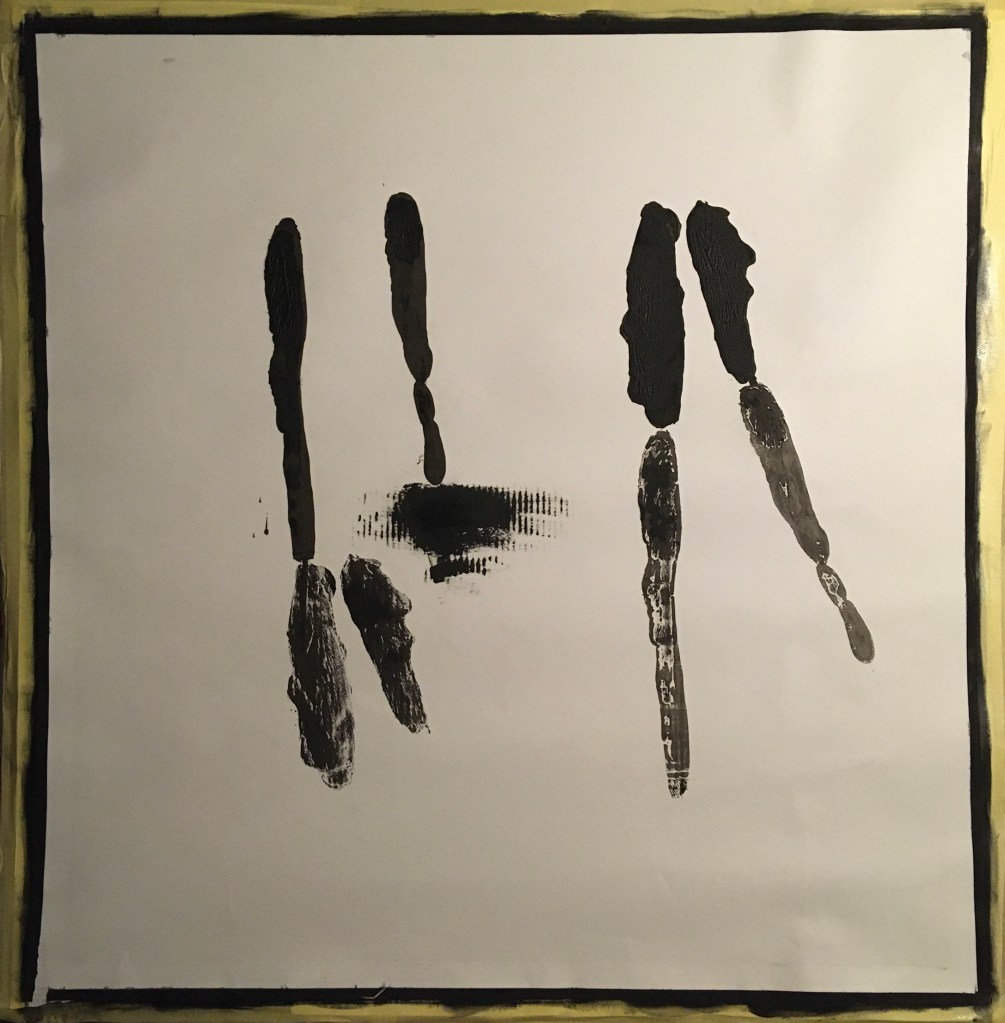
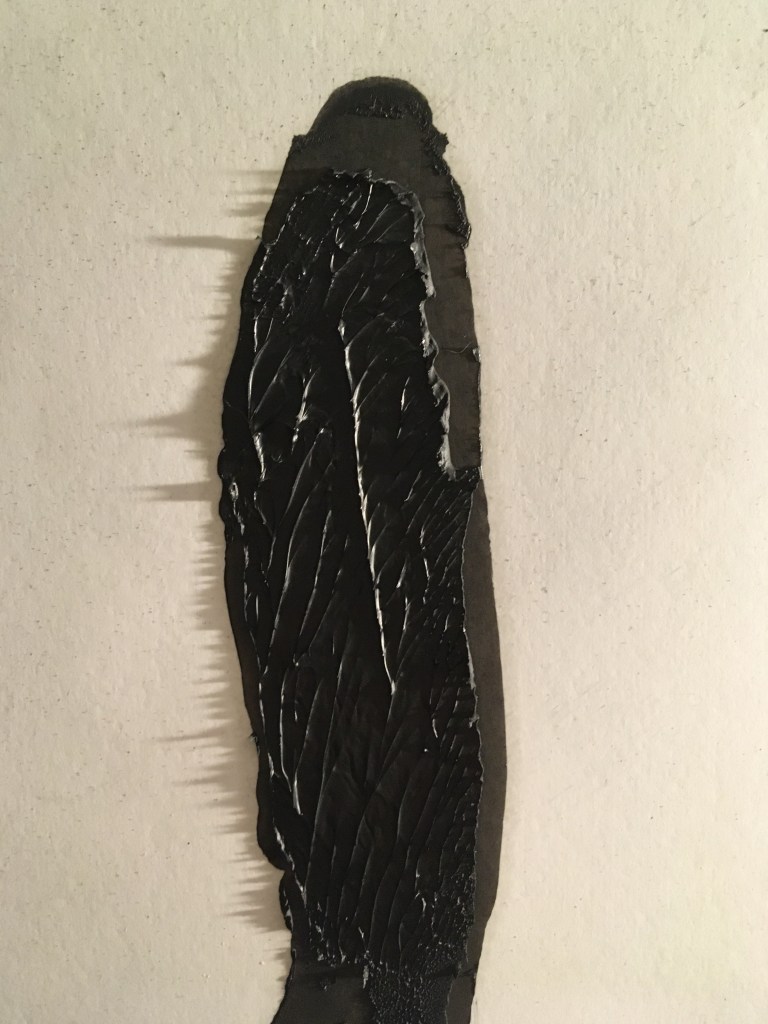
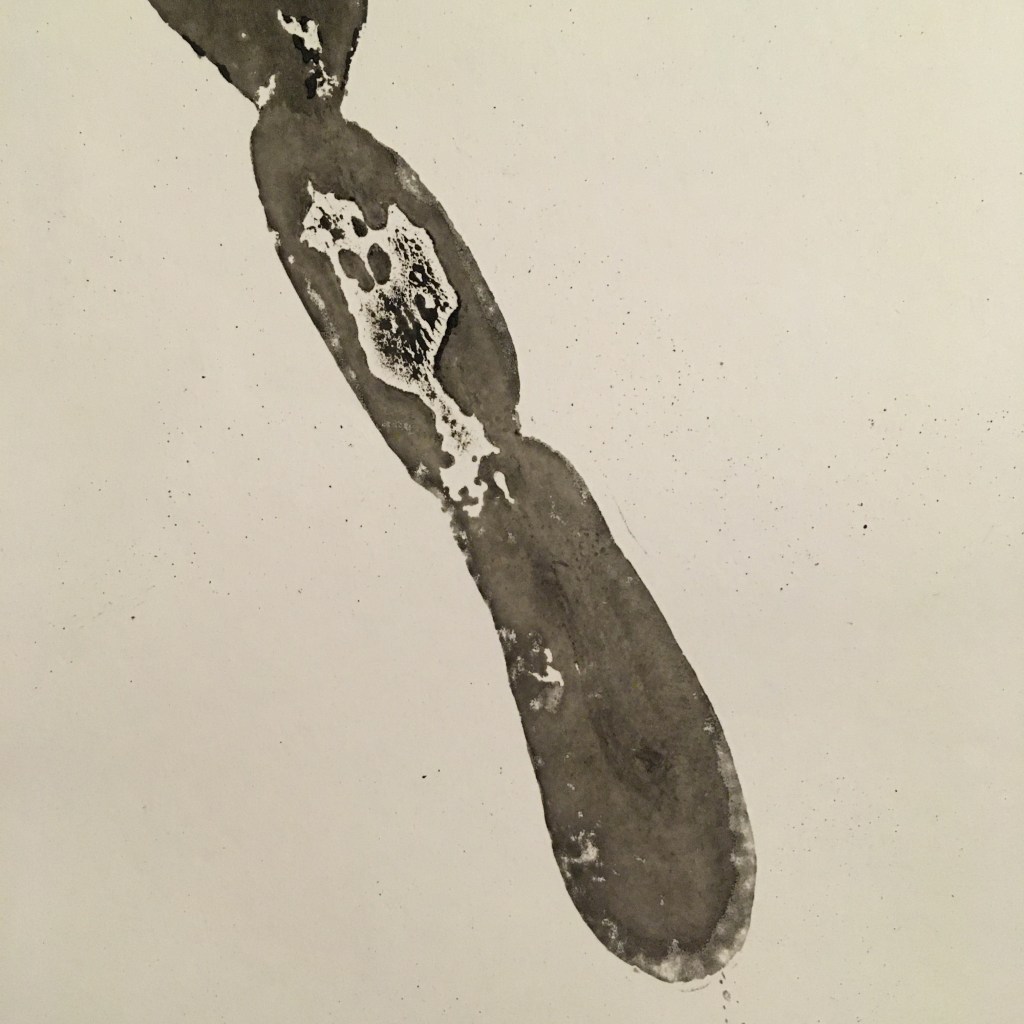
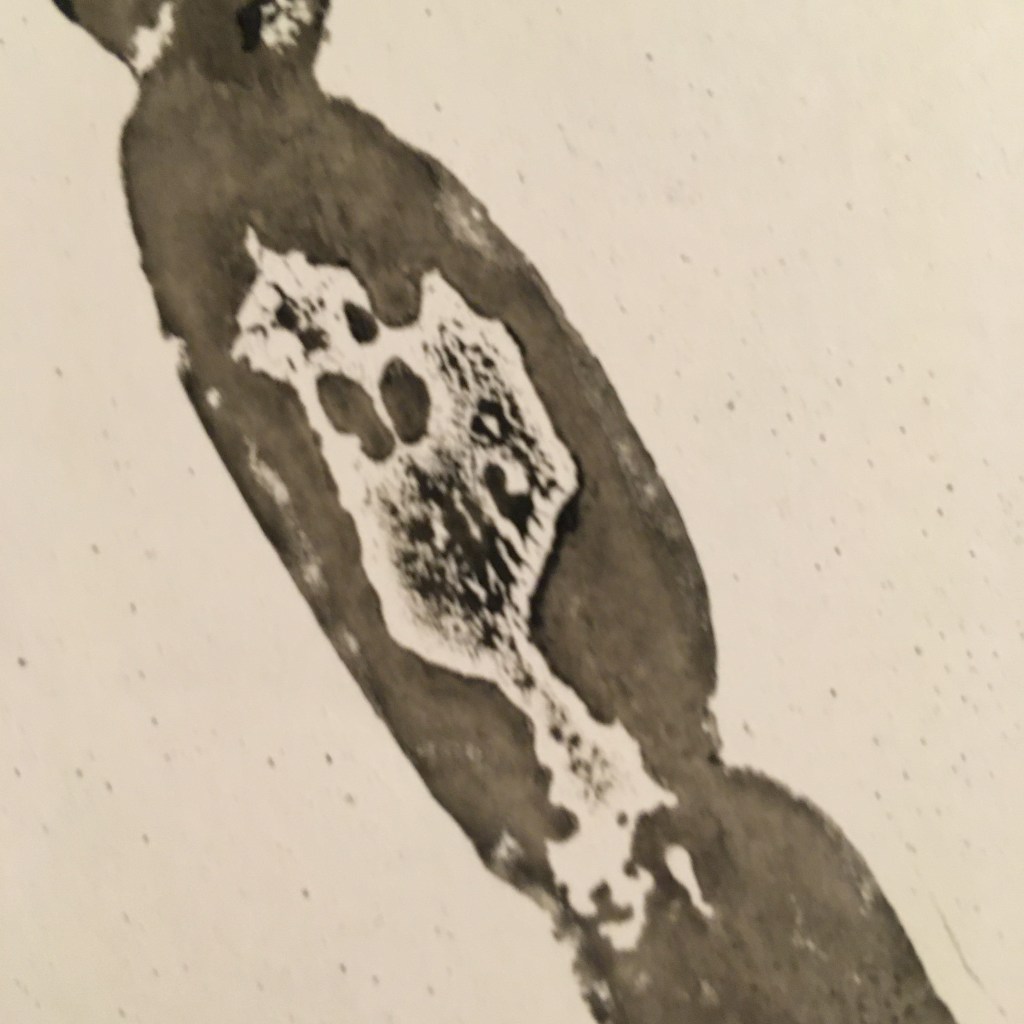
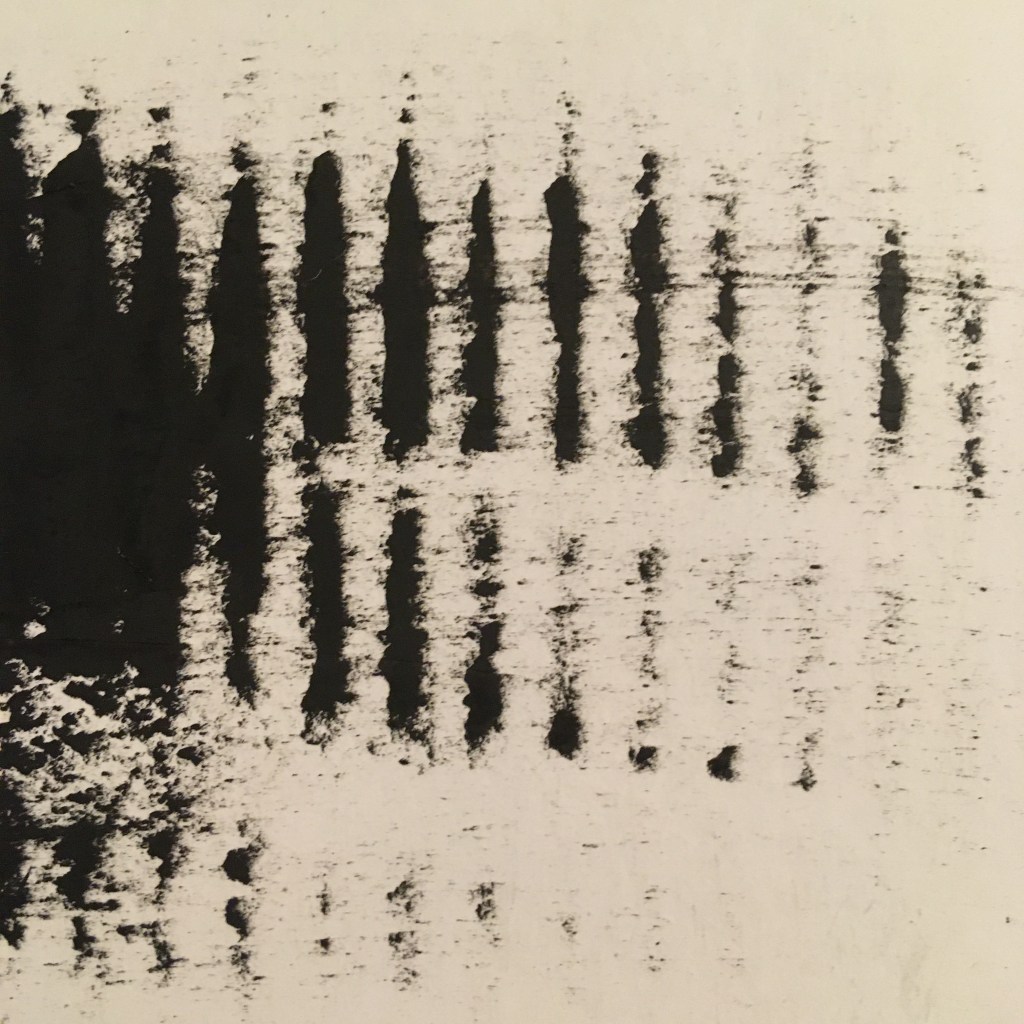
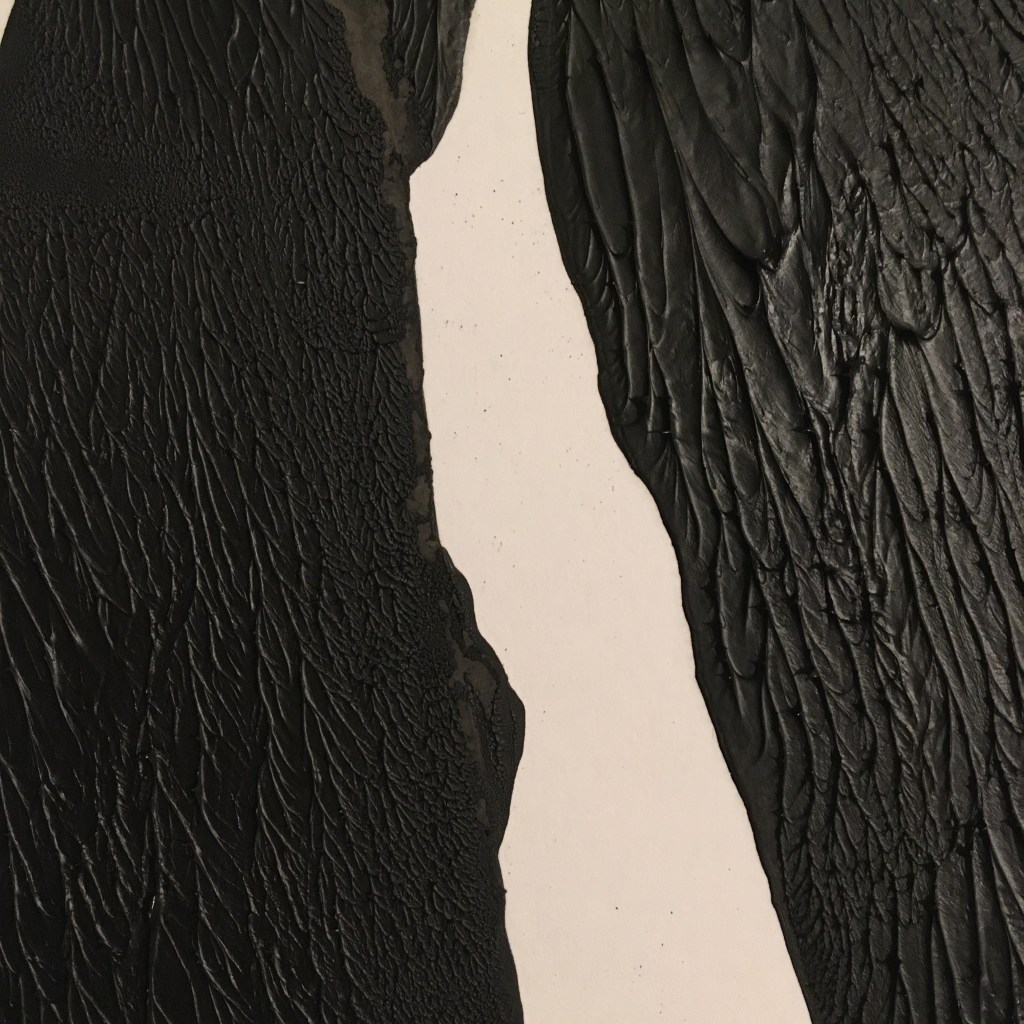
Experimenting with materials, this time paper, oil, tape. Oil later soaked into paper leaving halo so i bought a roll of oil friendly paper afterwards. My first large painting approx 140/140 cm
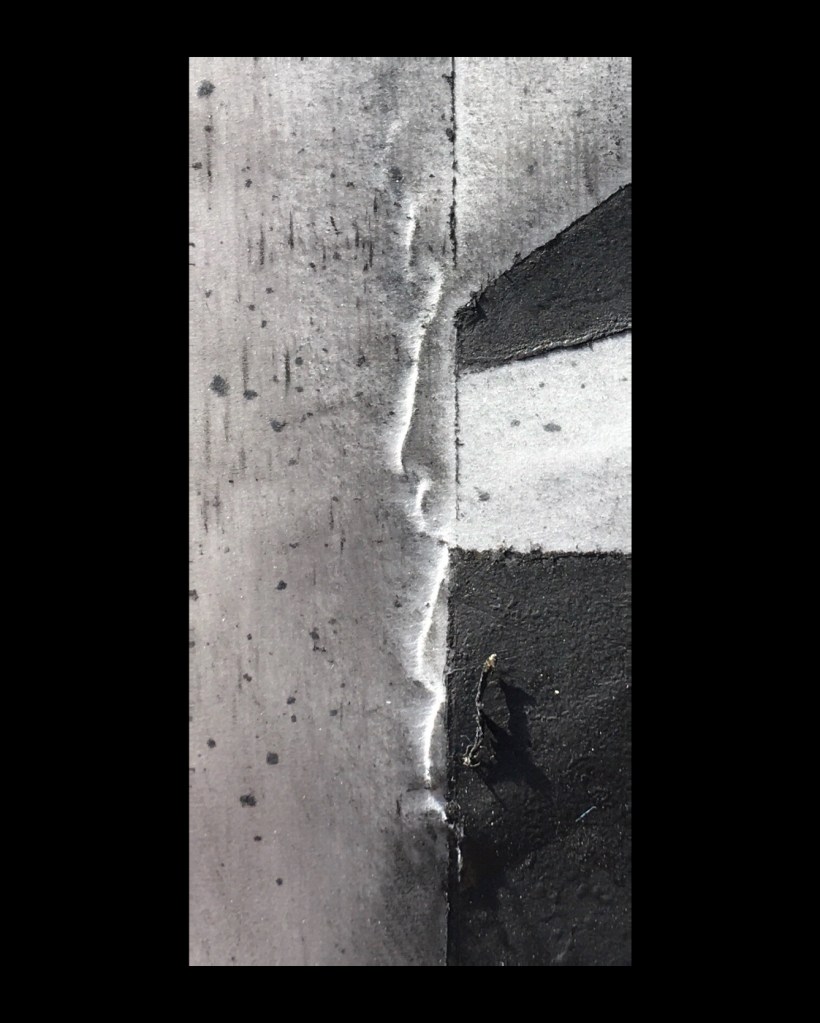
Detail of earlier work revealing interesting details
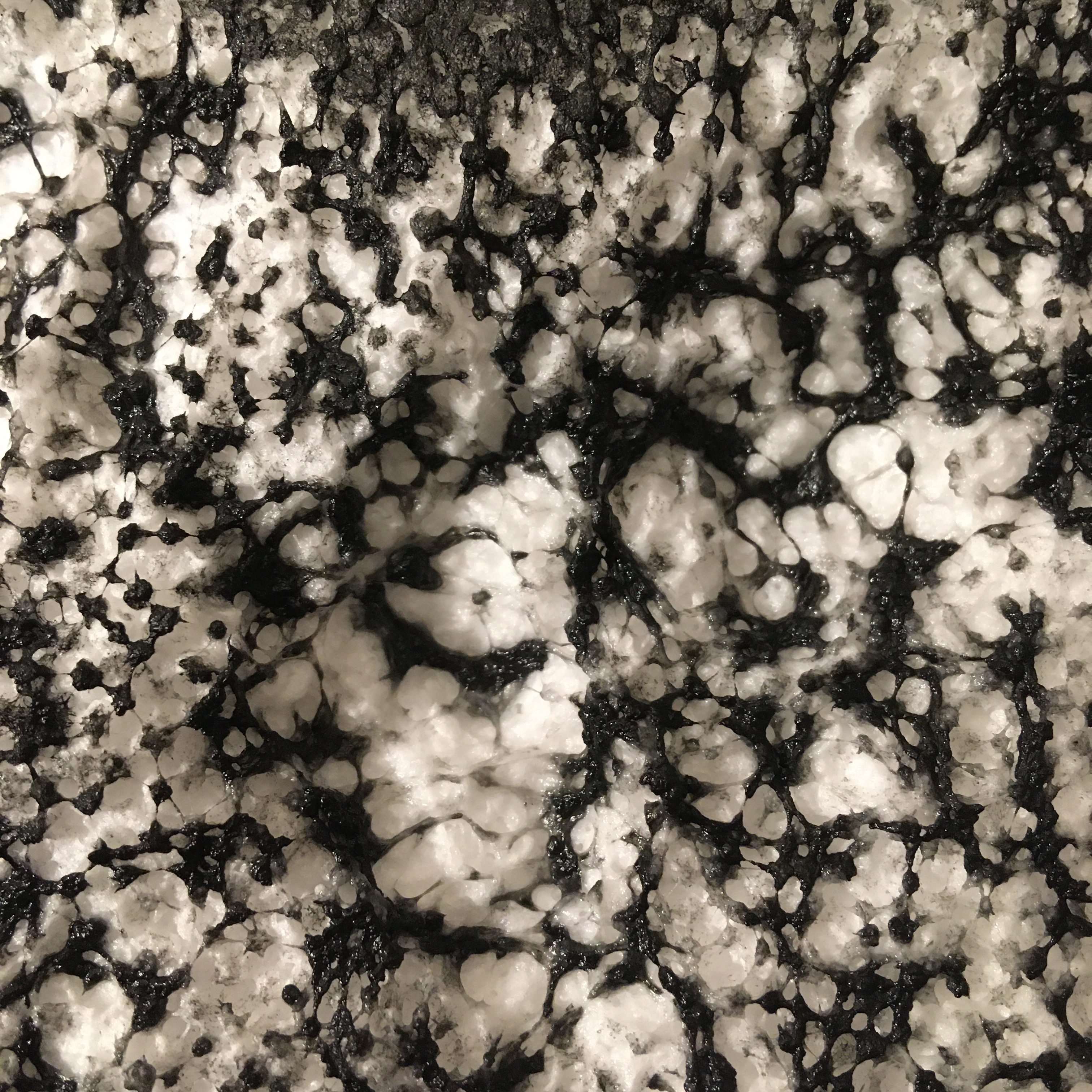
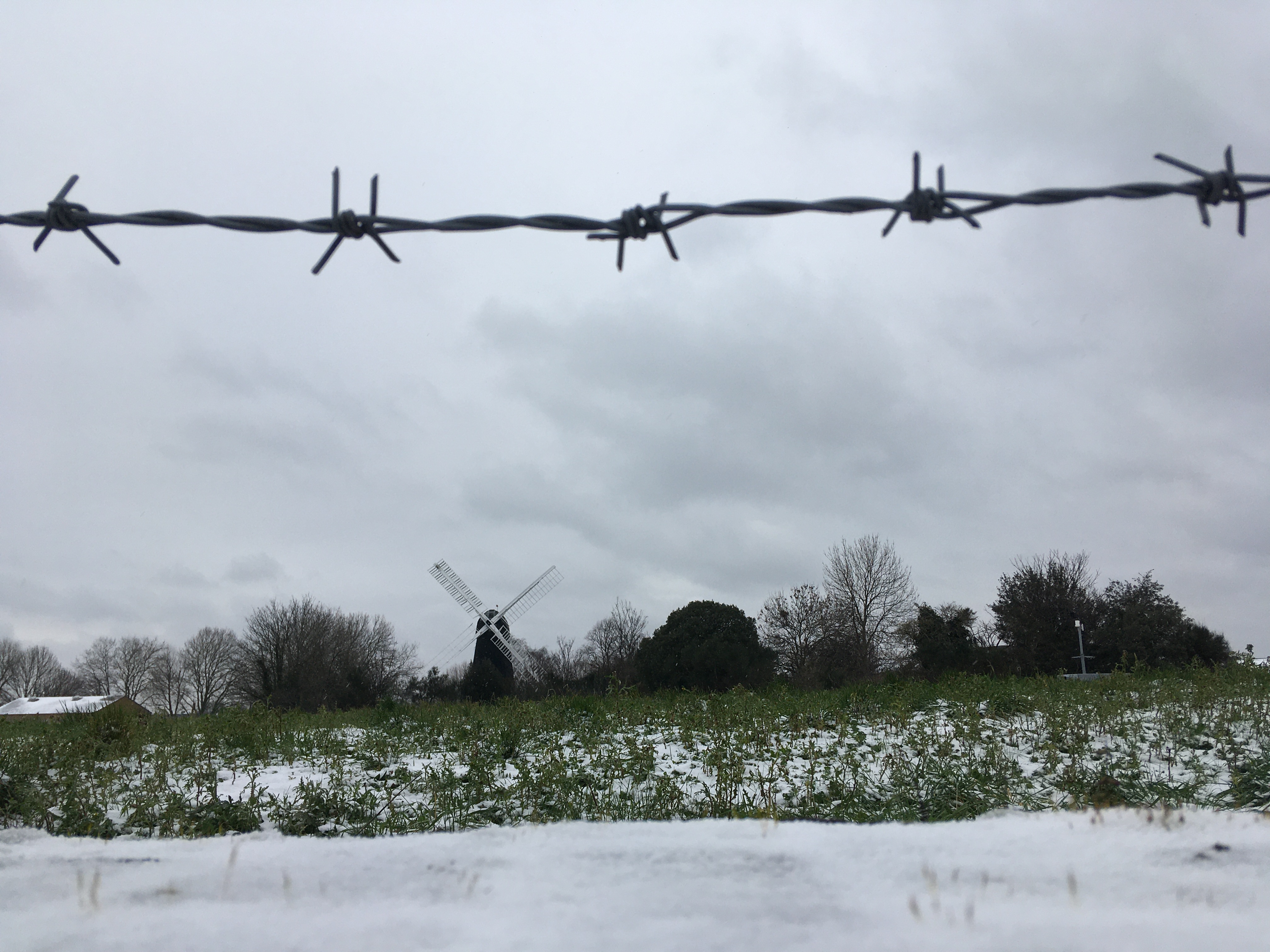
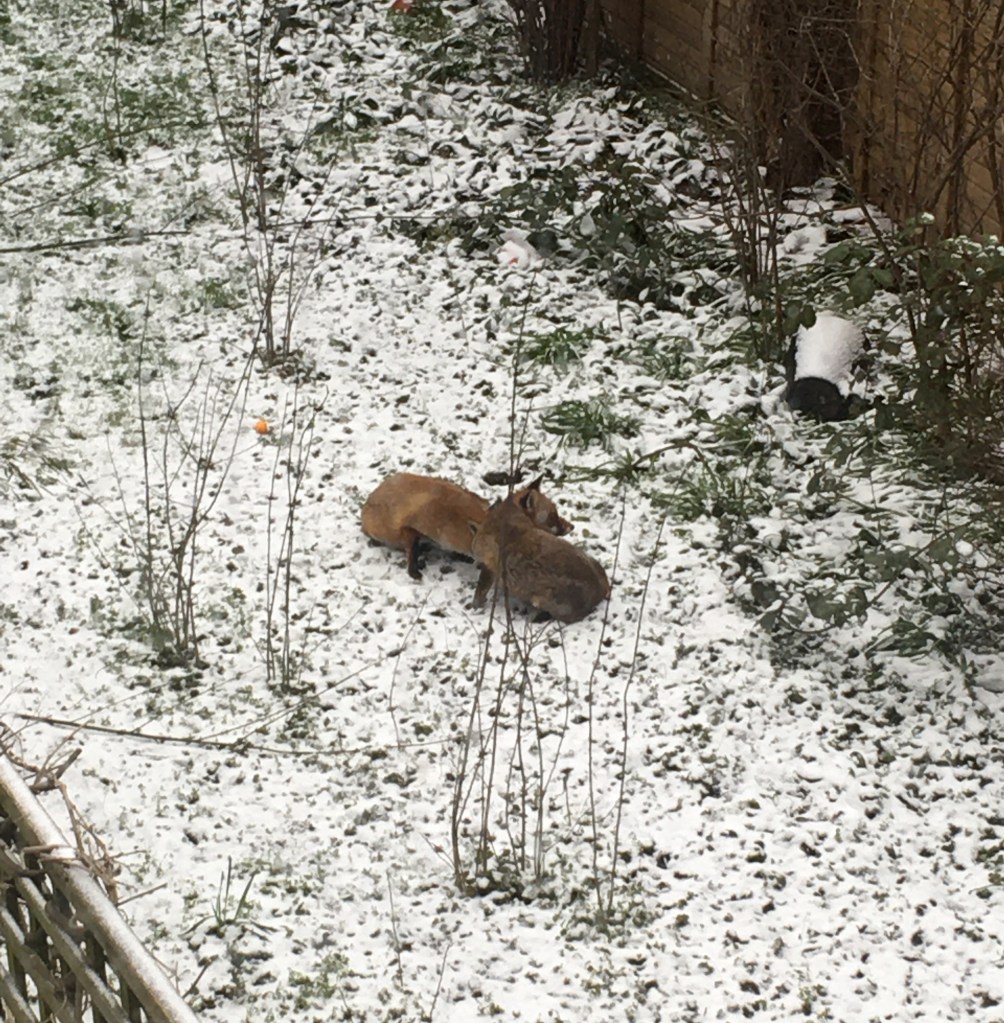

I poured white spirit onto polystyrene and covered it in carbon to see what happened. Dirty snow.
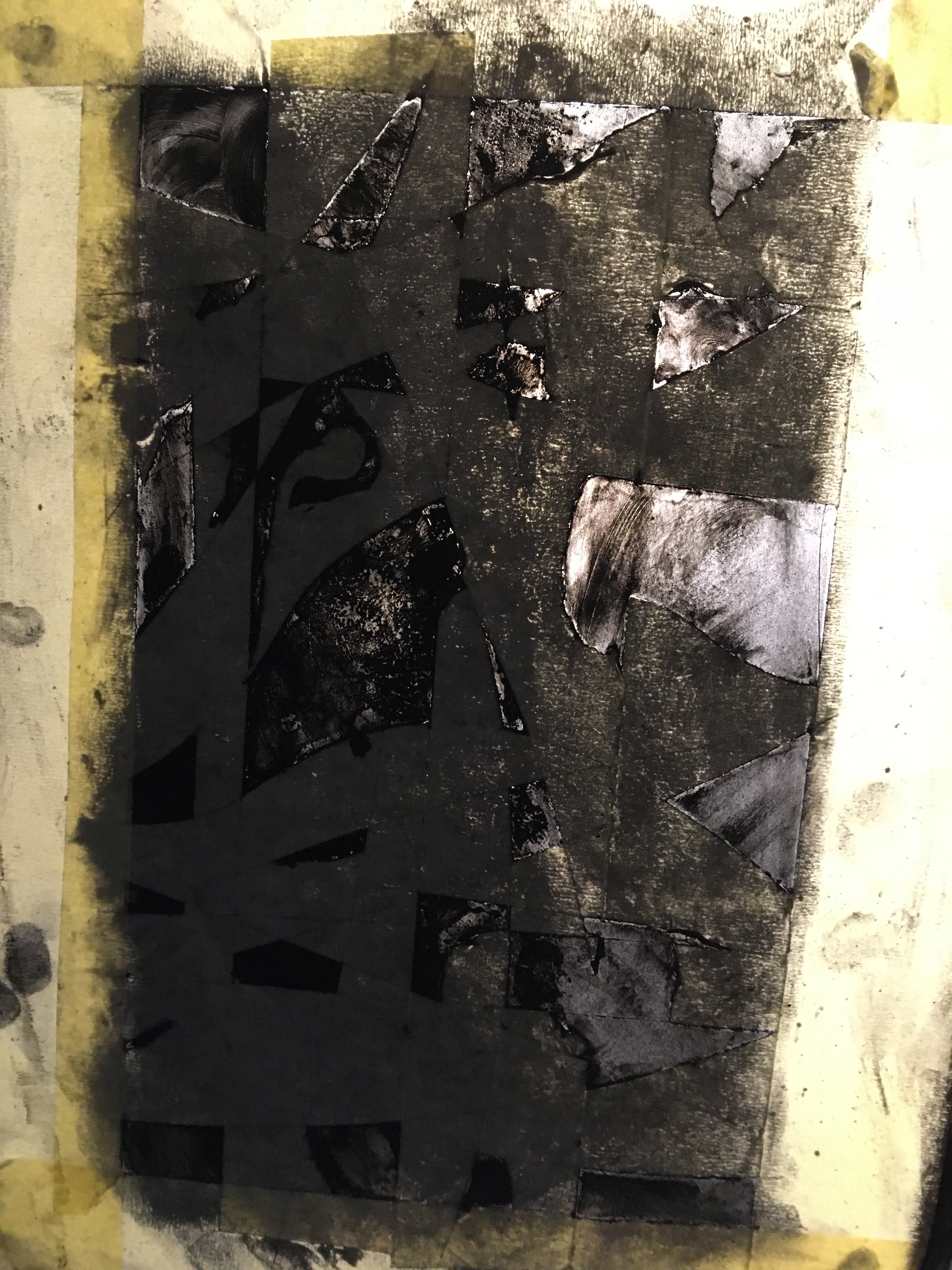
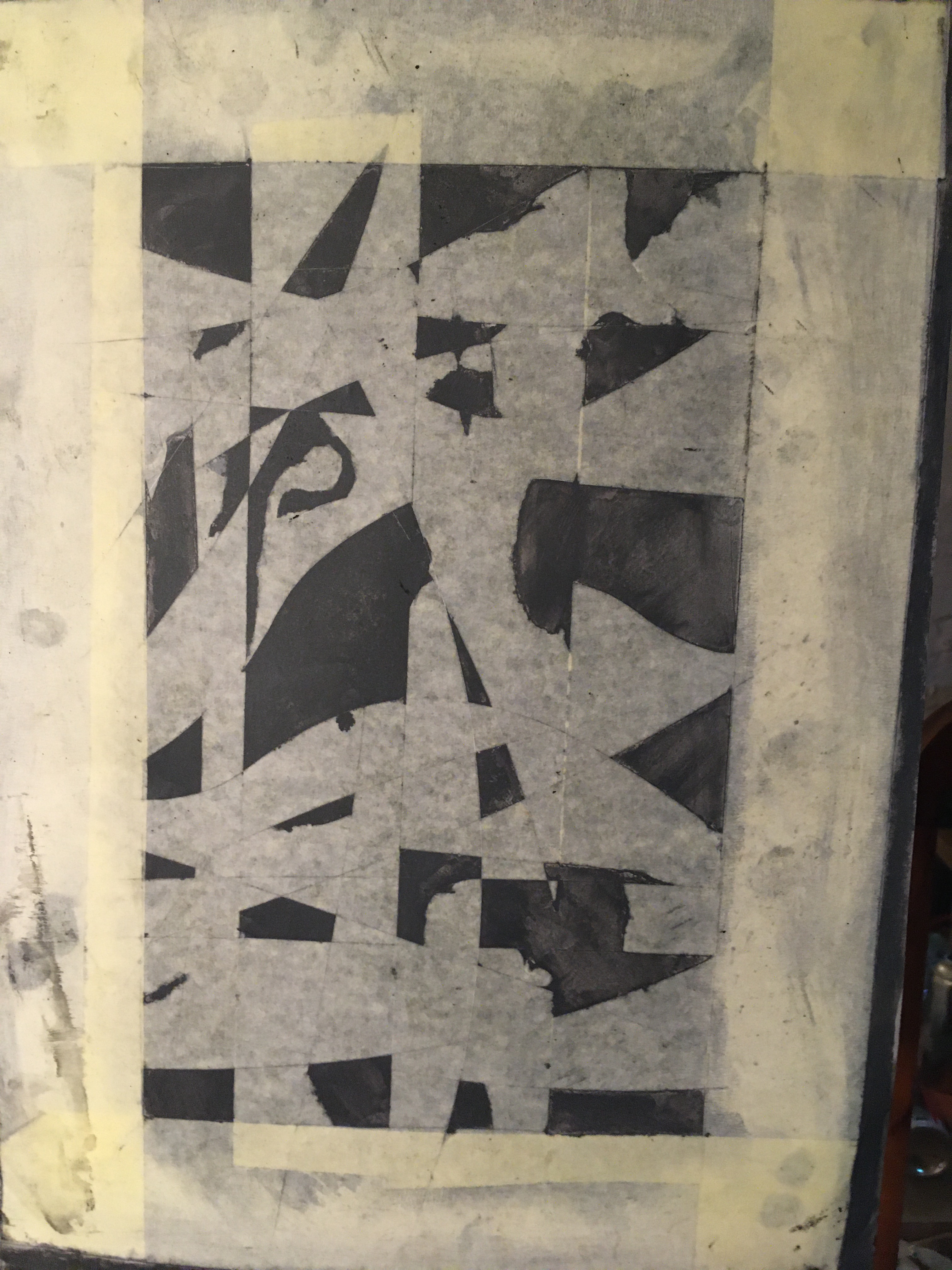
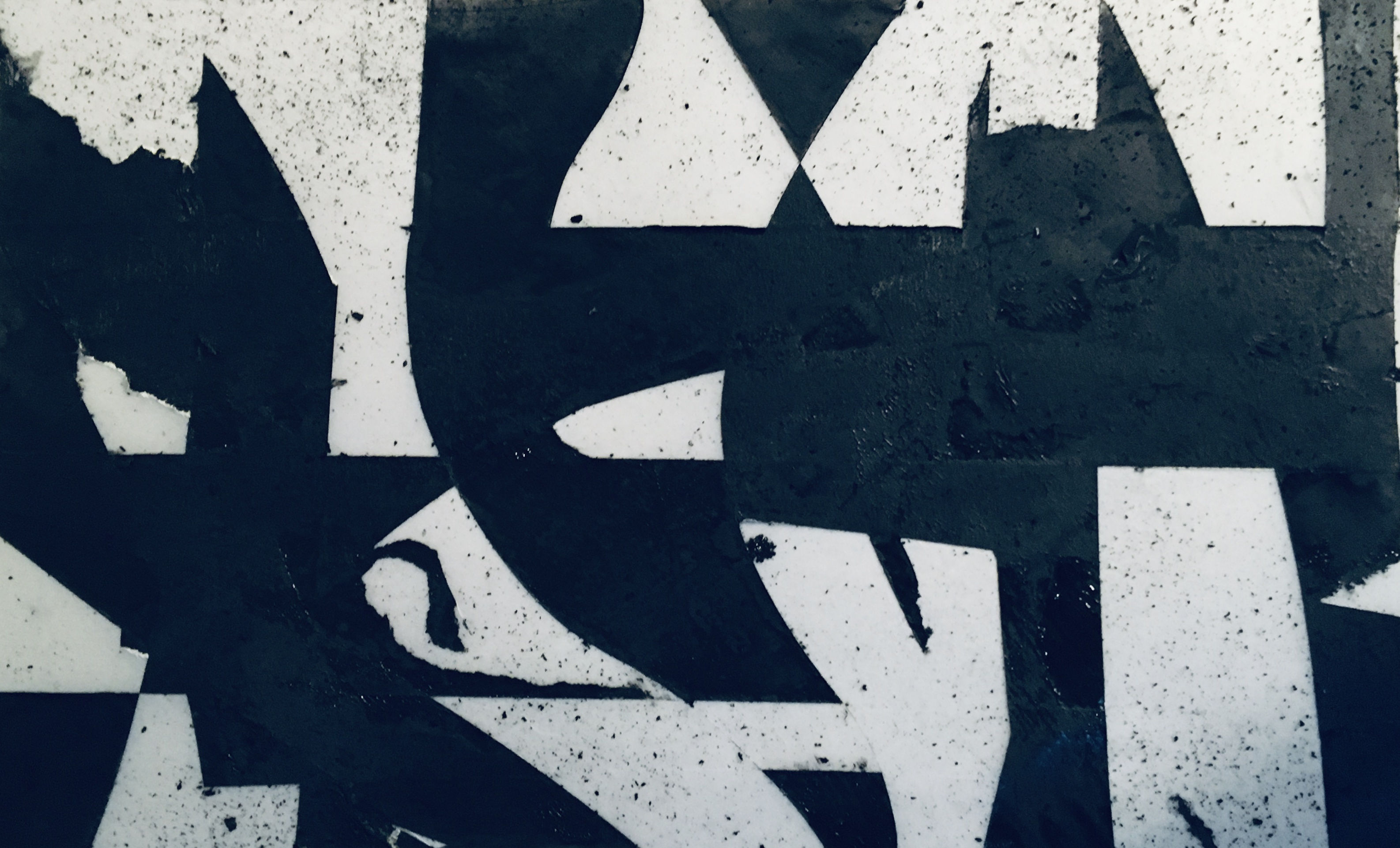
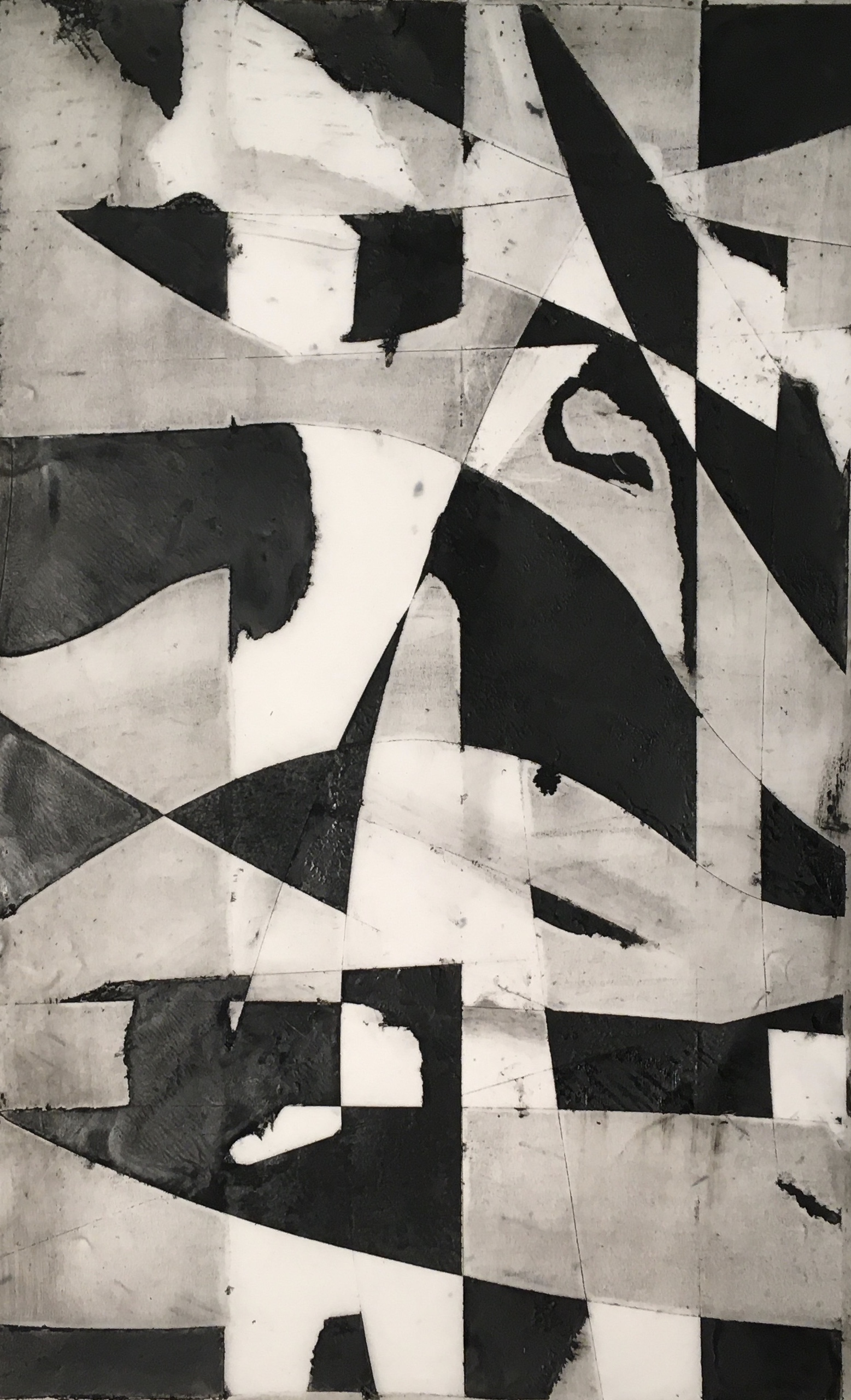
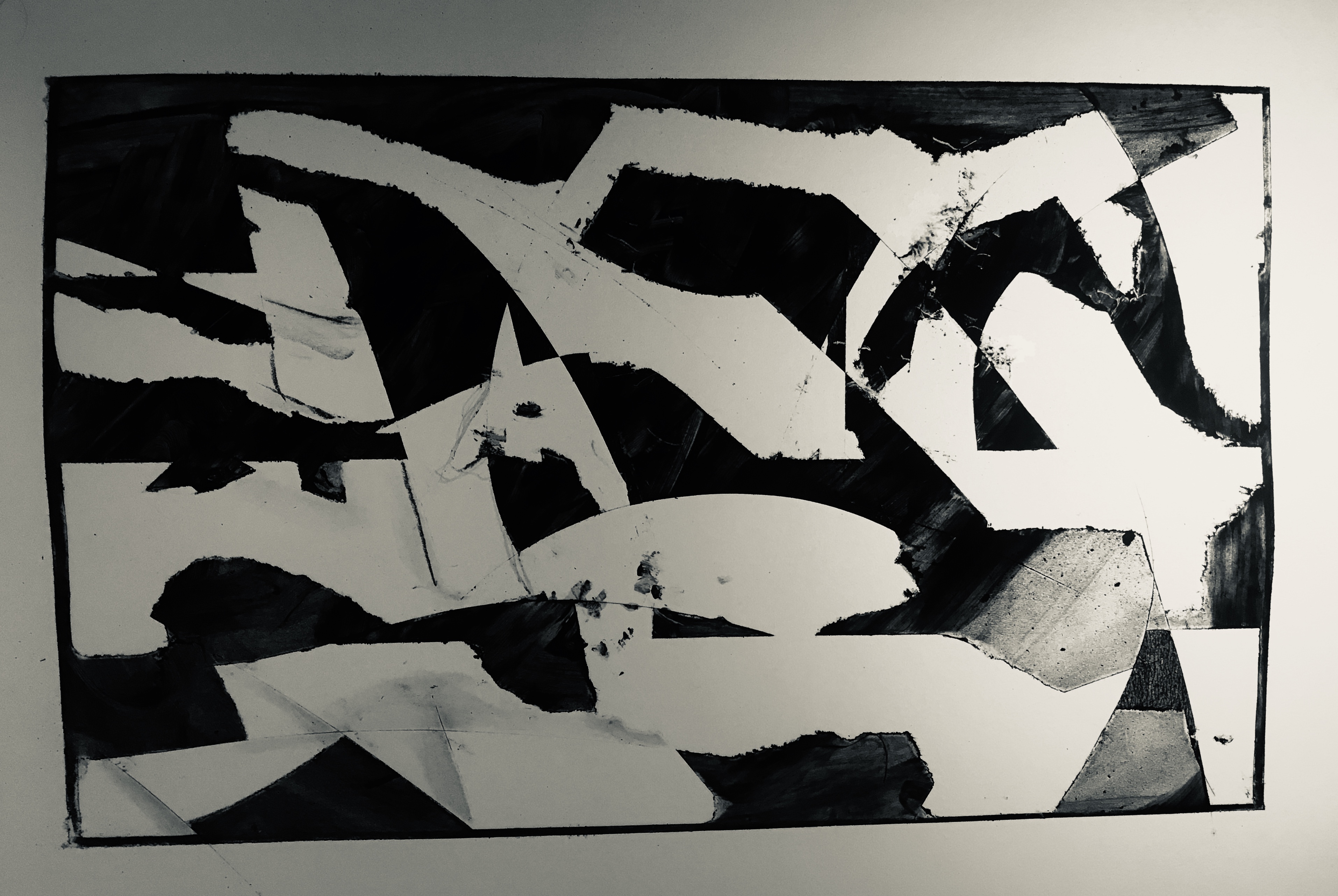
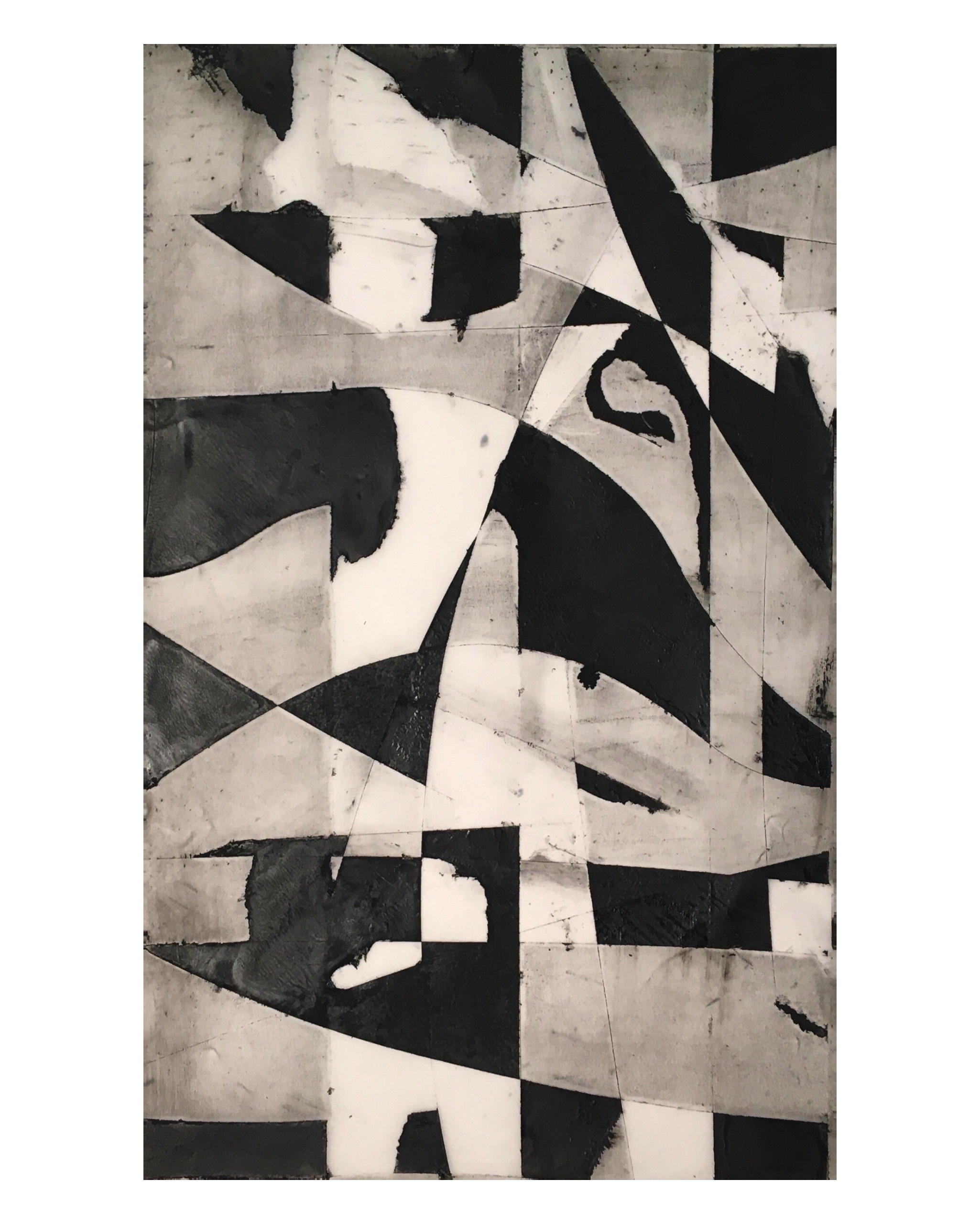
Mucking around with materials. Tearing, slicing, splodging, smearing, peeling. As a stone carver I’ve always been more excited by the removal of material than adding it. Sandblasting was the most exciting. I’d love to do some more of that. The revealing of the essential. Positive/negative space.
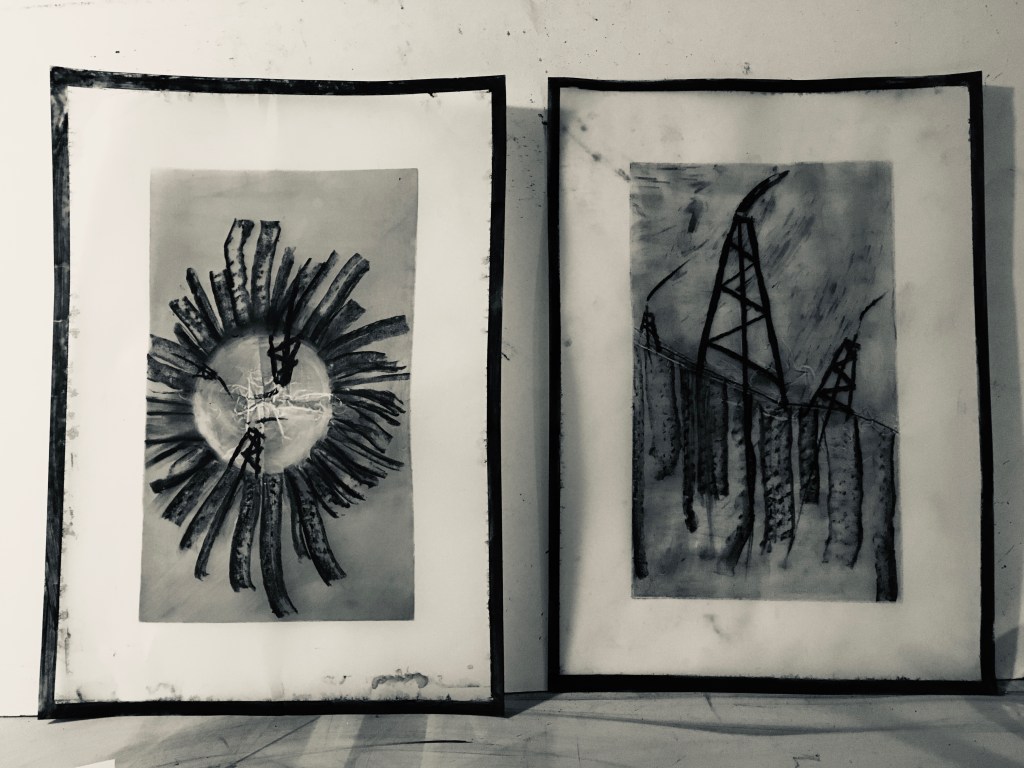
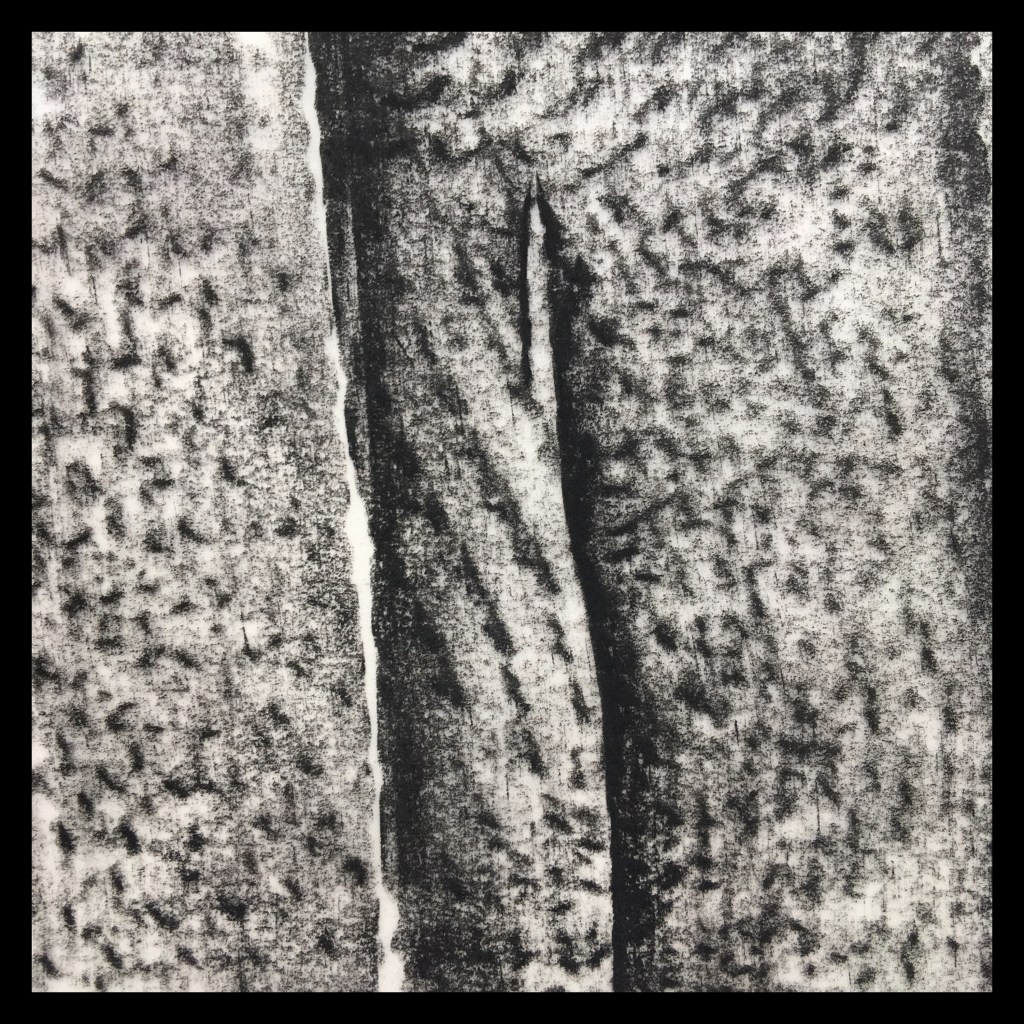
Again, not much thought went into these. That’s where the black frames come in. I make them using carbon and fixative spray then I’m confronted by the space within that I have to act upon. I screwed up the paper a bit in the middle to see how the materials would respond then started making marks that turned into oil rigs and building like structures. I think they are about how data passes between the unconscious and conscious states, about what is inside or outside, subliminal or superficial. Apocalypse is Greek for Uncovering.
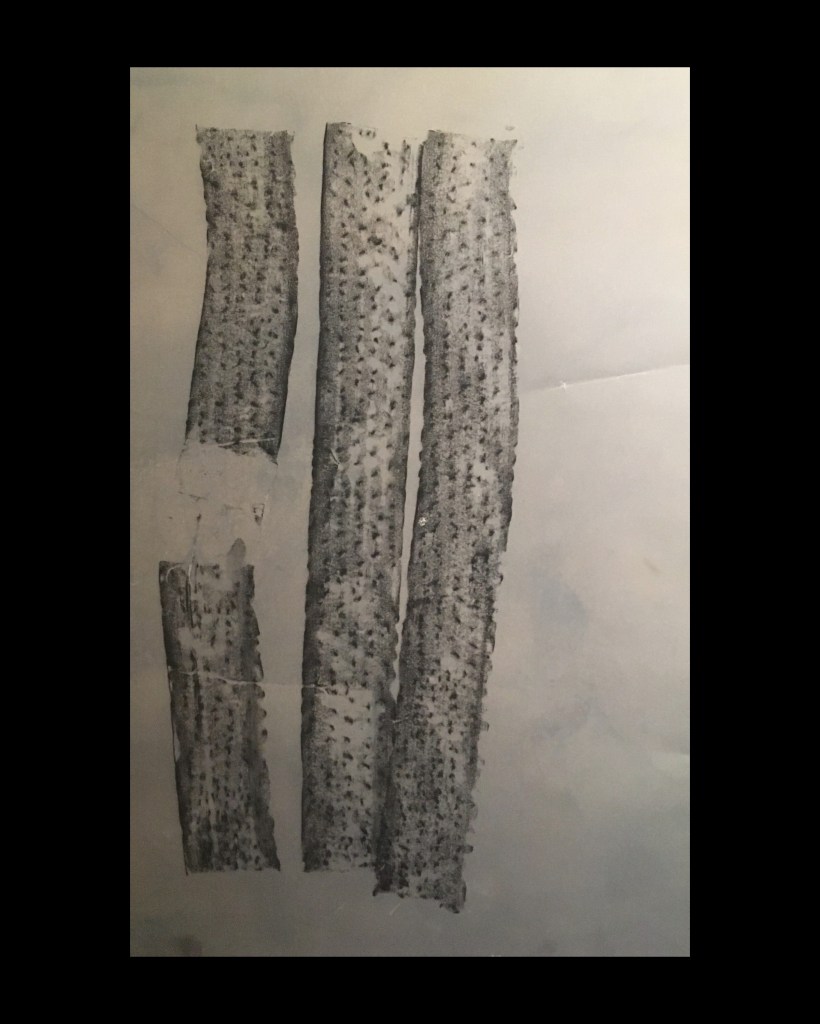
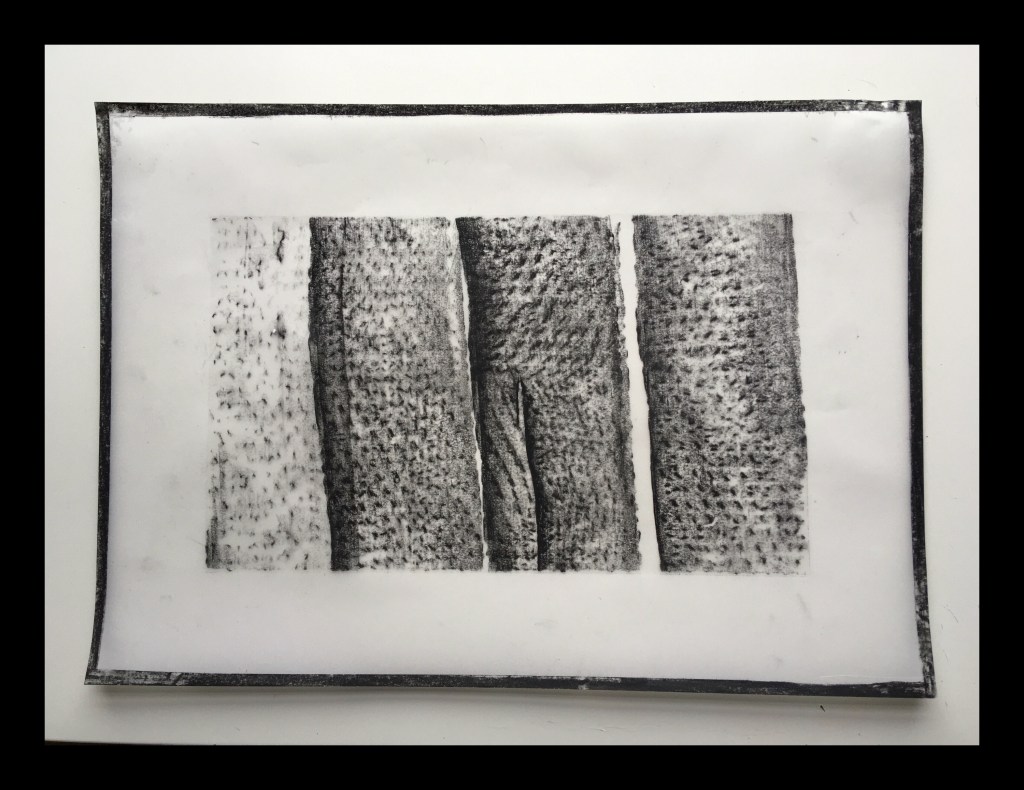
I have one compartment that makes and one that thinks. They are separate to the extent that I don’t make art to illustrate my thoughts. I don’t say ‘right, now I’m going to make something about COVID, or State violence, or death’. I’m not interested in art as metaphor, as illustration.
Ive been thinking a lot about Time. The only tools I have to do this are my senses, sight in particular, the brain and the English language.
I make a simple premise whilst looking at an object.
It could be any object but lets say its a tree. It helps if i can see the tree now, at the time of thinking.
There is a tree. The tree is there now.
Then I ask a question
Where is the tree tomorrow?
Immediately I am constrained in my thinking by the way English describes time.
I want to consider where the tree is while it is waiting for me to see it tomorrow, given that we view time as linear.
It seems to me there are two possibilities.
One, it (and all things including ourselves) comes into existence in the present, and ceases to exist simultaneously as the present passes.
Two, it always exists, along with all other objects including ourselves.
In the first case, what does that coming into existence look like?
In the second, time does not exist at least not in a linear way.
In both scenarios language doesn’t help me to get my head around the implications. It seems its a question not of when is now, when is the past, when is the future? But where is it?
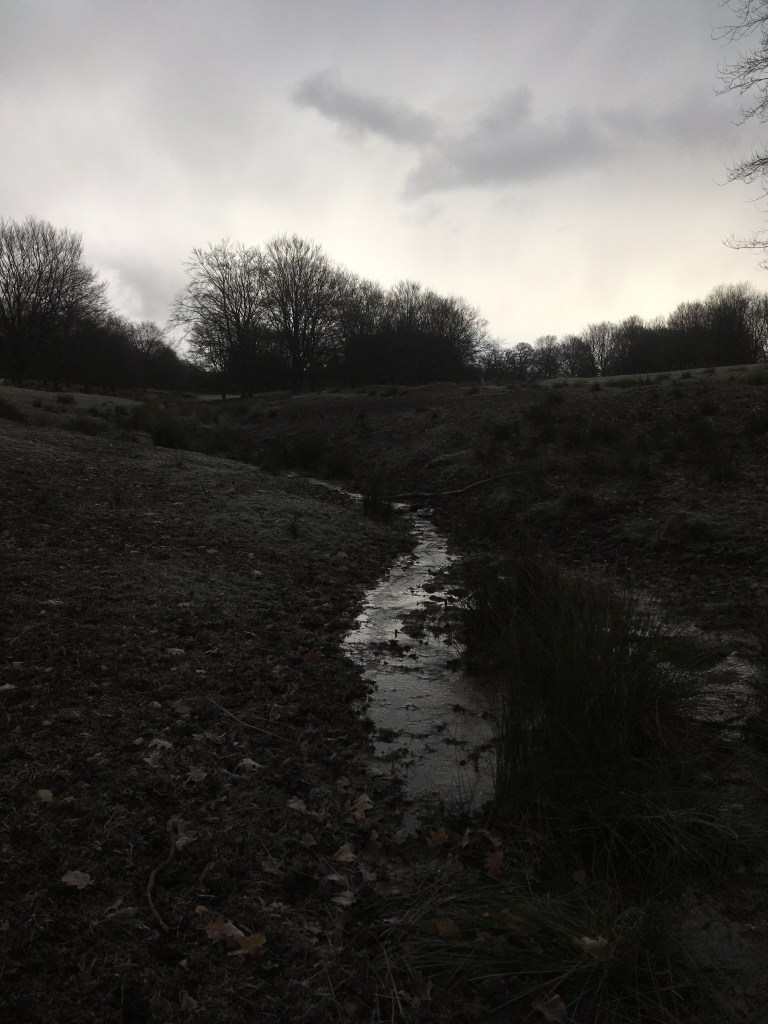
I’m writing this months after making this drawing. But I’m only getting round to updating this blog now. I made it as usual without much thought beyond what is required to act. And I look at the drawing and the photo i took at the time to see if it helps me where language does not.
Carbon and fixative on tracing paper (Jan, 2021)
What does Language do?
It works with sensory data which it divides and fractures into discrete packages (I wonder if Language actually does this directly rather than our brains doing it and then turning the data into Language).
It categorises, classifies and defines.
Defining is the act of making distinct from something else (Derrida, La Saussure) – the act of separating, fragmenting, then relating – bringing back into relationship but within categories.
It has evolved, like everything does, as a mutation that favours survival.
In this case it serves to protect us from The Everything, Reality, or the Real by fragmenting it. It protects us, or the Psyche from the Real.
The Real is overwhelming to the Ego. Therefore Language will/can not describe the Real, or Everything, only its components that can be apprehended by our senses.
So Language is not the correct tool for apprehending Everything, only its ingredients.
We are necessarily outside of Everything because of Language. Language does this in order to save us from annihilation when confronted with, or finding that we are a part of Everything and therefore we are Everything and not Something (Spinoza’s and Deleuze’s Univocal Immanence?).
On the other hand, if according to Sufism, the Apparent is a bridge to the Real, and Language describes the Apparent, is Language also a bridge to the Real? Or a path to the bridge?
In fact If we take ‘the Apparent as a bridge to the Real’ to mean that while the Real can not be apprehended directly but requires the Apparent as a mediator, a bridge (over what? the Void? The Abyss? That is, madness, or oblivion for the Ego?) then can we say the Apparent requires a bridge to the Real made of Language?
or is Language a thicket of brambles blocking our path to the bridge?
Am i in danger here of only addressing Latin/indo-european language? Are there languages, Arabic, Basque, that are able to make the sounds and shapes of the non-apparent/material?
Language is, like us, on the outside (transcendent), yearning for the inside (immanent).
Or rather, we are on the outside and language is of the outside as inside there is no language. And therefore no art. The outside is, therefore, a great place to be for an artist. The stresses created by these dynamics form the landscape which poetry describes, and on which we place our sculpture.
 JON WHITBREAD ART